
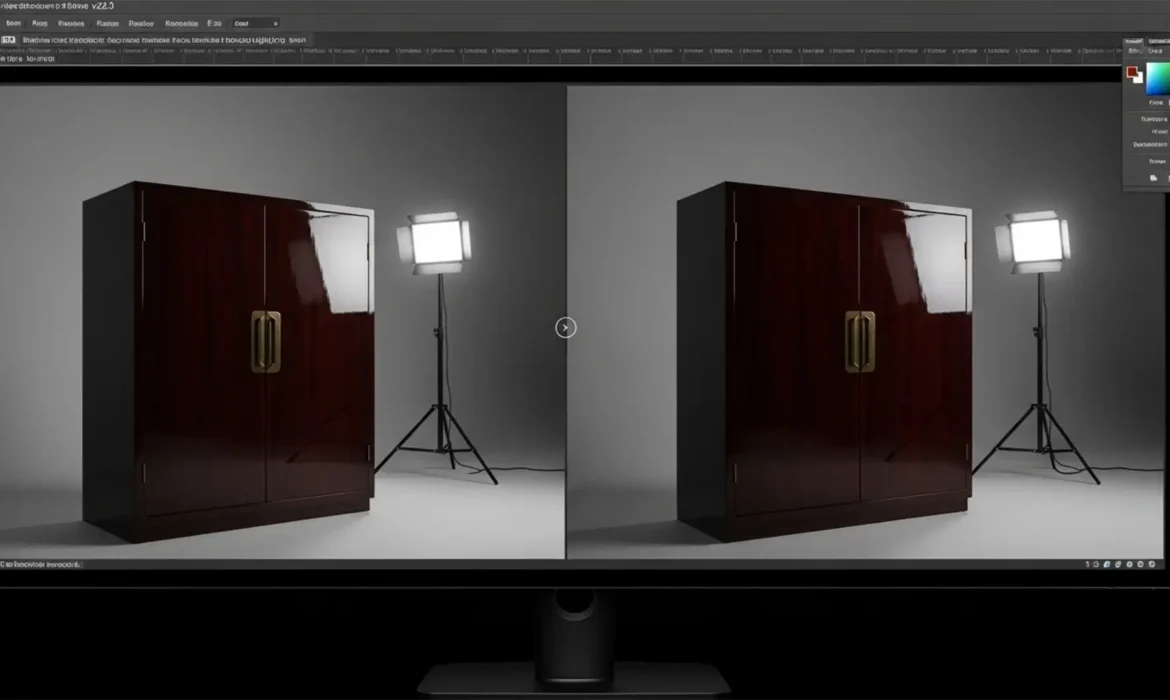
Remove Reflections from High-Gloss Furniture in Photoshop
Shooting high-gloss, lacquered furniture is a technical nightmare. These dark, polished surfaces act exactly like mirrors, capturing every light stand, softbox, and even the photographer’s silhouette. When editors attempt removing reflections from high-gloss furniture in Photoshop, the result is often a muddy, matte disaster. Simple cloning destroys the luxurious specular highlights that...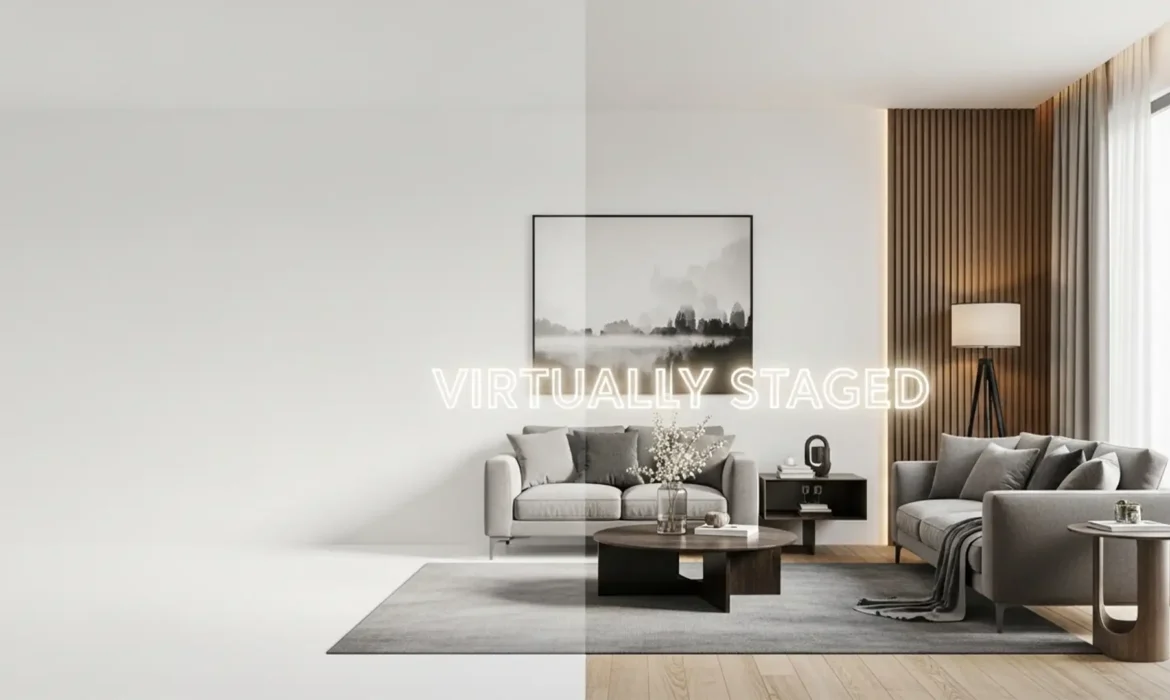
AB 723 Compliance: The Editor’s Guide to Ethical Virtual Staging in 2026
Are you terrified of waking up to massive MLS fines or legal action because of an undeclared virtually staged photo? You aren’t alone. With California’s impending AB 723 law slated for 2026, real estate photographers and editors are facing a massive shift. The law targets deceptive marketing laws by mandating clear, conspicuous disclosure on all digitally altered property photos. Failing...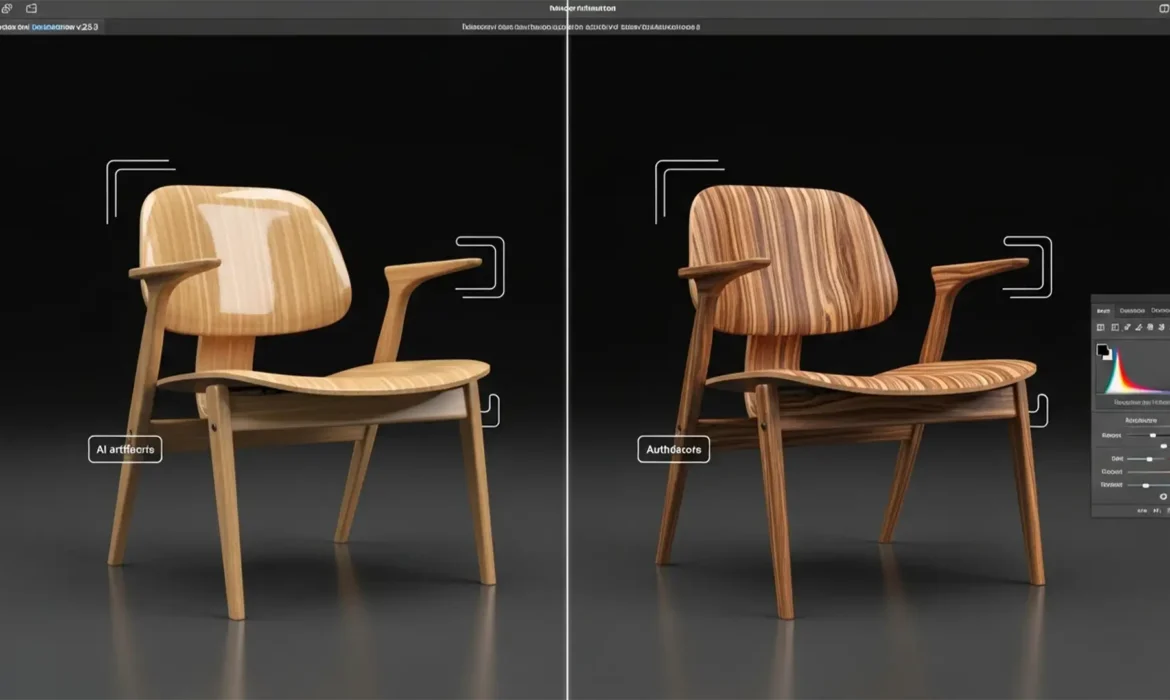
Restore Wood Grain Texture in AI Furniture Edits
You just used Photoshop Generative Fill to extend a background or fix a scratch on a beautiful mahogany dining table. The geometry is perfect, the lighting matches seamlessly, but there is a glaring problem: the wood looks like cheap plastic. In Adobe Photoshop v25.0 and later, diffusion models prioritize global lighting over micro-textures, completely obliterating the natural pores and...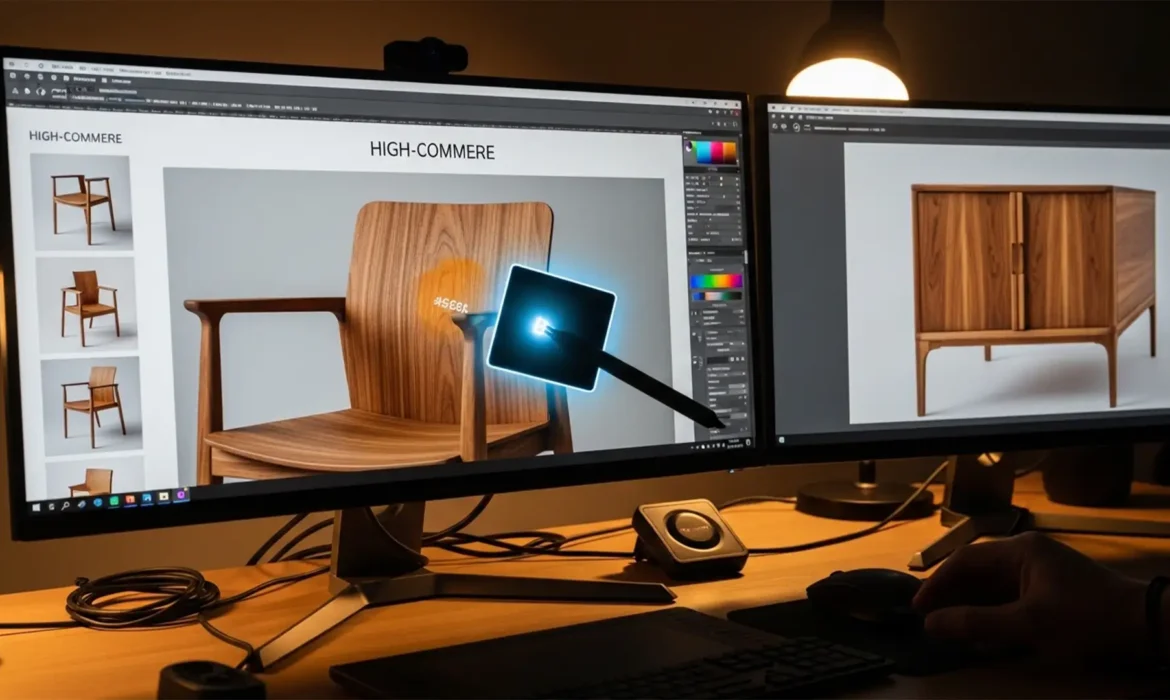
Batch Color Match Wood Tones for E-commerce
If you manage an e-commerce furniture store, you know the nightmare of inconsistent wood finishes. A customer expects the walnut dining chair to perfectly match the walnut dining table, but varying studio lighting, different wood batches, and multiple camera setups can wreak havoc on your imagery. Suddenly, your cohesive collection looks like a mismatched garage sale. Ensuring that reds,...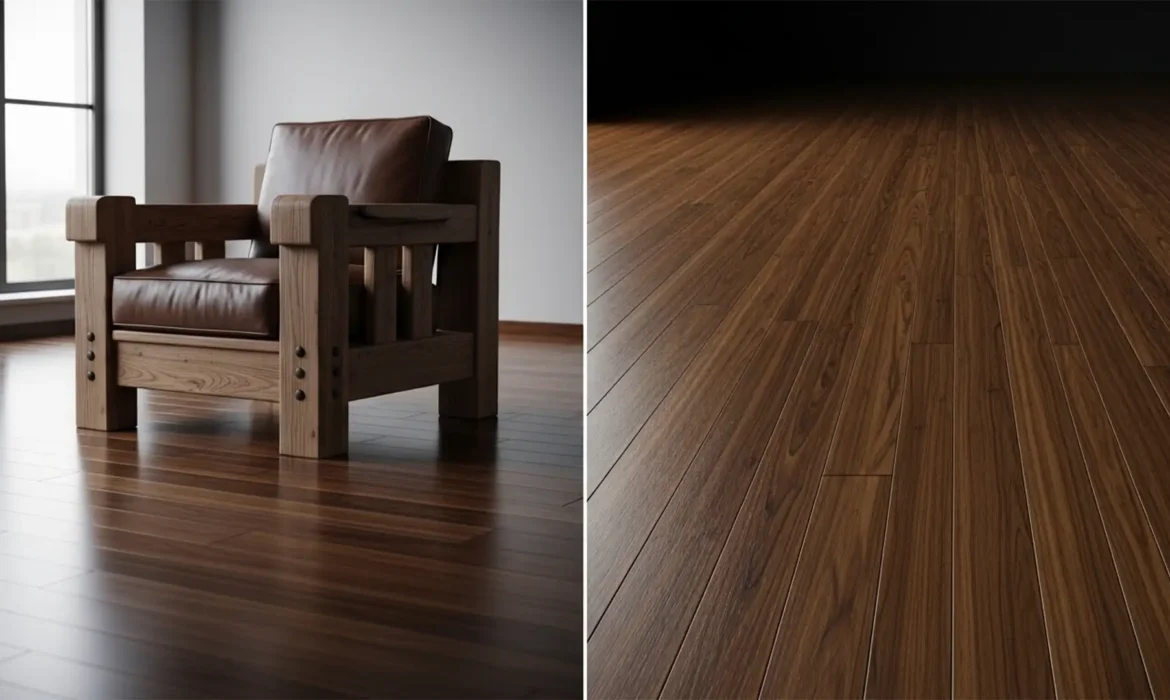
Fix Wood Floor Texture After Furniture Removal in Photoshop
Have you ever tried removing a bulky sofa from a real estate photo, only to be left with a smudged, blurry mess on the hardwood floor? It is a massive headache for interior photographers and retouchers. Standard Content-Aware Fill often fails here, lacking the depth awareness to match the shrinking scale of floorboards. Even advanced AI can hallucinate incorrect directions when dealing with...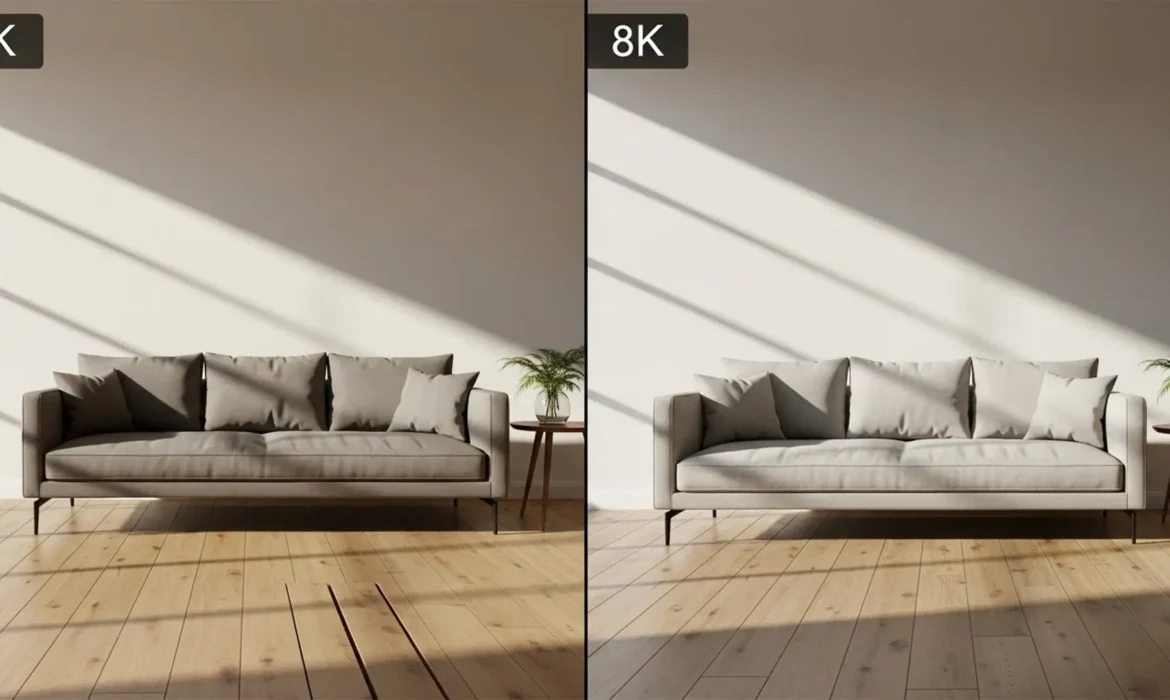
No More Floating Sofas: 3-Layer Realistic Contact Shadows
You’ve just placed a stunning piece of 3D or AI-generated furniture into a virtual staging project. The perspective is perfect, the lighting matches the room, but something is glaringly wrong: the piece looks like it’s hovering an inch off the floor. This “floating sofa” effect is the ultimate giveaway of amateur virtual staging. Standard drop shadows fail completely...
AB 723 Survival Guide: How to Legally Edit and Label Furniture Staging
Are you putting your real estate business at risk every time you upload a listing? With the introduction of California Assembly Bill 723, the rules around digital image manipulation have drastically changed. If you are using virtual furniture staging to sell properties, failing to properly label your edits can now lead to severe legal penalties under new digital deception regulations....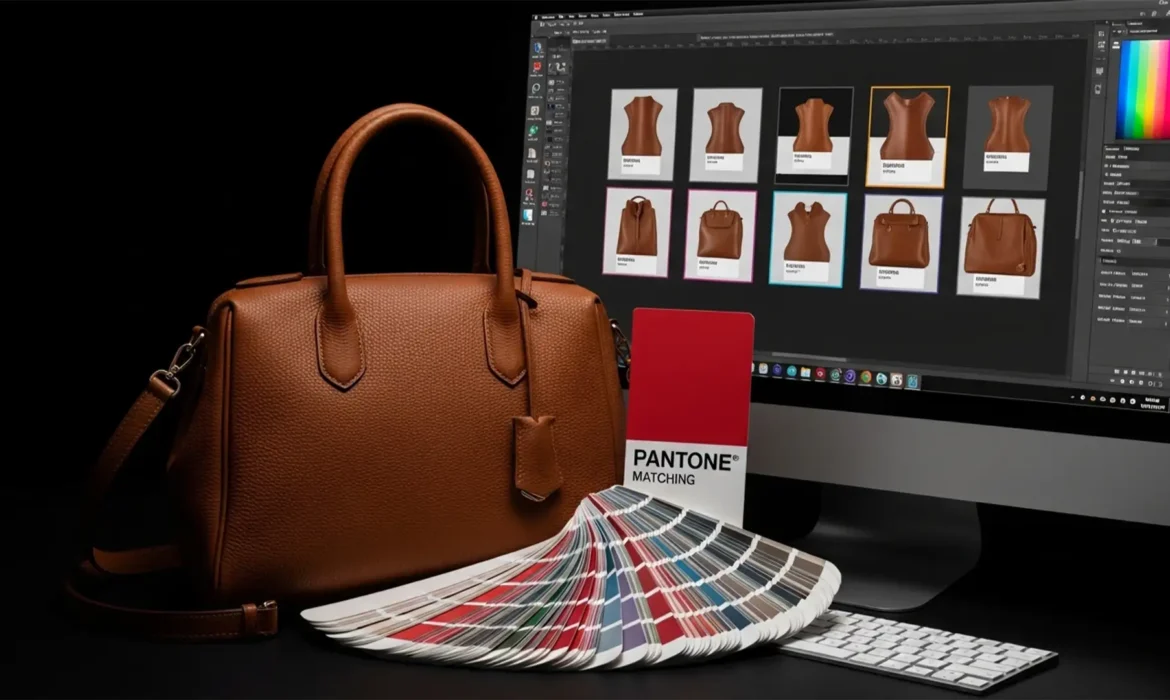
Uniformity at Scale: Batch Color Matching for Leather SKU Sets
If you manage high-volume e-commerce workflows, you already know the nightmare of photographing leather. Varying strobe lighting, natural patina, and surface reflections create massive hue inconsistencies across your catalog. When you try to fix color matching it using standard Hue/Saturation sliders, you destroy the natural micro-contrast of the leather grain, leaving your premium products...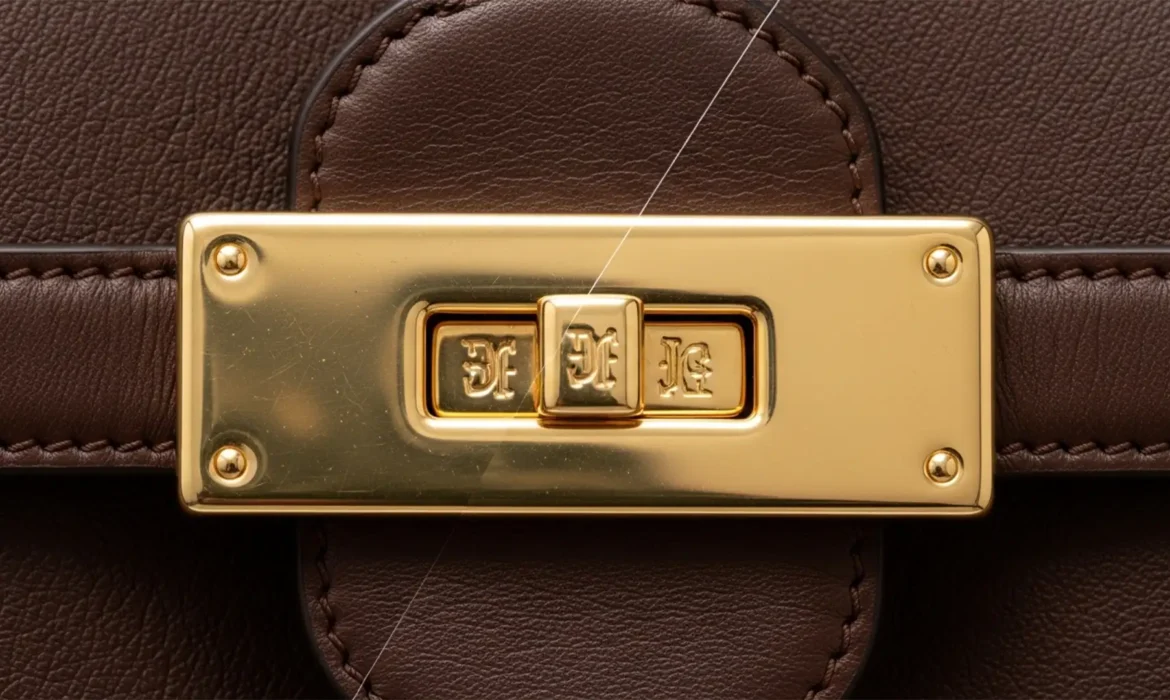
Remove Studio Reflections From Luxury Bag Hardware
You have just wrapped a high-end product shoot. The leather looks flawless, but the polished metal buckles and zippers are a disaster. Because polished metals act like mirrors, they capture every studio strobe, softbox, and even the camera lens silhouette. When you try to paint out these harsh white blowouts and dark specular highlights, you inevitably destroy the natural metallic gradient and...