Retouching for 8K: Micro-Retouching Standards for High-Resolution Displays
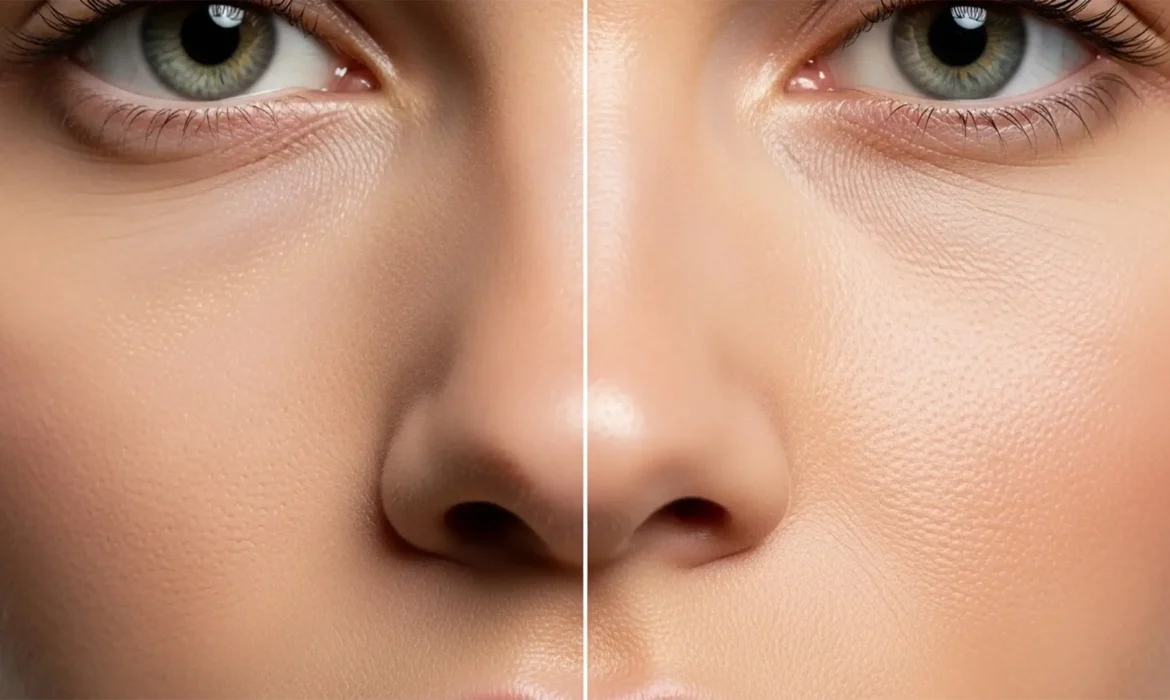
E-commerce and commercial fashion are rapidly shifting to 8K display standards (7680×4320 pixels). If you are still relying on traditional model retouching methods, you are in for a rude awakening. At 8K, extreme pixel peeping reveals every micro-flaw—makeup settling, peach fuzz, and pore anomalies become glaringly obvious. Worse, standard Gaussian Blur techniques create plastic skin and...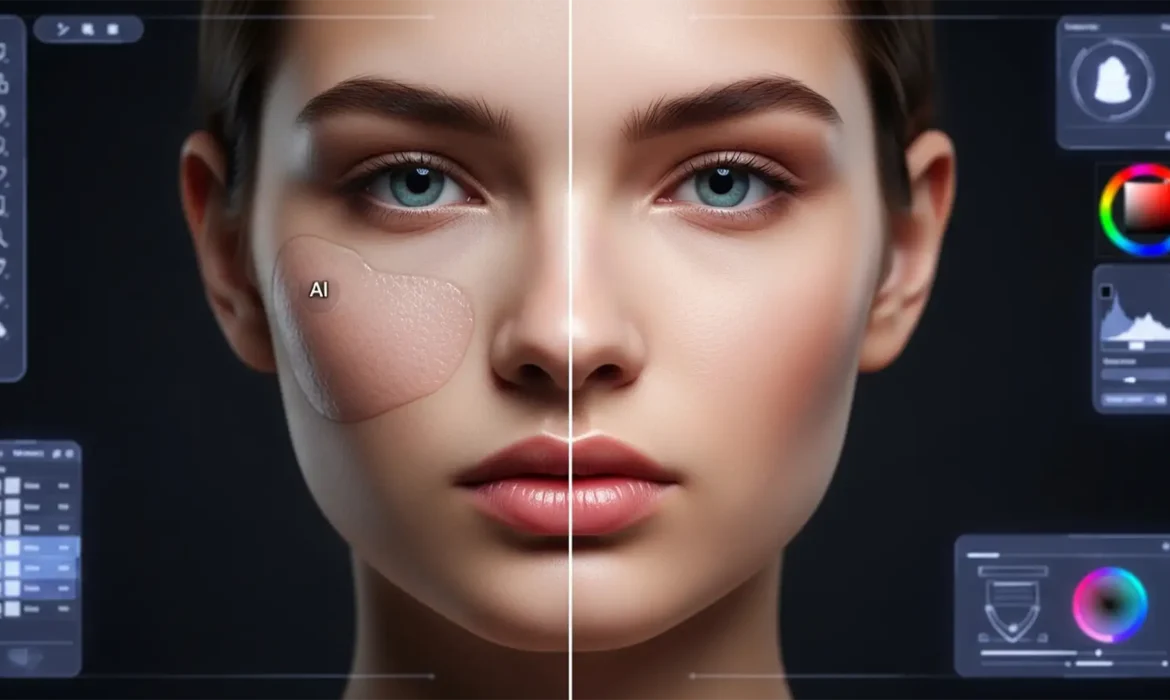
Fixing Undertone Mismatch: Solving AI Skin Tone Shifts in Model Retouching
You’ve just used Adobe Photoshop’s Generative Fill to extend a background or remove a complex blemish on a high-end beauty portrait. The composition looks seamless, but there’s a glaring problem: the AI-generated skin looks muddy, overly orange, or completely ashy. Correcting AI skin undertone shifts has become one of the most frustrating new challenges for professional retouchers using...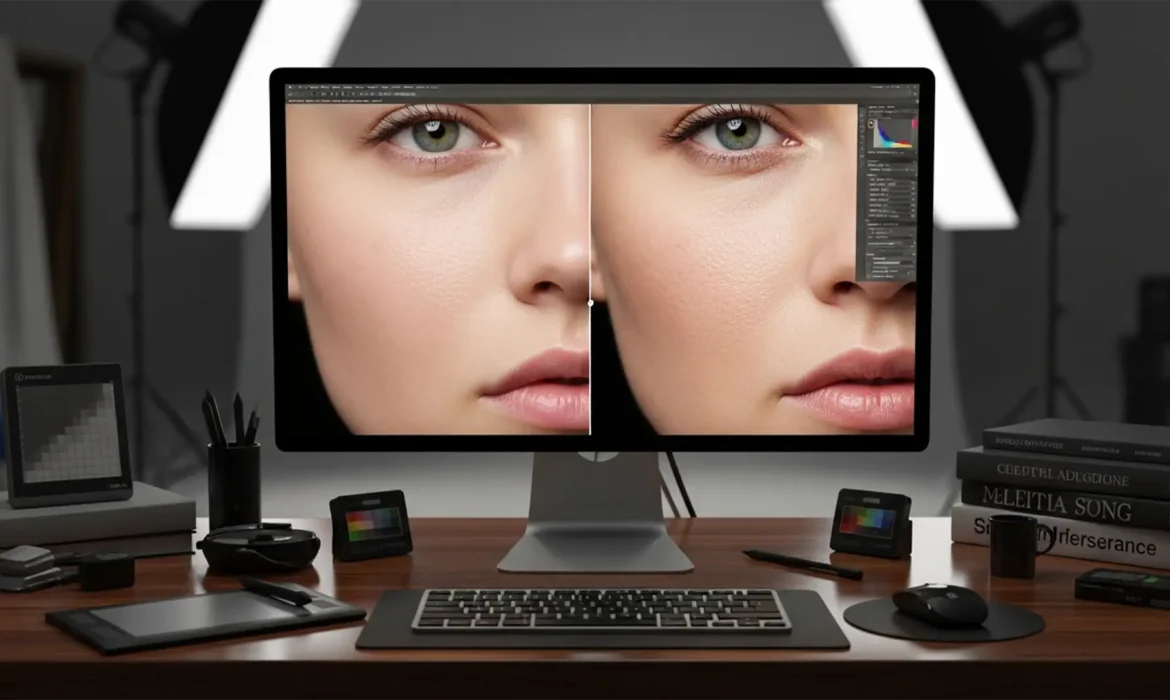
Beyond the Blur: Restore Skin Porosity After AI Retouching
You’ve just used Photoshop’s Generative Fill or Neural Filters to clean up a complex portrait. The blemishes are gone, but so is humanity. Instead of a high-end editorial shot, you are staring at a plastic mannequin. This “uncanny valley” effect happens because AI relies on pixel averaging and blurring to remove shadows and spots, inherently destroying high-frequency details...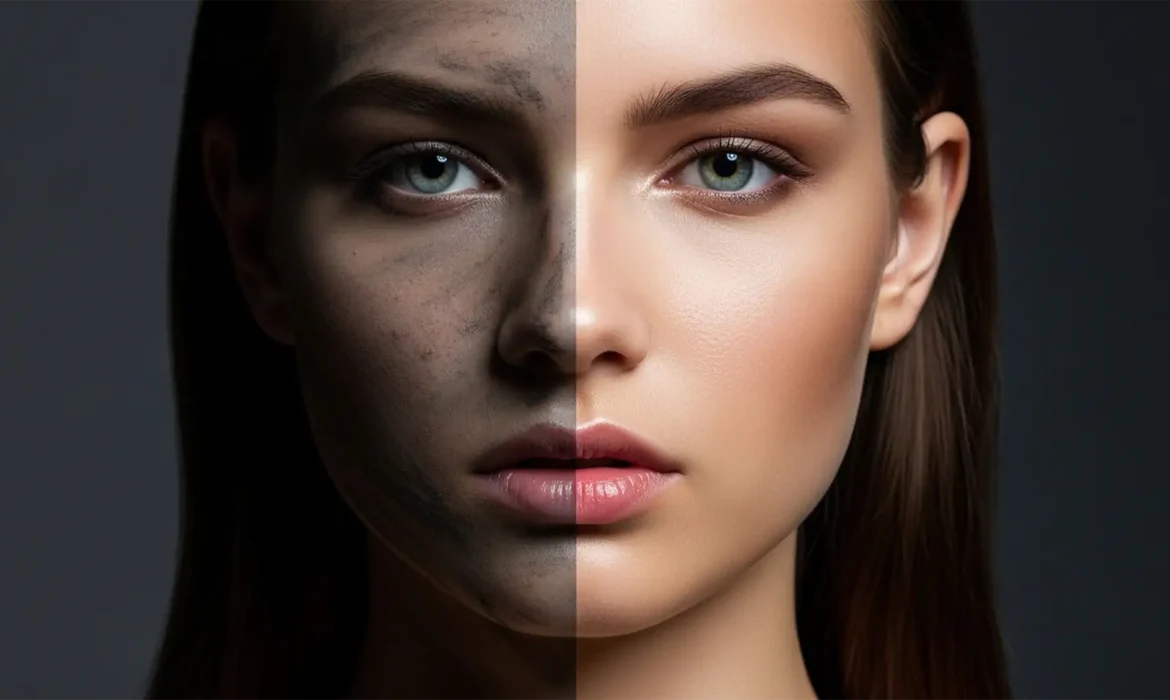
Fix Gray Artifacts in Photoshop Neural Filter Skin Smoothing
You just applied Photoshop’s Neural Filter Skin Smoothing to save time on a portrait, but instead of flawless skin, you are left with muddy, gray artifacts along the jawline. Sound familiar? While Adobe Sensei AI is incredible for quick blemish removal, it frequently misinterprets deep shadows and high-frequency facial hair boundaries. The algorithm aggressively flattens tonal values,...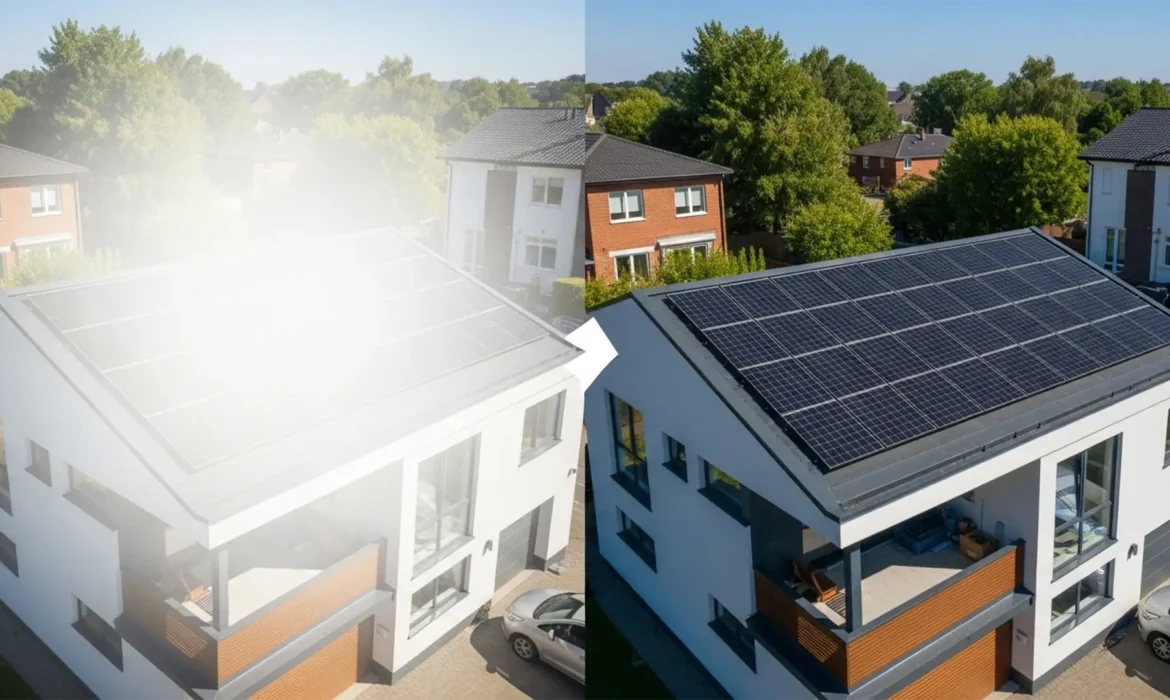
Remove Solar Panel Reflections: Real Estate Retouching
You are editing a stunning drone shot of a luxury property, but there is a glaring issue-literally. The sun has hit the roof at the exact wrong angle, turning the solar panels into an ugly,remove solar panel reflections real estate retouching. When RGB values are clipped at pure white (255,255,255), standard exposure sliders in Camera Raw completely fail because the pixel data is gone. You...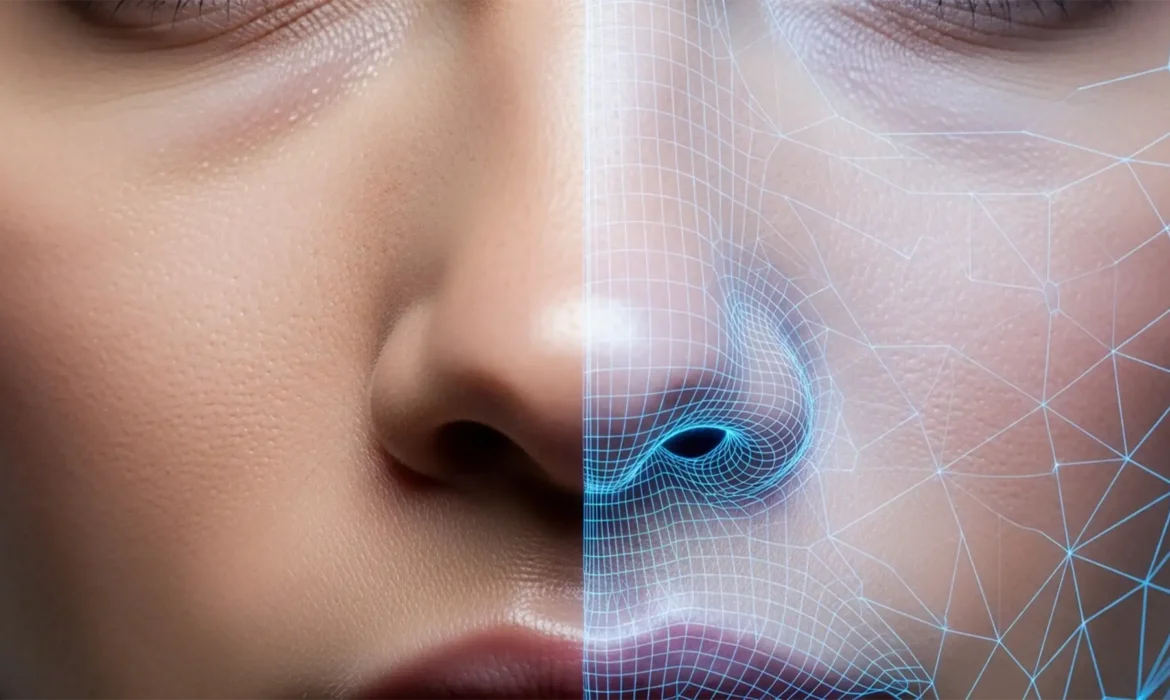
Lightroom Generative Remove vs Photoshop Generative Fill for Skin
There is a glaring problem in modern portrait editing: AI tools are destroying natural skin. When you try to remove a blemish, stray hair, or distraction, the AI often replaces it with a smooth, poreless patch. This AI hallucination creates a mismatched, “plastic skin” effect that instantly ruins high-end commercial portraits. If you want flawless results, you need to know...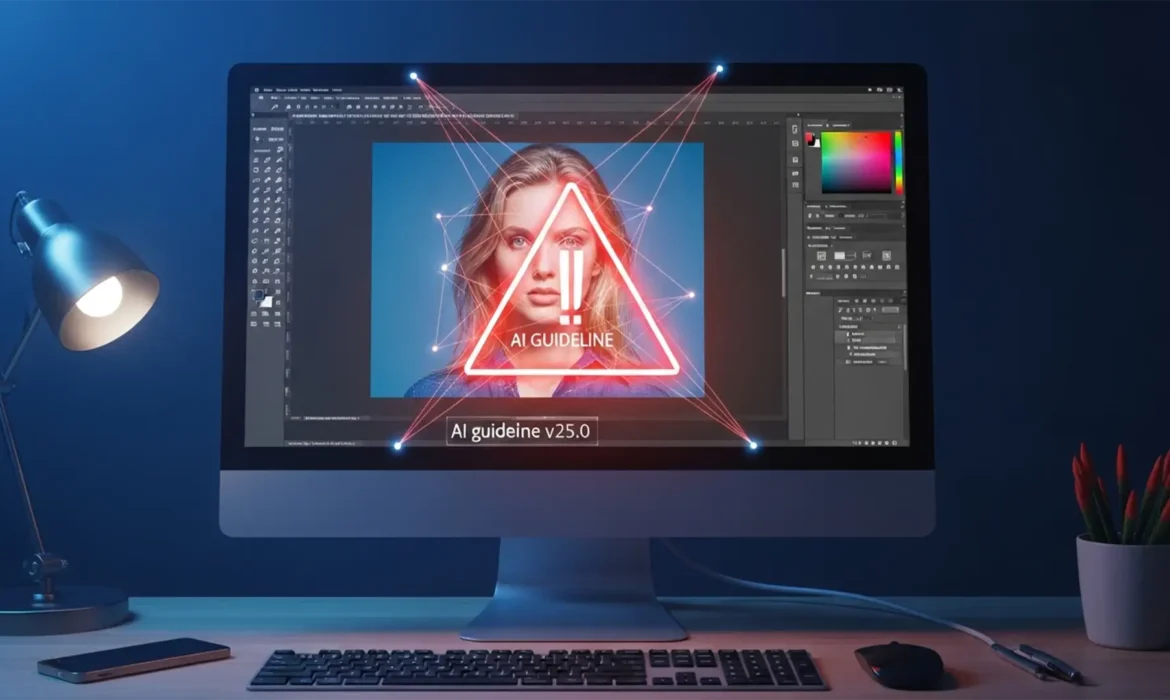
How to Fix Photoshop Generative Fill Guidelines Violations During Skin Retouching
You are in the middle of a high-end portrait edit, trying to remove a simple stray hair or a minor blemish on a subject’s shoulder. You make your selection, hit generate, and suddenly-a glaring red error box pops up. “Guidelines Violation.” If Adobe’s Generative Fill is flagging your standard skin retouching workflow as inappropriate, you are not alone. Since the...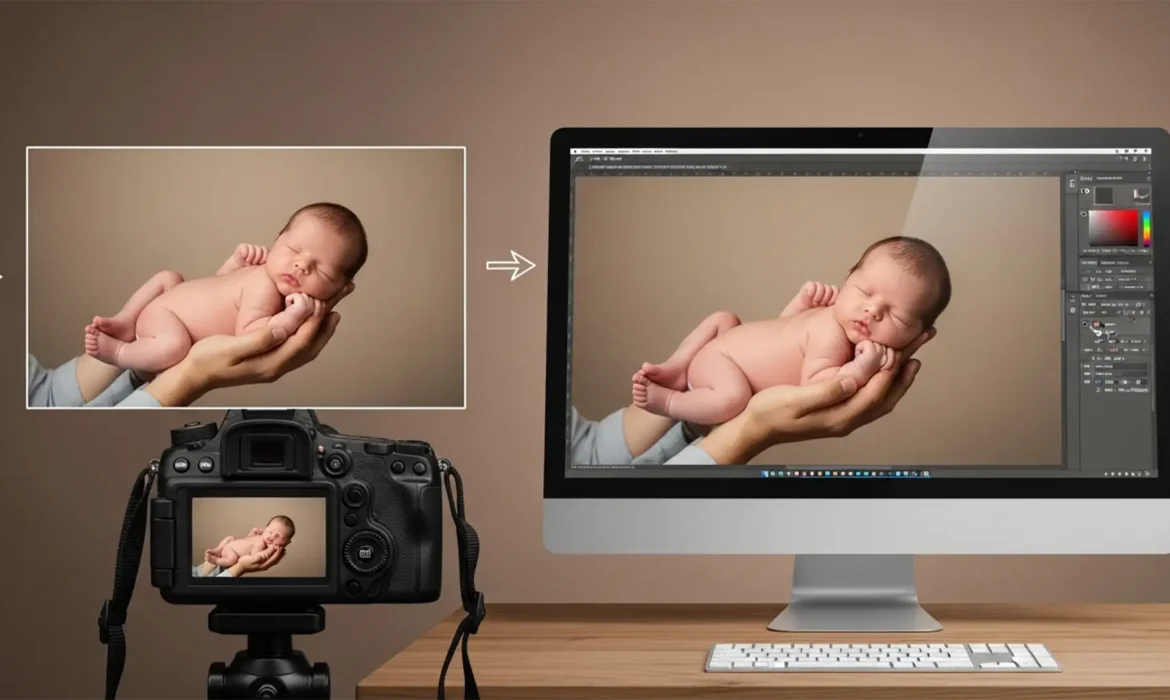
Composite Newborn Poses Safely in Photoshop: Pro Guide
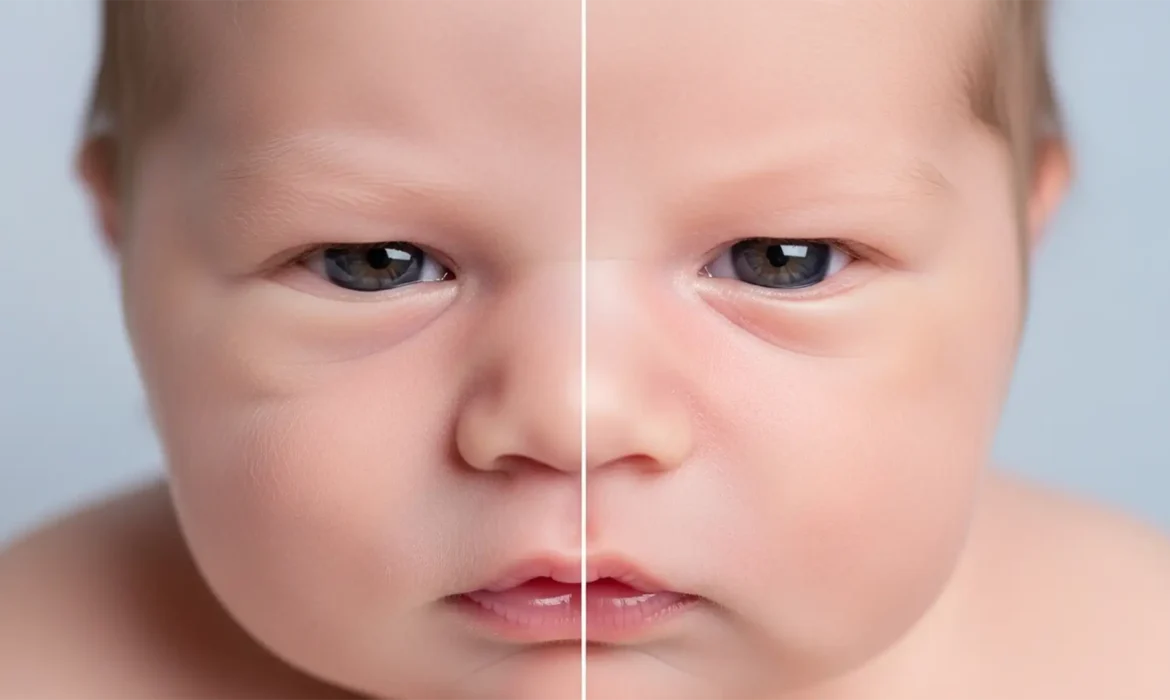
Every professional newborn photographer knows the golden rule: safety first. When clients request the iconic, adorable “Froggy Pose,” executing it safely means never letting the baby support their own weight. This requires capturing two separate images—one with an assistant supporting the baby’s head, and another supporting the wrists. But here is where the headache begins....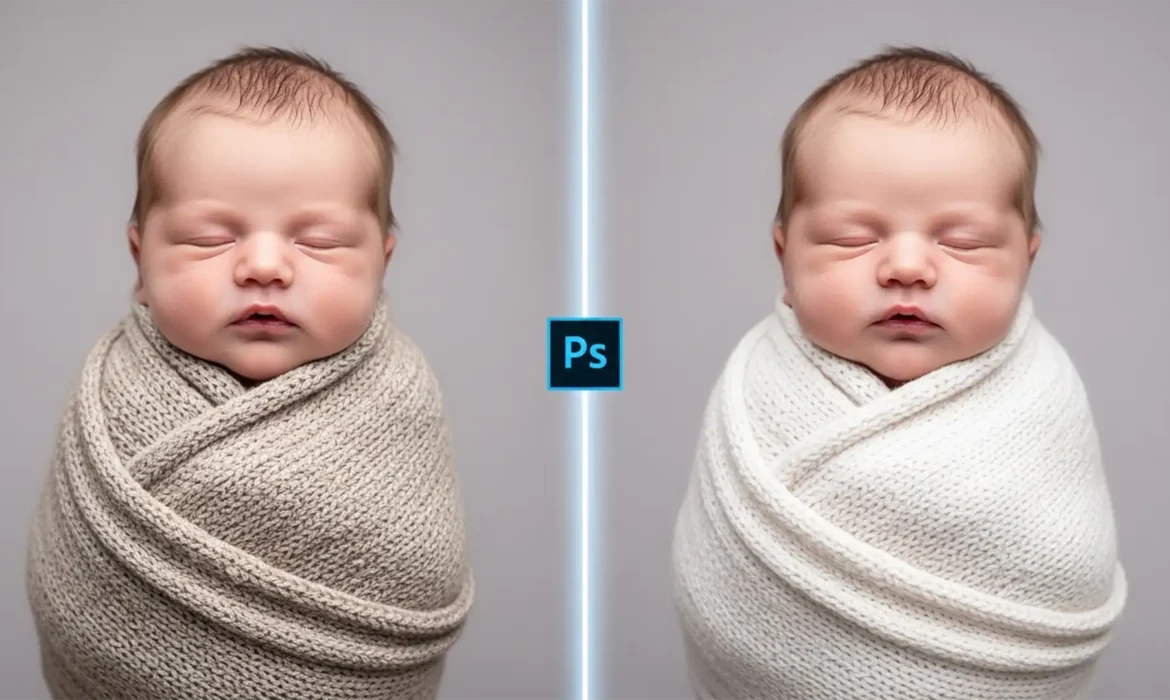
Using Photoshop Generative Fill for Newborn Swaddles
You’ve just captured the perfect newborn swaddles pose. The lighting is soft, the baby is sleeping peacefully, but there is one glaring problem: the baby squirmed, and now the swaddle is a wrinkled, loose, distracting mess. If you are a newborn photographer, you know the pain of trying to fix messy fabrics in post-production. Traditional tools like the Clone Stamp often destroy the delicate...