
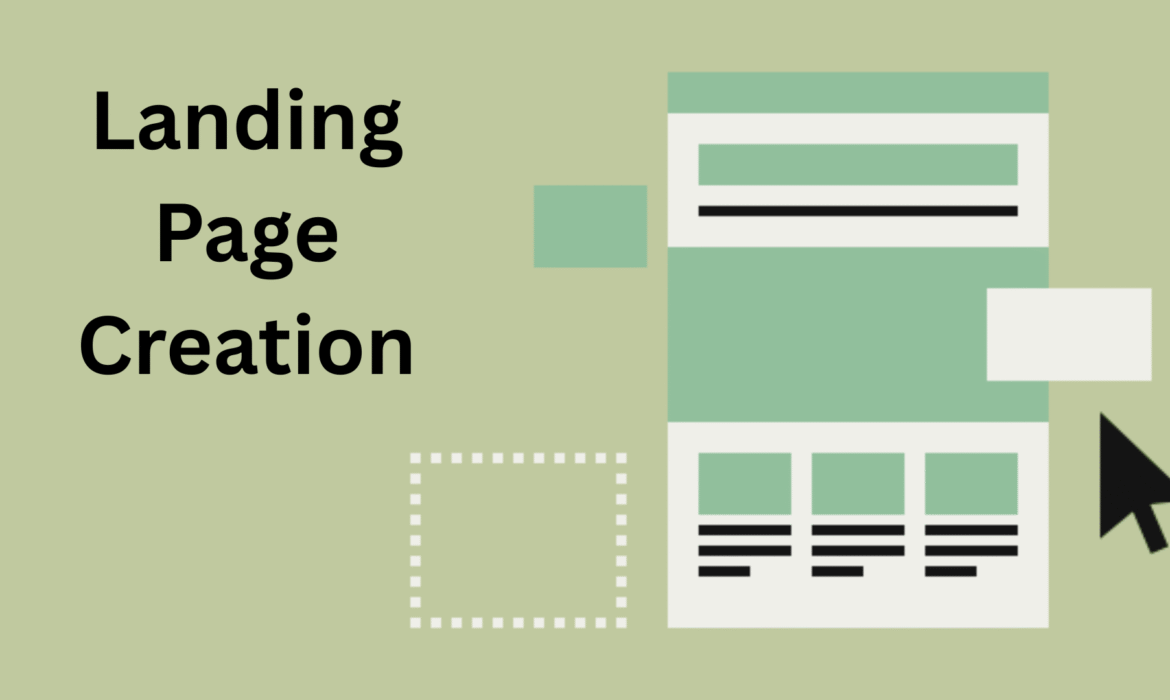
In the digital era, a landing page is more than just a webpage—it’s a critical tool for driving conversions, capturing leads, and achieving business goals. A well-crafted landing page can mean the difference between a visitor leaving your site and turning into a loyal customer. In this detailed instructions guide for landing page creation, we’ll break down the essential steps to create high-converting landing pages, covering everything from goal setting to optimization.

Set a Clear, Single Goal
The foundation of a successful landing page is a single, focused goal. Without a clear objective, your landing page risks confusing visitors, diluting your message, and lowering conversion rates.
- Identify Your Primary Goal: Are you aiming to collect email addresses, sell a product, promote a webinar, or encourage downloads? Clearly define what action you want your visitor to take.
- Keep It Singular: Avoid multiple competing calls-to-action (CTAs). A landing page with several goals can overwhelm visitors, reducing the likelihood of conversions.
- Align Messaging: Ensure that all content, visuals, and design elements support this goal. Every headline, paragraph, and image should guide the user toward completing the desired action.
Pro Tip: Visualize your landing page from the visitor’s perspective. Ask yourself: “What should the visitor do here?” and remove any elements that don’t support that action.
Craft Compelling Content
Once your goal is set, it’s time to create content that persuades visitors to act. Compelling content combines clarity, brevity, and emotional appeal.
- Headline: Your headline is the first thing visitors see. Make it attention-grabbing and clearly convey the benefit. For instance, instead of “Sign Up Now,” try “Boost Your Sales with Our Free Marketing Toolkit.”
- Subheadline: Support your headline with a subheadline that elaborates on the value proposition. This reinforces the primary message without overwhelming readers.
- Body Text: Keep the body concise, benefits-focused, and scannable. Use bullet points to highlight key advantages. Remember, visitors skim online content, so clarity is key.
- Call-to-Action (CTA): Your CTA is the most critical element. Use action-oriented language such as “Get Your Free Guide” or “Start Your Free Trial Today.” Make it visually distinct so it stands out on the page.
- Visual Content: Images, videos, or infographics can significantly boost engagement. Use visuals that illustrate benefits, explain processes, or show real-life results.
Pro Tip: Speak directly to your audience’s pain points and desires. The more your content resonates, the higher your conversion rate will be.

Build Trust and Credibility
Visitors are more likely to convert when they trust your brand. Trust signals and credibility elements reassure users that your offer is legitimate and valuable.
- Testimonials and Reviews: Real customer feedback provides social proof. Include quotes, ratings, and video testimonials if possible.
- Certifications and Awards: Highlight industry recognition, certifications, or partnerships. These build authority and confidence.
- Security Indicators: If you’re collecting sensitive information, display security badges, SSL certificates, or guarantees.
- Transparent Policies: Include clear privacy policies and terms of use. Transparency fosters trust, especially when asking for personal data.
Pro Tip: Avoid overcrowding your page with trust elements. Focus on the ones that resonate most with your target audience and directly relate to your offer.
Design for Conversion
Design is not just about aesthetics—it’s about guiding visitors to take action. A well-designed landing page improves usability and encourages conversions.
- Clean Layout: Use a simple, uncluttered layout with a clear visual hierarchy. Visitors should instantly recognize the main message and CTA.
- Whitespace: Strategic use of whitespace reduces distractions and emphasizes important elements.
- Color Psychology: Colors influence emotions and actions. For example, a bright contrasting color for your CTA button can make it more noticeable.
- Responsive Design: Ensure your landing page looks and functions perfectly on all devices—mobile, tablet, and desktop.
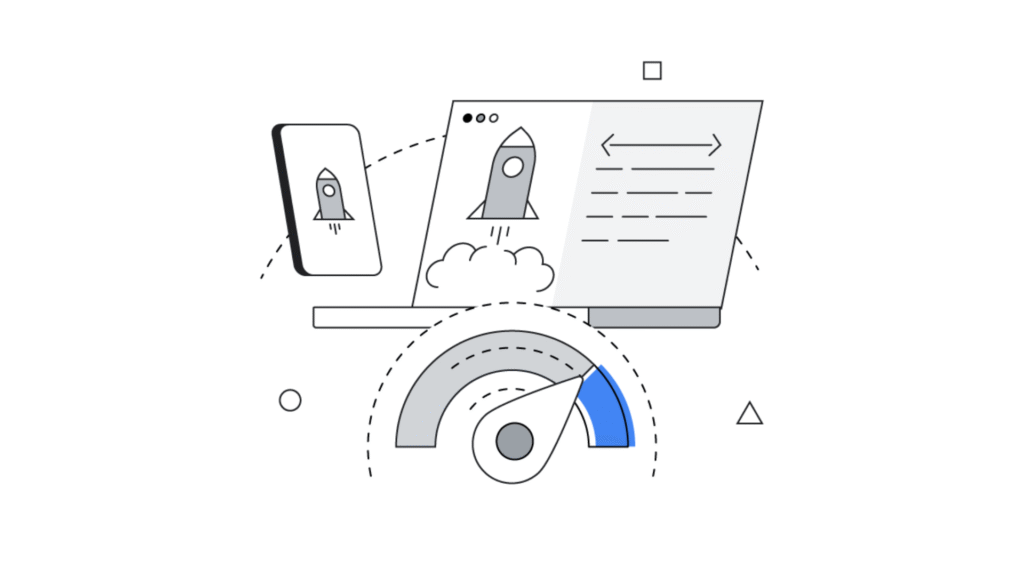
- Fast Loading Speed: Slow pages lead to high bounce rates. Optimize images, leverage caching, and minimize scripts to enhance speed.
Pro Tip: Use directional cues such as arrows or eye-line visuals to subtly guide users toward the CTA.
Test and Optimize
Even a perfectly designed landing page can improve with continuous testing and optimization. Testing identifies what works best and helps you maximize conversions.
- A/B Testing: Compare two versions of your landing page with slight variations (headlines, CTA buttons, images) to see which performs better.
- Heatmaps: Use heatmaps to track where visitors click, scroll, or hover. This provides insights into user behavior and areas of improvement.
- Conversion Rate Analysis: Monitor the percentage of visitors who complete your desired action. Low conversion rates indicate a need for adjustment.
- Iterative Improvement: Optimization is ongoing. Small, incremental changes—like tweaking button text, rearranging content, or updating visuals—can significantly improve performance.
Pro Tip: Test one element at a time for clear insights into what drives conversions. Don’t guess—use data to inform decisions.
Choose the Right Platform
Finally, selecting the right landing page platform ensures ease of creation, flexibility, and integration with other tools.
- Landing Page Builders: Platforms like Unbounce, Leadpages, and Instapage provide drag-and-drop interfaces, templates, and built-in analytics.
- Content Management Systems (CMS): Tools like WordPress offer plugins such as Elementor or Thrive Architect for landing page creation.
- Integration Capabilities: Ensure the platform integrates with your email marketing, CRM, and analytics tools for seamless lead management.
- Scalability: Choose a platform that grows with your business. Consider features like multi-page funnels, A/B testing, and advanced analytics.
Pro Tip: Prioritize platforms that allow quick updates and flexibility. The easier it is to adjust content, the faster you can respond to user feedback and trends.
Conclusion
Creating a high-converting landing page requires a strategic approach that combines goal setting, persuasive content, trust-building, smart design, ongoing optimization, and the right tools. By following these detailed instructions, you can create landing pages that capture leads, boost sales, and strengthen your brand’s online presence.
Remember: a successful landing page is never “finished.” Test, iterate, and refine based on user behavior and data. With a focused goal, compelling content, credible trust signals, conversion-oriented design, and a solid platform, your landing page can become one of your most powerful digital assets.