
Be Ready for Rakuten in a Few Quick Clicks: Optimizing Your Presence
As the e-commerce landscape continues to expand, platforms like Rakuten offer businesses unique opportunities to reach a global audience. However, merely having a presence on Rakuten isn’t enough—optimizing your store is essential to stand out in the crowded online marketplace. In this article, we’ll explore quick and effective strategies to ensure you’re ready for Rakuten, maximizing your visibility and success on this influential e-commerce platform.
Complete Your Store Profile:
Start by ensuring your store profile is comprehensive and engaging. Provide accurate and detailed information about your business, including a compelling description, logo, and contact details. A well-crafted store profile builds trust and credibility with potential customers.
High-Quality Product Images:
Invest time in creating high-quality product images. Clear, visually appealing photos can significantly impact a customer’s decision-making process. Follow Rakuten’s image guidelines, ensuring your products are well-lit, properly framed, and showcase key details.
Optimized Product Titles and Descriptions:
Craft concise yet informative product titles and descriptions. Use relevant keywords to improve search visibility and make it easy for potential customers to understand your products. Focus on the unique selling points of each item to entice shoppers.
Utilize Rakuten Advertising:
Take advantage of Rakuten’s advertising features to boost your products’ visibility. Sponsored listings and promotions can increase your store’s exposure, attracting more potential customers. Explore different advertising options to find the most effective strategy for your products.
Competitive Pricing:
Pricing plays a crucial role in the online marketplace. Research competitors on Rakuten and ensure your prices are competitive. Consider running promotions or offering discounts to attract budget-conscious shoppers.

Offer Competitive Shipping:
Efficient and cost-effective shipping is a key consideration for online shoppers. Optimize your shipping processes to provide competitive delivery times and rates. Clearly communicate shipping costs and delivery estimates to manage customer expectations.
Responsive Customer Service:
Responsive customer service is essential for building trust and loyalty. Promptly address customer inquiries and concerns. Consider implementing chat support and clearly communicate your customer service hours to set expectations.
Regularly Update Inventory:
Keep your product inventory up to date. Remove any out-of-stock items promptly, and regularly add new products to keep your store fresh and engaging. A dynamic and well-maintained inventory encourages repeat visits from customers.

Leverage Customer Reviews:
Positive customer reviews can significantly influence purchasing decisions. Encourage satisfied customers to leave reviews on your Rakuten store. Respond promptly to any negative reviews with a solution-oriented approach to demonstrate your commitment to customer satisfaction.
Monitor Analytics and Adjust:
Utilize Rakuten’s analytics tools to track the performance of your store and products. Pay attention to customer behavior, conversion rates, and popular products. Use this data to make informed decisions and continually optimize your presence on the platform.
Conclusion:
Preparing for Rakuten success requires a strategic and proactive approach. By optimizing your store profile, enhancing product visibility, and providing a positive shopping experience, you’ll be well-positioned to thrive on this influential e-commerce platform. Stay attentive to customer feedback, monitor analytics, and adapt your strategies as needed. With a commitment to excellence and continuous improvement, you can make the most of your presence on Rakuten and tap into its vast potential for global e-commerce success.
Beautiful Light: Creating and Using a Soft Lightbox for Photography
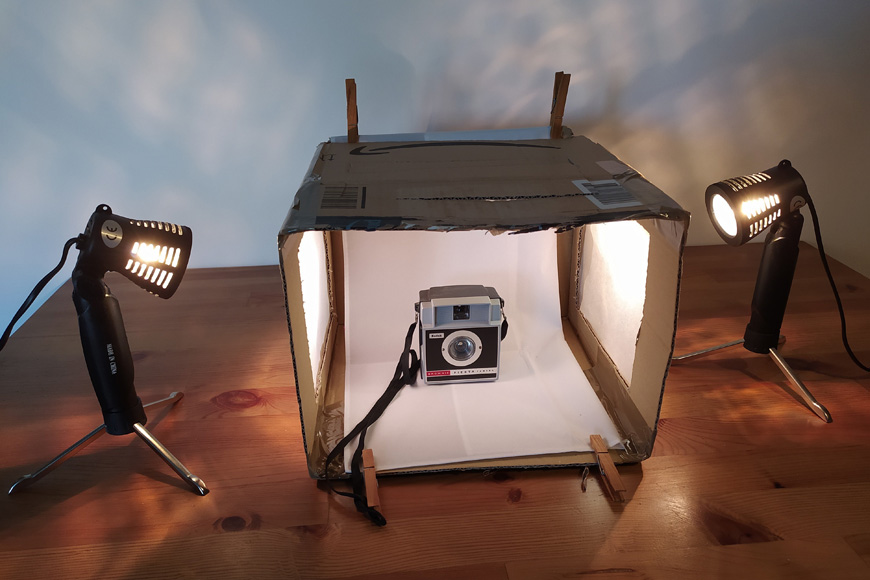
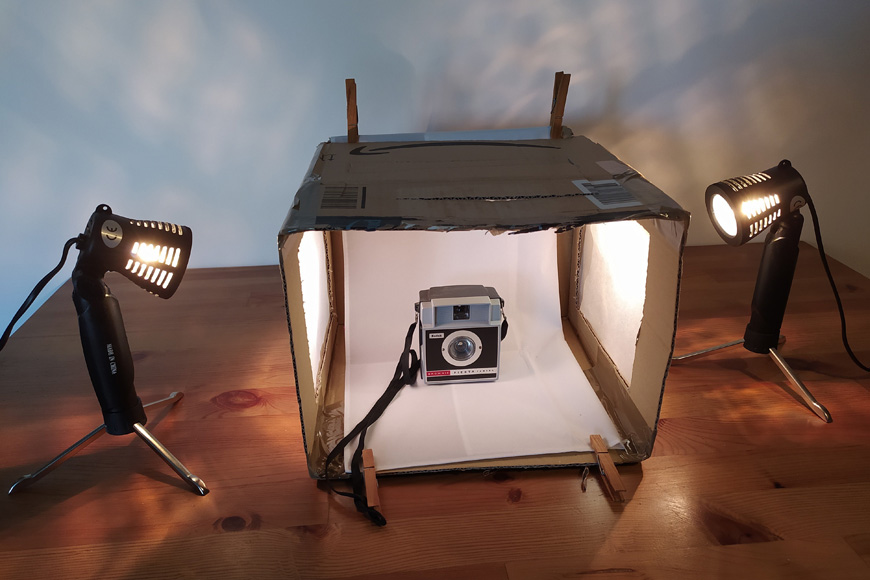
In the world of photography, achieving beautiful and soft lighting is often the key to capturing stunning images. A soft lightbox is a versatile tool that can significantly enhance the quality of your photographs by providing even, diffused lighting. In this article, we’ll explore the process of creating a soft lightbox and share tips on how to effectively use it for various photography scenarios.
Creating Your Soft Lightbox:
Materials Needed:
Cardboard Box:
Choose a medium to large-sized cardboard box based on the size of the subjects you plan to photograph.
White Poster Board or Foam Board:
This will be used to line the interior of the box, creating a reflective surface for the light.
White Fabric or Diffusion Material:
To diffuse the light, use a thin, white fabric or specialized diffusion material. This could be a white bedsheet or a purpose-made diffusion panel.
Utility Knife or Scissors:
To cut openings in the box for the diffusion material and to create a seamless background.
Tape:
Use clear or white tape to secure the diffusion material, poster board, and to assemble the box.
Light Source:
Choose a soft light source such as a studio light, LED panel, or even natural light, depending on your preference and the available equipment.

Steps:
Prepare the Box:
Seal any unnecessary openings of the cardboard box using tape.
Cut out three sides of the box, leaving a frame on top for structural integrity.
Line the Interior:
Attach white poster board or foam board to the interior walls of the box using tape, creating a reflective surface for the light to bounce off.
Diffusion Material:
Cover the open sides of the box with white fabric or diffusion material, securing it with tape. This will soften and diffuse the incoming light, creating a gentle illumination.
Create a Seamless Background:
Cut the bottom of the box to create a seamless background. Extend the background material on the base to eliminate any visible edges.
Set Up Your Light Source:
Place your chosen light source outside the diffusion material, directing it toward the interior of the box. This ensures that the light is evenly spread and diffused.

Portrait Photography:
Positioning:
Place your subject in the center of the lightbox, ensuring that the diffused light creates soft shadows on the face.
Experiment with Angles:
Adjust the angle and distance of your light source to control the intensity and direction of the light. This flexibility allows you to create various lighting effects.
Product Photography:
Consistent Lighting:
The soft lightbox provides consistent and even lighting, making it ideal for showcasing products without harsh shadows or reflections.
Highlight Details:
Position the light source to highlight the key features of the product. The soft lighting enhances textures and details, creating visually appealing product images.

Macro Photography:
Controlled Lighting:
For close-up shots, the soft lightbox allows precise control over the lighting conditions. Experiment with different angles and distances to highlight intricate details.
Reduced Glare:
The diffusion material helps minimize glare and reflections, enabling clear and well-defined macro shots.
Tips for Best Results:
Adjust Light Intensity:
Control the intensity of the light by adjusting the distance between your light source and the diffusion material. This allows you to achieve the desired level of softness.
Experiment with Backgrounds:

Use different colored backdrops or textured materials to add variety to your photographs. The seamless background of the lightbox provides a clean and distraction-free setting.
Combine Natural Light:
For a natural and soft look, position the lightbox near a window and combine natural light with your artificial light source.
Use Reflectors:
Enhance the soft lighting by incorporating reflectors outside the lightbox. This can fill in shadows and create a well-balanced illumination.
Conclusion:
Creating and using a soft lightbox opens up a world of possibilities for photographers, whether capturing portraits, products, or intricate details in macro photography. By constructing a simple yet effective soft lightbox and mastering its usage, you can elevate the quality of your images, achieving beautiful, even lighting that enhances the visual appeal of your photography.
3 Steps to Save Time and Money on Product Image Editing for BigCommerce
For online retailers using BigCommerce, the importance of visually appealing product images cannot be overstated. However, the process of editing and optimizing these images can be time-consuming and costly. In this article, we’ll explore three steps to streamline and economize your product image editing workflow on BigCommerce, helping you save valuable time and resources.
1. Integrate with AI-Powered Image Editing Tools:
Incorporating artificial intelligence (AI) into your image editing workflow can revolutionize the way you handle product images on BigCommerce. By integrating AI-powered tools, you can automate and expedite the editing process with remarkable efficiency. Here’s how:
a. Choose the Right Tool:
Select an AI-powered image editing tool that seamlessly integrates with BigCommerce. Look for features such as bulk editing, background removal, and color correction.
b. Batch Processing:
Utilize the batch processing capabilities of AI tools to edit multiple images simultaneously. This not only saves time but ensures a consistent look across your entire product catalog.
c. Automated Background Removal:
Leverage AI algorithms for automated background removal. This feature can swiftly and accurately remove backgrounds, providing clean and professional product images without manual intervention.

2. Implement a Centralized Image Library:
Efficient image management is crucial for a streamlined editing process. Establishing a centralized image library allows you to organize, access, and edit product images seamlessly. Follow these steps to implement a centralized image library on BigCommerce:
a. Cloud-Based Storage:
Choose a cloud-based storage solution to host your product images. This ensures accessibility from anywhere and facilitates collaboration among team members.
b. Integrate with BigCommerce:
Integrate your chosen cloud storage solution with BigCommerce to sync your image library. This integration simplifies the process of updating and managing images directly from your e-commerce platform.
c. Version Control:
Implement version control to keep track of image edits. This ensures that you can revert to previous versions if needed and maintain a clear record of changes made to each product image.

3. Optimize for Mobile Responsiveness:
As mobile shopping continues to rise, ensuring that your product images are optimized for mobile viewing is essential. Follow these steps to enhance mobile responsiveness for your product images:
a. Responsive Image Sizes:
Optimize your product images for various screen sizes. BigCommerce provides responsive design templates, so make sure your images adapt well to different devices without losing quality.
b. Mobile-Friendly Thumbnails:
Pay special attention to the thumbnails of your product images. These are often the first visuals users see, especially on mobile devices. Ensure they are clear, well-cropped, and enticing.
c. Test Across Devices:
Regularly test your product images on different mobile devices to ensure they load quickly and appear as intended. Address any issues promptly to provide a seamless mobile shopping experience.

Conclusion:
By integrating AI-powered image editing tools, implementing a centralized image library, and optimizing for mobile responsiveness, you can transform your product image editing workflow on BigCommerce. These steps not only save time and money but also contribute to a visually appealing and user-friendly online shopping experience. As the e-commerce landscape evolves, staying ahead with efficient image editing practices is key to maintaining a competitive edge and captivating your audience.
Create a Captivating GIF: 8 Simple Steps for Product Images
In the dynamic world of digital marketing, capturing attention quickly is paramount. A captivating GIF can be a powerful tool to showcase your product in an engaging and dynamic way. In this article, we’ll guide you through eight simple steps to create an eye-catching GIF using your product images.
Step 1: Select Your Product Images
Start by choosing a set of high-quality images that showcase different angles, features, or uses of your product. Ensure these images tell a cohesive story about your product and can be arranged in a sequence for the GIF.
Step 2: Resize and Crop
To maintain a consistent and professional look, resize and crop your images to a uniform dimension. This step ensures a seamless transition between frames in your GIF, preventing any distracting jumps or shifts.
Step 3: Choose a GIF Creation Tool
Select a user-friendly GIF creation tool that aligns with your preferences and skill level. Online tools like Giphy, Imgflip, or Adobe Spark offer intuitive interfaces for creating GIFs without the need for advanced design skills.
Step 4: Upload Your Images
Once in your chosen GIF creation tool, upload the selected images in the order you want them to appear in the GIF. Most tools allow you to rearrange the sequence as needed.

Step 5: Set Timing and Transitions
Determine the duration each image should be displayed in the GIF. Experiment with timings to find the right balance between showcasing product details and maintaining viewer engagement. Additionally, explore transition options, such as fade-ins or slide effects, to enhance visual appeal.
Step 6: Add Text or Captions
Consider including text or captions to highlight key features, benefits, or promotions related to your product. Keep the text concise and use a legible font. This adds an informative layer to your GIF, making it more effective for marketing purposes.
Step 7: Preview and Refine
Preview your GIF to ensure a smooth and visually appealing sequence. Pay attention to the flow of images, timing, and any added text. Refine as needed to create a captivating and cohesive visual experience.
Step 8: Export and Share
Once satisfied with your GIF, export the file in a suitable format. Most GIF creation tools allow you to download the final product as a GIF file. Share your captivating GIF across your online platforms, including social media, email campaigns, or your website.

Additional Tips:
Maintain Brand Consistency:
Ensure that your GIF aligns with your brand colors, fonts, and overall visual identity. Consistency helps reinforce brand recognition.
Consider Looping:
If the nature of your product allows, consider creating a looped GIF for continuous engagement. Looping can be particularly effective for showcasing product functionality or multiple use cases.
Test on Various Devices:
Before widespread distribution, test your GIF on different devices to ensure optimal viewing experiences across various screen sizes.
Utilize High-Resolution Images:
Opt for high-resolution images to ensure clarity and professionalism in your GIF. Blurry or pixelated visuals can diminish the overall impact.
Conclusion:
Creating a captivating GIF for your product images doesn’t have to be complicated. By following these eight simple steps, you can produce a visually appealing and engaging GIF that effectively showcases your product. Experiment with different tools and styles to find what resonates best with your audience, and integrate these captivating GIFs into your marketing strategy for maximum impact.
Streamlining Studio Management: Creative Force Software Overview
In the dynamic world of creative industries, efficient studio management is crucial for success. As technology continues to advance, businesses are turning to innovative solutions to streamline their operations. One such solution gaining prominence is Creative Force Software. In this article, we will provide a comprehensive overview of Creative Force Software, exploring its features, benefits, and how it can revolutionize studio management for creative professionals.
Understanding the Need for Efficient Studio Management
In the realm of creative endeavors such as photography, fashion, and design, effective studio management is the backbone of a successful operation. From project planning to asset organization and team collaboration, every aspect plays a pivotal role in achieving optimal results. However, the traditional methods of managing studios often fall short in meeting the demands of today’s fast-paced and ever-evolving creative landscape.
Enter Creative Force Software
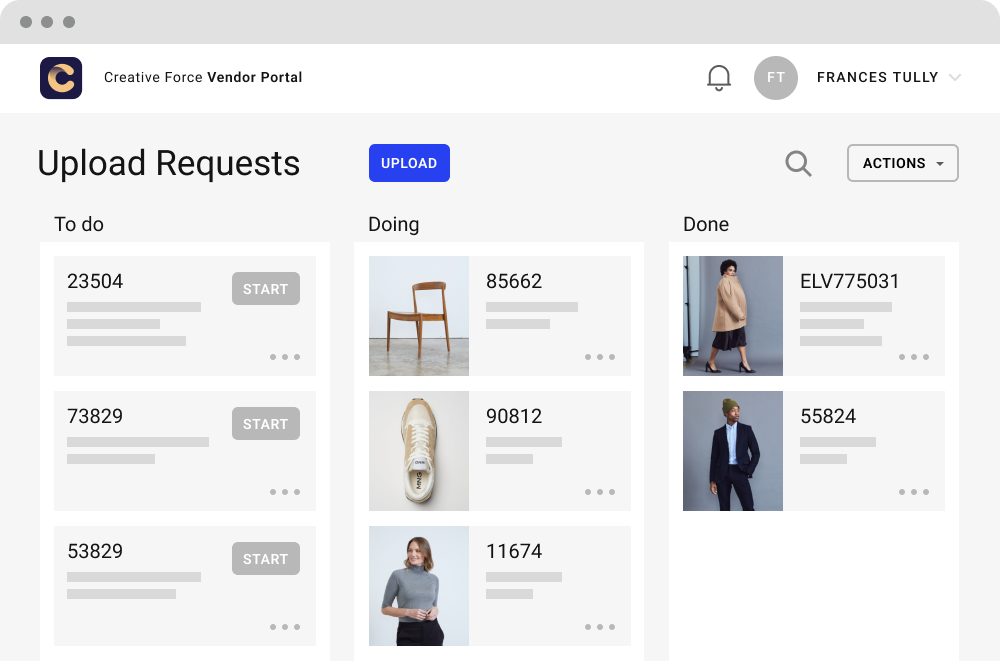
Creative Force Software is a cutting-edge solution designed to address the challenges faced by creative professionals in studio management. This comprehensive software offers a suite of tools and features tailored to enhance efficiency, collaboration, and overall productivity within a creative studio environment.
Key Features of Creative Force Software
Project Planning and Scheduling: Creative Force Software provides a robust platform for project planning and scheduling. With intuitive calendars and task management tools, studios can easily plan and organize their projects, ensuring that every team member is on the same page.
Asset Management: Efficient organization and management of digital assets are vital for creative studios. Creative Force Software offers a centralized repository for storing, categorizing, and retrieving assets, streamlining the workflow and minimizing the risk of data loss.
Collaboration Tools: Seamless collaboration is essential in creative projects. This software facilitates communication and teamwork by providing collaborative tools such as real-time editing, commenting, and file sharing. This ensures that all team members can contribute and stay connected throughout the creative process.
Workflow Automation: Automation is a game-changer in studio management. Creative Force Software allows users to automate repetitive tasks, reducing manual workload and enhancing overall efficiency. This includes automated workflows for approval processes, file transfers, and more.
Analytics and Reporting: Understanding performance metrics is crucial for continuous improvement. Creative Force Software offers analytics and reporting features that provide valuable insights into studio performance, helping businesses make data-driven decisions to optimize their operations.

Benefits of Implementing Creative Force Software
Time Efficiency: By automating routine tasks and providing a centralized platform for project management, Creative Force Software significantly reduces the time spent on administrative processes, allowing creative professionals to focus more on their craft.
Enhanced Collaboration: The collaborative features of the software foster improved communication and teamwork among studio members, leading to increased creativity and more successful project outcomes.
Reduced Errors: Automation and streamlined workflows contribute to a reduction in errors and oversight, ensuring that projects are completed accurately and on time.
Scalability: Creative Force Software is designed to grow with your business. As your studio expands, the software can adapt to the increased workload and complexity, providing a scalable solution for long-term success.
Conclusion
In conclusion, Creative Force Software stands as a powerful tool for creative professionals seeking to revolutionize their studio management. With its comprehensive set of features, this software addresses the unique challenges faced by creative studios, offering a streamlined solution that enhances efficiency, collaboration, and overall productivity. As the creative landscape continues to evolve, embracing innovative solutions like Creative Force Software is a step toward ensuring sustained success in the competitive world of creative industries.
Efficient Creative Operations: The Impact of Background Removal Services
In the ever-evolving landscape of creative industries, efficiency is paramount. Creative professionals, whether in photography, e-commerce, or graphic design, constantly seek ways to streamline their operations and enhance productivity. One such impactful solution that has gained prominence is background removal services. In this article, we will delve into the significance of background removal services in creative operations, exploring their benefits and the transformative impact they bring to various sectors.
The Importance of Visual Appeal
Visual content plays a crucial role in capturing audience attention and conveying messages effectively. Whether it’s for product images, marketing materials, or creative projects, the visual appeal of an image can make or break its impact. One key aspect of achieving visual excellence is the background of an image.
Streamlining with Background Removal Services
Background removal services involve the process of isolating the main subject in an image from its background. This seemingly simple task, when done manually, can be time-consuming and may not always yield professional results. This is where background removal services come into play, offering a range of benefits for creative professionals:
1. Professional Aesthetics: Removing distracting or cluttered backgrounds ensures that the main subject takes center stage, creating a clean and professional look. This is particularly crucial for e-commerce product images, where a polished appearance can significantly influence purchasing decisions.
2. Consistent Branding: For businesses maintaining an online presence, maintaining consistency in visual elements is essential. Background removal services help in achieving uniformity across images, reinforcing brand identity and creating a cohesive visual experience for the audience.
3. Time and Cost Efficiency: Manual background removal is a time-intensive task that can divert creative professionals from focusing on their core tasks. Background removal services automate this process, saving valuable time and allowing creative teams to allocate their efforts more efficiently.
4. Versatility in Creative Projects: Creative professionals often require images with transparent backgrounds for various projects such as graphic design, presentations, or promotional materials. Background removal services provide versatility by creating images that can be seamlessly integrated into different contexts.

Industries Benefiting from Background Removal Services
1. E-commerce: In the highly competitive e-commerce landscape, product images with clean and appealing backgrounds contribute to higher conversion rates. Background removal services enhance the visual appeal of product listings, creating a positive impact on online shoppers.
2. Photography: Photographers, whether in portrait, fashion, or commercial photography, can benefit from background removal services to fine-tune their images. This allows them to create visually striking portfolios and meet the specific requirements of clients.
3. Graphic Design: Background removal services are a boon for graphic designers who often need images with transparent backgrounds for various design projects. This versatility streamlines the creative process and enables designers to focus on their artistic expression.
4. Marketing and Advertising: Marketing materials, advertisements, and promotional content often require images that stand out. Background removal services contribute to the creation of visually compelling assets that leave a lasting impression on the target audience.

Conclusion
In conclusion, the impact of background removal services on creative operations cannot be overstated. These services offer a practical solution to the visual challenges faced by professionals in various industries, contributing to efficiency, professionalism, and visual appeal. As technology continues to advance, creative professionals are increasingly embracing background removal services as an integral part of their toolkit, ensuring that their visual content remains at the forefront of innovation and excellence in the competitive world of creative industries.
CSR in Post-Production: A Deep Dive into DDD Outsourcing
In a world increasingly aware of social and environmental issues, the post-production industry is undergoing a transformation towards corporate social responsibility (CSR). This article explores the intricate relationship between CSR and DDD (Design, Development, and Deployment) outsourcing, delving into the practices that foster sustainability and ethical conduct.
Introduction
CSR in post-production is not merely a buzzword but a fundamental shift in how companies operate and contribute to society. As DDD outsourcing becomes a prevalent practice, understanding its connection with CSR is crucial for companies aiming to make a positive impact.
Understanding DDD Outsourcing
DDD outsourcing involves the delegation of design, development, and deployment tasks to external entities. This cost-effective strategy has gained traction in the post-production sector, leading to both opportunities and challenges for companies engaged in it.
Benefits and Challenges
While DDD outsourcing offers cost savings and access to specialized skills, it also presents challenges such as communication barriers and quality control issues. Navigating these challenges requires a strategic approach that incorporates CSR principles.
Integration of CSR in DDD Outsourcing
Recognizing the importance of corporate social responsibility in the outsourcing process is a paradigm shift. Companies engaged in DDD outsourcing can no longer operate solely for profit; they must also consider the social and environmental impacts of their actions.
The Triple Bottom Line Approach
Adopting the Triple Bottom Line (TBL) approach involves balancing people, planet, and profit. In post-production, this means addressing social issues, environmental concerns, and economic viability concurrently. The TBL approach ensures a holistic and sustainable business model.

Case Studies
Several post-production companies have successfully integrated CSR into their DDD outsourcing practices. These case studies provide valuable insights into the positive outcomes and lessons learned from embracing social responsibility.
Positive Outcomes and Lessons Learned
Companies that prioritize CSR in DDD outsourcing experience enhanced brand reputation, improved employee morale, and increased client loyalty. These success stories serve as inspiration for others looking to make a positive impact.
Key CSR Practices in Post-Production
Implementing CSR in post-production involves adopting specific practices that align with ethical and sustainable principles. From sourcing materials responsibly to ensuring ethical labor practices, companies can make a significant difference in their CSR journey.
Sustainable Sourcing of Materials
Post-production companies can contribute to environmental conservation by sourcing materials responsibly. This includes using recycled or sustainable materials, reducing waste, and supporting eco-friendly suppliers.

Ethical Labor Practices
Ensuring fair wages, safe working conditions, and equal opportunities for all employees are essential components of CSR in post-production. Companies that prioritize ethical labor practices contribute to social justice and inclusivity.
Measuring CSR Impact
To gauge the effectiveness of CSR initiatives, post-production companies need robust metrics and tools. Transparent reporting and accountability mechanisms play a crucial role in demonstrating the real impact of CSR efforts.
Transparent Reporting and Accountability
Openly sharing CSR initiatives, outcomes, and challenges fosters trust among stakeholders. Transparent reporting enables companies to be accountable for their actions, driving continuous improvement and demonstrating a commitment to positive change.
Challenges and Solutions
Implementing CSR in DDD outsourcing comes with its share of challenges. Identifying these obstacles and strategizing solutions is vital for companies committed to making a lasting impact on society and the environment.
Strategies to Overcome Challenges
Common challenges such as cultural differences, communication barriers, and resistance to change can be addressed through effective communication, cultural sensitivity training, and collaborative problem-solving. Overcoming these challenges is a testament to a company’s resilience and commitment to CSR.

Future Trends in CSR and DDD Outsourcing
The landscape of CSR and DDD outsourcing is continually evolving. Companies need to stay abreast of emerging trends, including changes in industry standards and the impact of technological advancements.
Technological Advancements and Their Impact
As technology evolves, new opportunities and challenges arise. Post-production companies embracing the latest technologies must do so with a conscious effort to minimize environmental impact and promote social responsibility.
The Role of Consumers
Consumers play a pivotal role in driving CSR initiatives. Socially conscious consumers prefer companies that align with their values, influencing purchasing decisions and incentivizing post-production companies to prioritize CSR in their operations.
How Purchasing Decisions Drive CSR Initiatives
By choosing products and services from socially responsible companies, consumers send a clear message that CSR matters. This consumer-driven approach encourages post-production companies to invest in sustainable practices and ethical conduct.
Government Regulations and CSR Compliance
Government regulations provide a framework for companies to adhere to CSR principles. Understanding and complying with these regulations is essential for post-production companies engaged in DDD outsourcing.
The Role of Regulatory Bodies in Ensuring Compliance
Regulatory bodies oversee CSR compliance and hold companies accountable for their actions. Collaborating with these bodies ensures that post-production companies meet ethical and environmental standards.
Building a CSR Culture in Post-Production Companies
CSR is not just a set of practices; it’s a cultural shift within organizations. Fostering a CSR culture involves engaging and empowering employees to be advocates for social and environmental responsibility.

Employee Engagement and Empowerment
Employees who feel connected to the company’s CSR initiatives are more likely to contribute positively. Engaging employees through volunteer opportunities, sustainability programs, and ethical leadership builds a strong foundation for a CSR culture.
Educating Stakeholders
Raising awareness among clients, partners, and other stakeholders is integral to the success of CSR initiatives. Collaborative efforts to educate and involve stakeholders create a ripple effect, promoting widespread commitment to sustainability.
Collaborative Efforts for a Sustainable Future
Post-production companies can collaborate with clients, suppliers, and industry partners to amplify the impact of CSR initiatives. Joint efforts toward a sustainable future strengthen the collective ability to address global challenges.
Success Stories
Companies that have successfully integrated CSR into their DDD outsourcing practices serve as beacons of inspiration. Their journeys demonstrate the tangible benefits of prioritizing social and environmental responsibility.
Positive Impacts on Brand Reputation
Post-production companies that champion CSR not only contribute to societal well-being but also enhance their brand reputation. Positive perceptions among consumers and industry peers lead to increased trust and market competitiveness.
Conclusion
In conclusion, CSR in post-production is not just a trend; it’s a fundamental shift towards a more sustainable and ethical industry. Embracing CSR in DDD outsourcing ensures that companies contribute positively to society while thriving economically.

Frequently Asked Questions
What is CSR, and why is it important in post-production?
CSR, or corporate social responsibility, involves companies taking responsibility for their impact on society and the environment. In post-production, it’s crucial for fostering sustainability and ethical conduct.
How can post-production companies measure the impact of their CSR initiatives?
Companies can measure the impact through robust metrics, transparent reporting, and accountability mechanisms, demonstrating the real and positive change resulting from their CSR efforts.
What role do consumers play in driving CSR initiatives in post-production?
Consumers influence CSR initiatives by preferring products and services from socially responsible companies. Their purchasing decisions incentivize post-production companies to prioritize CSR.
How can post-production companies overcome challenges in implementing CSR in DDD outsourcing?
Challenges can be addressed through effective communication, cultural sensitivity training, and collaborative problem-solving. Overcoming obstacles showcases a company’s commitment to CSR.
Why should post-production companies collaborate with stakeholders for a sustainable future?
Collaborative efforts with clients, suppliers, and industry partners amplify the impact of CSR initiatives, strengthening the collective ability to address global challenges for a sustainable future.
Data Science in Creative Operations: Boosting Efficiency and Quality
In the realm of creative operations, the integration of data science has emerged as a game-changer, bringing about a paradigm shift in how creative professionals manage their workflows. Data science, with its analytical and predictive capabilities, is revolutionizing the creative process, leading to enhanced efficiency and improved quality in various aspects of creative operations. In this article, we will explore the role of data science in creative operations and how it contributes to the optimization of processes and outcomes.
Understanding the Landscape of Creative Operations
Creative operations encompass a wide range of activities, including project management, asset creation, collaboration, and workflow optimization. These processes involve intricate decision-making, resource allocation, and adherence to project timelines. Data science steps in by leveraging data-driven insights to inform and guide these processes, ultimately driving more informed and effective decision-making.
Key Contributions of Data Science in Creative Operations
1. Predictive Analytics for Resource Allocation: Data science enables the analysis of historical data to predict future resource needs. By understanding patterns in project timelines, resource utilization, and team efficiency, creative operations can optimize resource allocation, ensuring that projects are adequately staffed and deadlines are met.
2. Workflow Optimization: Through the analysis of workflow data, data science helps identify bottlenecks, redundancies, and areas for improvement. This optimization not only accelerates project timelines but also enhances the overall efficiency of creative teams, allowing them to focus on high-impact tasks.
3. Personalization in Content Creation: Data science facilitates the analysis of audience behavior and preferences. Creative professionals can leverage this information to personalize content, ensuring that it resonates with the target audience. Whether in marketing, design, or content creation, personalization enhances engagement and effectiveness.
4. Quality Assurance through Data-Driven Insights: Data science enables the implementation of quality assurance measures by analyzing the success and failure patterns of past projects. By identifying factors that contribute to successful outcomes, creative operations can establish best practices, leading to consistently high-quality results.

Practical Applications of Data Science in Creative Operations
1. Demand Forecasting: Data science can analyze historical demand for specific creative outputs, helping teams anticipate future needs and allocate resources accordingly. This is particularly beneficial for industries with seasonal or cyclical demands.
2. Image Recognition and Tagging: Advanced algorithms in data science enable image recognition and tagging, automating the process of categorizing and organizing visual assets. This streamlines asset management and accelerates the search and retrieval process.
3. A/B Testing for Creative Elements: A/B testing, a common practice in data science, can be applied to creative elements such as design, messaging, and visuals. This iterative testing process allows creative teams to refine and optimize their work based on real-time feedback and data-driven insights.
4. Trend Analysis in Design: Data science tools can analyze design trends by examining social media engagement, industry publications, and user behavior. This helps creative professionals stay ahead of the curve and produce content that aligns with current trends.

Overcoming Challenges and Ethical Considerations
While data science brings numerous benefits to creative operations, it is essential to address challenges and ethical considerations. Ensuring data privacy, maintaining transparency, and mitigating biases in algorithms are crucial aspects that creative professionals must navigate to harness the full potential of data science responsibly.
Conclusion
Data science is a transformative force in the realm of creative operations, offering unprecedented insights and opportunities for optimization. By leveraging analytics, predictive modeling, and automation, creative professionals can enhance efficiency, achieve higher quality outcomes, and stay competitive in an increasingly data-driven landscape. As the synergy between data science and creative operations continues to evolve, creative professionals can look forward to a future where innovation and efficiency go hand in hand, pushing the boundaries of what is possible in the dynamic world of creative endeavors.
Beautiful Light for Beautiful Shots: Using a Soft Lightbox
Photography is an art that relies heavily on lighting. Whether you’re a professional photographer or an amateur looking to enhance your shots, the right lighting can make all the difference. In this guide, we’ll explore the benefits of using a soft lightbox to achieve beautiful, well-lit photographs.
1. Understanding the Soft Lightbox
A soft lightbox is a tool designed to create soft and diffused lighting for photography. It consists of a translucent material that diffuses light, reducing harsh shadows and creating a more even illumination. This makes it an ideal accessory for achieving professional-looking shots.
2. Why Choose a Soft Lightbox?
Reducing Harsh Shadows
Harsh shadows can be distracting and detrimental to the overall appeal of your photographs. A soft lightbox diffuses light, minimizing shadows and creating a soft, flattering glow on your subjects.
Enhancing Details
Soft lighting is gentle on details, highlighting textures and intricacies without overwhelming them. This is particularly beneficial when photographing products, portraits, or any subject where fine details matter.
Creating a Professional Look
Whether you’re a professional photographer or a hobbyist, a soft lightbox instantly elevates the quality of your shots. The even illumination it provides enhances the overall aesthetic, making your photographs appear polished and well-executed.

3. Choosing the Right Soft Lightbox
When selecting a soft lightbox, consider the size and type that suits your needs. Portable and collapsible options are great for versatility, while larger, fixed light boxes are suitable for studio setups. Ensure the lightbox is compatible with your lighting equipment, and opt for one with adjustable brightness for added control.
4. Positioning Your Soft Lightbox
Proper positioning is key to maximizing the benefits of a soft lightbox. Place it at an angle to your subject to create a soft, even illumination. Experiment with the distance and angle to achieve the desired effect, avoiding harsh shadows and achieving a balanced light spread.
5. Selecting the Right Background
Pair your soft lightbox with a neutral or complementary background. This ensures that the focus remains on your subject while providing a clean and professional look to your photographs.
6. Soft Lightbox for Product Photography
Product photography greatly benefits from soft lighting. Whether you’re capturing jewelry, gadgets, or other items, a soft lightbox enhances the overall presentation, making your products look more appealing to potential customers.
7. Soft Lightbox for Portraits
When photographing people, a soft lightbox creates flattering and even lighting, minimizing imperfections and highlighting facial features. This is particularly useful for portrait photography, where a soft, natural look is often desired.

8. DIY Soft Lightbox Options
If you’re on a budget or enjoy a bit of DIY, there are various ways to create a soft lightbox at home. Using materials like white bed sheets, shower curtains, or even white poster boards can diffuse light effectively and enhance your photography.
9. Experimenting with Angles and Placement
Don’t be afraid to experiment with different angles and placements of your soft lightbox. Tilt it slightly, change its height, or try shooting from different perspectives to discover the most flattering and interesting lighting for your subjects.
10. Balancing with Natural Light
While a soft lightbox is a powerful tool, combining it with natural light can yield stunning results. Experiment with shooting near windows or in outdoor settings to incorporate the benefits of both artificial and natural lighting.
11. Editing for Enhancement
Even with the softest lighting, a bit of post-processing can enhance your photographs further. Use editing software to adjust brightness, contrast, and color balance, ensuring your images are polished and visually appealing.

12. Clean Your Soft Lightbox Regularly
Maintaining the cleanliness of your soft lightbox is essential. Dust and dirt can affect the quality of light, leading to undesirable results. Wipe down the translucent material regularly to ensure optimal performance.
13. Store Your Soft Lightbox Properly
Proper storage prolongs the life of your soft lightbox. Collapse or disassemble it when not in use, and store it in a cool, dry place to prevent damage and ensure it’s ready for beautiful shots whenever you need it.
Conclusion
A soft lightbox is a versatile and valuable tool for photographers of all levels. Its ability to create beautiful, soft lighting makes it an indispensable accessory for anyone looking to elevate the quality of their photographs.

Frequently Asked Questions
Can I use a soft lightbox for outdoor photography?
While soft light boxes are primarily designed for indoor use, they can be adapted for certain outdoor scenarios. However, natural light is often preferred for outdoor shoots.
What is the benefit of using a soft lightbox over other lighting setups?
A soft lightbox produces even, diffused light that minimizes harsh shadows and highlights. It’s ideal for achieving a natural and flattering look, especially for portraits and product photography.
Can I create a soft lightbox at home without buying one?
Yes, DIY soft lightbox options are available using materials like cardboard, white sheets, and LED lights. These can be effective for achieving soft, diffused lighting on a budget.
How can a soft lightbox enhance product photography?
A soft lightbox provides consistent and controlled lighting, highlighting product details and textures. It creates a professional-looking backdrop, making products appear more appealing for e-commerce or promotional purposes.
What are the best platforms for showcasing my soft lightbox photography?
Platforms like Instagram, Pinterest, and photography-specific websites allow you to curate and showcase your soft lightbox masterpieces. Create an online portfolio to reach a wider audience.
DIY Photo Studio on a Budget: Building with Mini Budget
Building your own photo studio doesn’t have to break the bank. In fact, with a bit of creativity and resourcefulness, you can create a stunning DIY photo studio on a shoestring budget. From crafting your own backdrops to finding affordable lighting solutions, this guide will take you through the steps of building a budget-friendly photo studio that doesn’t compromise on quality.
Introduction
In a world where visuals play a crucial role, having access to a photo studio can be a game-changer. Whether you’re an aspiring photographer, a content creator, or simply someone who loves capturing moments, having your own photo studio opens up a realm of possibilities. However, the idea of building one might seem daunting, especially if you’re on a tight budget. Fear not! This guide will walk you through the process of creating a DIY photo studio without burning a hole in your pocket.
Why Build a DIY Photo Studio?
Cost-Saving Benefits
The primary motivation behind opting for a DIY approach is the significant cost savings. Professional photo studios can be expensive to rent, and purchasing high-end equipment may not be feasible for everyone. By taking matters into your own hands, you not only save money but also gain a sense of accomplishment.
Customization and Personalization
Another compelling reason to embark on a DIY photo studio project is the ability to customize it according to your preferences. From the choice of backdrops to the arrangement of lighting, every aspect can be tailored to suit your unique style. This level of personalization is hard to achieve in a rented studio.
Essential Tools and Materials
Before diving into the DIY process, it’s crucial to gather the necessary tools and materials. Your camera equipment, including a reliable camera and lenses, takes center stage. Additionally, investing in basic lighting essentials and securing or crafting suitable backdrops should be on your checklist.
Choosing affordable alternatives without compromising quality is key. Opt for second-hand camera equipment, explore cost-effective lighting options, and consider creative alternatives for backdrops and props.
Choosing the Right Space
Your available space plays a pivotal role in the success of your DIY photo studio. While a spare room is ideal, don’t let limited space deter you. Clever utilization of corners, closets, or even outdoor areas can yield fantastic results. When choosing a space, factor in the availability of natural light, as this can significantly enhance your photos.
DIY Backdrops on a Budget
Creative Alternatives to Expensive Backdrops
Traditional backdrops can be pricey, but fear not—there are numerous creative alternatives that won’t drain your wallet. Consider using bedsheets, curtains, or even large pieces of colored paper as affordable backdrop options. Experiment with textures and patterns to add visual interest to your photos.
Crafting Your Own Backdrop
For the ultimate budget-friendly approach, try crafting your own backdrops. Canvas or plywood, painted or draped with fabric, can serve as versatile and reusable backdrop options. This not only saves money but also allows you to create custom backdrops tailored to your specific needs.

Lighting Solutions for Tight Budgets
Great lighting is the secret to captivating photos, and achieving it on a budget is more than possible.
Affordable Lighting Options
Investing in professional lighting equipment can be expensive, but there are budget-friendly alternatives. Look for affordable softbox lights or explore DIY options using household items. Lamps with white sheets as diffusers can create soft, flattering light without breaking the bank.
Tips for Optimizing Natural Light
If your budget is particularly tight, make the most of natural light. Set up your photo studio near windows and experiment with the direction and intensity of sunlight. Utilizing sheer curtains or diffusers can help soften harsh sunlight, providing a natural and cost-free lighting solution.
Tripods and Camera Stands on a Dime
Stability is crucial for capturing sharp and focused images. Fortunately, budget-friendly options for tripods and camera stands abound.
Budget-Friendly Options for Stable Shots
Look for second-hand tripods or affordable alternatives available online. Many budget-friendly options offer stability and height adjustability, ensuring you can capture the perfect shot without compromising on quality.

DIY Camera Stands and Tripods
Feeling adventurous? Craft your own camera stands and tripods using household items. Sturdy books, PVC pipes, or even a stack of stable boxes can serve as makeshift stands, providing the stability needed for your photography endeavors.
Organization and Storage Hacks
Efficient organization of your equipment is essential, even in a DIY setup. Maximize your available space with creative storage solutions.
Efficient Storage of Equipment
Invest in storage containers and shelves to keep your equipment organized. Labeling containers and creating designated spaces for each item ensures easy access and prevents the chaos of searching for gear when inspiration strikes.
DIY Storage Solutions
Craft storage solutions using repurposed items. Old crates, cardboard boxes, or even pegboards can be transformed into functional and budget-friendly storage solutions for your photo studio.
Editing Tools Without Breaking the Bank
Capturing great photos is only half the battle—effective editing enhances the final result. Luckily, you don’t need to splurge on expensive software.
Free or Low-Cost Editing Software
Explore free or low-cost editing software options available online. Platforms like GIMP, Canva, or Lightroom offer robust editing capabilities without the hefty price tag. Mastering these tools will take your photos to the next level without draining your budget.
Enhancing Your Photos on a Budget
Learn the basics of photo editing to enhance colors, adjust lighting, and correct imperfections. There are countless online tutorials that can guide you through the process, making professional-looking edits achievable even for beginners.
DIY Photography Props
Elevate your photography by incorporating DIY props into your setups. Not only does this add creativity to your photos, but it also keeps costs low.
Crafting Props from Household Items
Look around your home for potential props. Books, plants, blankets, or even kitchen utensils can be repurposed as interesting and budget-friendly props. Let your creativity shine as you experiment with different elements to enhance your photos.
Enhancing Creativity Without Spending
DIY props not only save money but also add a personal touch to your photos. Get creative and experiment with different compositions, incorporating props to tell a unique story in each shot.

Tips for Maximizing Perplexity in DIY Photography
Perplexity adds depth and interest to your photos, making them more engaging and memorable.
Introducing Perplexity in Photo Composition
Experiment with angles, perspectives, and compositions to introduce perplexity into your photos. Play with depth of field, leading lines, and framing to create visually intriguing images. Don’t be afraid to step out of your comfort zone and try unconventional approaches.
Balancing Creativity and Simplicity
While perplexity is essential, striking a balance is equally crucial. Avoid overwhelming your photos with complexity. Aim for a harmonious blend of creativity and simplicity that captivates without losing the viewer’s focus.
Dealing with Burstiness in DIY Photography
Capturing dynamic shots on a budget requires strategic use of burst mode and quick reflexes.
Budget-Friendly Burst Mode Techniques
Many budget-friendly cameras come equipped with burst mode functionality. Experiment with burst mode to capture action shots, ensuring you don’t miss a moment. Practice timing and coordination to maximize the impact of burst shots.
Using Burst Mode Effectively
Burst mode is not just for action shots. Experiment with burst mode in still photography to capture subtle movements and expressions. This technique adds a burst of life to your photos, making them more dynamic and engaging.

Real-Life DIY Success Stories
To inspire your DIY journey, let’s explore real-life success stories of individuals who have built their own budget-friendly photo studios.
Showcasing Successful DIY Photo Studios
From small apartments to makeshift outdoor setups, these success stories highlight the creativity and resourcefulness of DIY enthusiasts. Gain insights from their experiences, learn from their challenges, and use their stories as motivation for your own DIY photo studio.
Learning from Others’ Experiences
Understanding the challenges others faced and the solutions they implemented can save you time and effort. Realize that building a DIY photo studio on a budget is a journey filled with learning opportunities, and each story adds valuable insights to your own adventure.
Common Pitfalls to Avoid
While embarking on your DIY photo studio project, it’s essential to be aware of common pitfalls to ensure a smooth experience.
Mistakes to Steer Clear of in DIY Photography
Learn from the mistakes of others to avoid common pitfalls in DIY photography. From overlooking lighting considerations to neglecting organization, understanding these pitfalls will help you navigate your DIY journey more effectively.
Tips for Troubleshooting Common Issues
Encounter a problem in your DIY setup? Consult these troubleshooting tips to overcome common issues. Whether it’s a lighting problem or an editing dilemma, having a handy guide at your disposal ensures you can address challenges quickly and continue creating stunning photos.
Conclusion
Building a DIY photo studio on a budget is a rewarding and empowering endeavor. From crafting your own backdrops to experimenting with burst mode, each step adds a layer of creativity to your photography. Embrace the challenges, learn from others, and enjoy the journey of creating a space where your unique vision comes to life.
Ready to embark on your DIY photo studio adventure? Get started today, and witness the transformation of your photography journey.
FAQs
Is it really possible to build a photo studio on a tight budget?
Absolutely! With creativity and resourcefulness, you can create a stunning DIY photo studio without breaking the bank.
Do I need expensive equipment for professional-looking photos?
Not at all. Many budget-friendly alternatives and DIY solutions can produce high-quality results.
How can I optimize natural light in my DIY photo studio?
Position your setup in windows, use sheer curtains or diffusers, and experiment with the direction of sunlight for optimal results.
Are DIY props necessary for photography, or can I do without them?
While not mandatory, DIY props add a personal touch and creativity to your photos, enhancing their visual appeal.
What is burst mode, and how can I use it effectively in DIY photography?
Burst mode captures multiple shots in quick succession. Experiment with it to capture dynamic action or subtle movements for more engaging photos.