DIY Product Image Editing: 3 Essential Steps
In the world of e-commerce and digital marketing, the importance of high-quality product images cannot be overstated. An appealing and professionally edited product image can significantly impact a customer’s decision-making process. However, hiring a professional photo editor for every product may not always be feasible, especially for small businesses or individual sellers. That’s where DIY product image editing comes into play. In this guide, we’ll walk you through three essential steps to enhance your product images on a budget.
Introduction
Effective product image editing is more than just applying a filter; it’s about showcasing your products in the best light possible. Whether you’re selling handmade crafts, clothing, or digital products, the right editing can make a world of difference in attracting potential customers. Let’s dive into the essential steps for DIY product image editing.
1. Background Removal and Cleanup
Why is it important?
The background of your product image sets the stage for your item. A cluttered or distracting background can take the focus away from the product itself. By removing the background and cleaning up the image, you create a professional and polished look that draws attention to what matters most – your product.
How to do it?
Use a Background Removal Tool:
There are various online tools like remove.bg or Canva that allow you to quickly remove the background from your product images. Upload the photo, and the tool will automatically detect and remove the background.
Manual Cleanup:
For more intricate details or challenging backgrounds, use photo editing software like GIMP or Photoshop. Use the eraser tool or the pen tool to carefully remove the background, ensuring clean edges around your product.
Consider a Transparent Background:
Save your image with a transparent background (PNG format) if you plan to showcase your product on different platforms. This allows for seamless integration into various backgrounds.

2. Color Correction and Enhancement
Why is it important?
Colors play a crucial role in conveying the look and feel of your product. Correcting and enhancing the colors in your images ensures that customers see an accurate representation of what you’re offering. It builds trust and helps manage expectations.
How to do it?
Adjust White Balance:
Use the white balance tool to correct any color tints in your image. This ensures that whites appear truly white, providing a more realistic representation of your product.
Enhance Saturation and Contrast:
Boosting saturation and contrast can make colors pop, giving your product a vibrant and eye-catching appearance. However, be mindful not to overdo it, as natural-looking colors are essential.
Focus on Product Details:
Zoom in and pay attention to small details. Enhance the color and sharpness of your product, ensuring that intricate features are clearly visible.

3. Resizing and Optimization
Why is it important?
Different online platforms and devices require images of varying sizes and resolutions. Resizing and optimizing your product images not only ensure compatibility but also contribute to faster loading times on your website or online store.
How to do it?
Choose the Right Dimensions:
Determine the ideal image dimensions for the platform where you’ll be showcasing your product. E-commerce platforms often have specific recommendations.
Compress Images:
Use image compression tools to reduce file sizes without compromising quality. This is crucial for faster website loading, especially on mobile devices.
Save in the Right Format:
Save your images in web-friendly formats like JPEG for photographs and PNG for images with transparency. This ensures compatibility across different platforms.

Conclusion
DIY product image editing doesn’t have to be intimidating. By following these three essential steps – background removal and cleanup, color correction and enhancement, and resizing and optimization – you can elevate your product images without breaking the bank. Take the time to experiment, refine your skills, and watch as your enhanced product images contribute to a more compelling and successful online presence.
Ready to make your products stand out? Start editing your images today and witness the positive impact on your online store or business.
FAQs
Can I use free online tools for background removal?
Absolutely! There are several reliable free tools like remove.bg or Canva that offer easy and effective background removal.
What is the ideal file format for product images?
JPEG is commonly used for photographs, while PNG is suitable for images with transparency, providing flexibility for different online platforms.
Do I need professional software for color correction?
While professional software like Photoshop offers advanced features, there are also user-friendly free tools like GIMP that can effectively handle color correction for DIY editors.
How can I ensure my product images load quickly on my website?
Resize and compress your images before uploading them to your website. This reduces file sizes, leading to faster loading times.
Is it necessary to edit every product image individually?
While individual editing provides a personalized touch, you can also create a consistent look by applying similar edits to products within the same category.
Guide to In-Home Lifestyle Newborn Photography
Welcoming a newborn into your life is one of the most beautiful and memorable experiences. As a parent, capturing those first precious moments in a natural and relaxed way is a priority. That’s where in-home lifestyle newborn photography comes into play. This type of photography has gained massive popularity over the years because it provides a real, authentic look into your family’s everyday life, right in the comfort of your own home.
Unlike posed studio photography, in-home lifestyle newborn photography focuses on the raw, emotional, and spontaneous interactions between the baby and family members. It’s less about props and perfect positioning and more about storytelling, environment, and genuine moments. In this article, we’ll explore what this style of photography is, why it’s loved by so many families, how to prepare for a session, and how to ensure the images turn out beautifully.

What Is In-Home Lifestyle Newborn Photography?
In-home lifestyle newborn photography is a natural and candid approach to capturing newborns. Rather than heading to a professional studio with lights and backdrops, the photographer comes to your home and documents the newborn in their real surroundings. It’s not about posed shots; it’s about capturing the little things — the baby yawning, the parents snuggling with their newborn, the nursery details, and siblings playing nearby.
This style of photography allows families to feel more at ease. Since you’re in your own space, your baby stays comfortable, and there’s no need to pack bags or travel, which is a huge relief for new parents. Photographers using this approach aim to tell a story, one that shows the love, warmth, and life inside your home.

Why Families Choose In-Home Lifestyle Newborn Photography
There are many reasons why parents opt for in-home lifestyle newborn photography over traditional posed studio sessions. The most significant benefit is comfort. Your home is where you and your baby are most relaxed. You don’t have to worry about forgetting any essentials or adjusting to an unfamiliar environment.
Another major reason is personalization. Every family has a different style, and your home reflects that uniqueness. The photos taken in your own space carry emotional value. Years later, you’ll look back and not only see how tiny your baby was but also the crib, the toys, and the space where you rocked them to sleep.
Time flexibility is also a great advantage. Since in-home lifestyle newborn photography isn’t dependent on the baby being asleep or perfectly posed, sessions can be done while the baby is awake or fussy. It’s all about capturing real life, which means crying, yawning, and diaper changes are all part of the charm.

Preparing for Your Session
One of the biggest questions families ask before a session is how to prepare. The beauty of in-home lifestyle newborn photography is that it doesn’t require much. The goal is to keep things simple and authentic. That said, there are a few helpful tips to make the most of your session.
Start by choosing a time when your home gets the best natural light. Natural light is a key component in lifestyle photography. Rooms with large windows, like the living room or nursery, are ideal settings. You don’t need a perfectly clean house, but tidying up spaces where you’ll be shooting helps keep the focus on you and your baby.
Wear comfortable, neutral-toned clothing. You don’t have to dress up or match exactly. Soft colors photograph well and won’t distract from the baby. Make sure to have a few swaddle blankets, simple baby clothes, and any sentimental items you might want to include.
It’s also good to communicate with your photographer. Share your expectations, preferred angles, and anything that makes you or your baby more comfortable. A good lifestyle photographer will adapt to your home and your baby’s schedule to make the experience as stress-free as possible.

What to Expect During a Session
When your photographer arrives, they’ll likely take a few moments to walk around your home and find the best light. In-home lifestyle newborn photography sessions typically last between one to two hours, depending on the baby’s mood and the variety of scenes the family wants.
You’ll spend most of the time holding your baby, cuddling on the couch, standing by the window, or lying together on the bed. Don’t expect to smile at the camera the whole time — in fact, most of the best shots happen when you forget the camera is there. These sessions are all about capturing connections — the way you look at your baby, the way siblings interact, or how a parent gently touches their baby’s tiny feet.
Sometimes the photographer might give gentle prompts to guide you into a better light or angle. But for the most part, in-home lifestyle newborn photography is spontaneous and unposed. If the baby cries, needs feeding, or wants to sleep, it’s all part of the story.
The Role of the Photographer
A skilled photographer is crucial for a successful in-home lifestyle newborn photography session. They need to have an eye for composition, an understanding of light, and a calm, patient demeanor. They work not just with a camera but also with the natural elements of your home.
Photographers like Twyla Jones and Elena S Blair are well-known for their lifestyle newborn work. They often emphasize emotional storytelling and environmental context. These professionals don’t just take pictures — they create art that reflects your family’s unique story.
When selecting a photographer, look through their portfolio. Make sure their editing style and photography approach align with what you envision. Ask questions about their experience with babies, how they handle low-light settings, and how they ensure safety during the session.

Editing and Final Delivery
After the session, the next step is editing. This is where your photographs are polished to highlight their warmth and beauty. In in-home lifestyle newborn photography, editing plays a subtle but important role. The colors may be softened, light balanced, and distracting background elements minimized — all while preserving the natural look.
Editing newborn photos requires precision. Skin tones need to be realistic, soft textures should remain intact, and lighting must feel organic. That’s where post-production professionals like Cloud Retouch come in. We specialize in editing lifestyle newborn photos, making sure each image retains its charm while being cleaned up and professionally enhanced.
Whether you’re a photographer looking to outsource editing or a parent wanting to perfect your images, a trusted editing service ensures your memories look their absolute best.

How to Choose the Right Photographer for In-Home Sessions
Choosing the right photographer for your in-home lifestyle newborn photography session is one of the most important decisions you’ll make. You want someone who not only understands photography but also has a gentle, patient approach to working with newborns and families. Since these sessions happen in your home, trust and comfort are crucial.
Start by researching local photographers who specialize in this style. Look through their online portfolios and check their reviews on platforms like The Bump or BabyCenter. Pay attention to how they capture light, emotion, and details. Each photographer has a different editing style — some prefer warm tones, others use more muted, natural colors.
Once you shortlist a few, reach out to them. Ask about their experience with in-home sessions, how they manage lighting in different home environments, and what their process looks like from start to finish. A good photographer will take time to understand your family and create a custom experience for your in-home lifestyle newborn photography session.

Ideal Timing for a Newborn Session
Many parents wonder when is the best time to schedule their in-home lifestyle newborn photography session. While traditional studio shoots are often done within the first 10 days of birth, lifestyle sessions offer more flexibility. They can take place any time during the first few weeks or even up to a couple of months after birth.
If you prefer sleepy baby shots and want to capture the tiny newborn look, aim for the first two weeks. However, lifestyle sessions are not limited by baby’s age. In fact, older newborns who are more alert can lead to even more engaging and expressive photos. Since you’re not aiming for posed shots, there’s no rush — the goal is to document life as it naturally unfolds.
Photographers often suggest scheduling your session based on when your family feels ready. It’s okay to wait until you’ve had a little time to settle in. Since in-home lifestyle newborn photography doesn’t rely on tight poses, your baby can be awake, interacting, or sleeping — all of which make for beautiful images.
Common Myths About In-Home Lifestyle Newborn Photography
There are a few misconceptions about in-home lifestyle newborn photography that sometimes cause families to hesitate. One of the biggest myths is that your home needs to be picture-perfect. This couldn’t be further from the truth. Photographers are skilled at finding the right light and angles, even in the simplest of settings. A small window with natural light and a white bedspread is often all they need.
Another myth is that lifestyle sessions don’t look as professional as studio sessions. In reality, they offer a level of authenticity and storytelling that studio shoots often can’t replicate. With the right photographer and editing, these photos can be just as polished and beautiful — if not more meaningful.
Some also believe that lifestyle newborn photography doesn’t include detail shots. But that’s not true. You’ll still get close-ups of baby’s tiny hands, feet, eyelashes, and little expressions. The difference is that these moments are captured in a natural setting, which makes them feel even more heartfelt.

Benefits of In-Home Lifestyle Newborn Photography
The benefits of in-home lifestyle newborn photography go far beyond convenience. Emotionally, these sessions allow for deeper storytelling. Your home is where your life happens — where you cuddle, feed, and bond with your baby. When captured thoughtfully, these moments become timeless memories.
This style of photography also allows siblings and pets to be part of the session in a relaxed way. There’s no pressure for everyone to smile perfectly or sit still. Instead, it’s about letting everyone be themselves. Children are often more comfortable at home and tend to behave more naturally, which leads to better photos.
Another significant benefit is customization. Your session is completely tailored to you. You can include meaningful items — a handmade blanket from grandma, a special book, or a family heirloom. These personal touches bring emotional depth to your in-home lifestyle newborn photography images.
How to Use and Share Your Photos
Once your session is complete and your edited images are delivered, it’s time to enjoy and share them. One of the best ways to display your in-home lifestyle newborn photography is by creating a printed photo book. Companies like Artifact Uprising and Milk Books offer beautifully designed albums that preserve your memories for years to come.
You can also use your images for birth announcements, thank-you cards, or wall art in your baby’s nursery. Since lifestyle images are timeless, they work well as large prints or canvas displays. They blend easily with the décor of your home and become conversation pieces.
Sharing on social media is another popular option. These authentic, heartwarming images resonate with family and friends. You can create a digital slideshow or even a short video with music to document your baby’s early days. Just make sure to give credit to your photographer and, if applicable, your photo editing partner like Cloud Retouch, especially if the images were retouched to perfection.

How Cloud Retouch Enhances Lifestyle Newborn Photos
At Cloud Retouch, we understand the emotional significance of newborn photos. Our specialized editing services ensure that your images look polished without losing their natural essence. We enhance lighting, correct skin tones, remove distractions, and adjust colors while maintaining the integrity of the moment.
Whether you’re a parent who received raw images or a professional photographer managing multiple sessions, we help bring out the best in every photo. With quick turnaround times and a team skilled in newborn editing, we’re here to support your storytelling journey. When it comes to in-home lifestyle newborn photography, post-processing is just as important as capturing the moment itself.
By choosing Cloud Retouch, you ensure that every yawn, cuddle, and kiss is beautifully preserved — the way you remember it, only better.
Final Thoughts
In-home lifestyle newborn photography is more than just a trend. It’s a heartfelt way to document one of life’s most precious stages. With no need for props, poses, or perfection, these sessions celebrate your family in its most natural state. They tell a story that’s uniquely yours — captured in the place where your baby will take their first steps, laugh for the first time, and grow up surrounded by love.
If you’re considering this kind of session, take the leap. Hire a photographer whose work speaks to your heart, prepare your home with simplicity, and most importantly, be yourselves. The results will be intimate, emotional, and enduring.
And when it’s time to enhance those beautiful memories, trust Cloud Retouch to bring a professional finish to your images. Whether you’re a proud new parent or a passionate photographer, we’re here to support your journey in creating lasting visuals that matter.
Let your home be your studio — and your story, the masterpiece.
How to Use Beds in Newborn Photography
Newborn photography is one of the most delicate and beautiful forms of photography. Capturing the innocence and beauty of a baby in their first few weeks of life is both a joy and a challenge. Among the many props used in this genre, beds are a standout favorite for many professional photographers. Newborn bed photography creates a cozy and peaceful setting that enhances the natural charm of a newborn, helping to create timeless portraits that parents will treasure forever.
In this article, we will take a deep look into how to use beds effectively in newborn photography. Whether you’re a beginner or an experienced photographer looking for tips, this guide will cover everything you need to know about newborn bed photography—from choosing the right props to setting the perfect scene. By the end, you’ll also learn how Cloud Retouch can help enhance your final images with professional editing services.

Understanding the Role of Beds in Newborn Photography
Beds in newborn photography serve more than just an aesthetic purpose. They are foundational props that provide comfort, safety, and structure to the photoshoot. Newborns are most calm and photogenic when they feel snug and secure, and a well-crafted baby bed prop can help achieve that.
The bed in newborn bed photography mimics a homey environment and gives the appearance of a restful nap or serene moment. The right kind of bed, combined with soft fabrics, pillows, and carefully placed lighting, can turn a simple photo into a heartwarming masterpiece.

Choosing the Right Bed for Newborn Photography
Not all beds are created equal, especially when it comes to newborn photography. The ideal bed for this purpose should be small, sturdy, and safe. It should support the baby’s weight evenly and not have any sharp edges or unstable legs. Wooden beds are a popular choice because of their timeless appearance and ability to match various themes and color palettes.
Some professional photographers opt for handcrafted beds from vendors like Etsy or specialty photo prop websites like Newborn Studio Props. These beds are often designed specifically for newborn photography and come in a variety of styles, from vintage to rustic to modern minimalism.
Styling the Bed for Maximum Effect
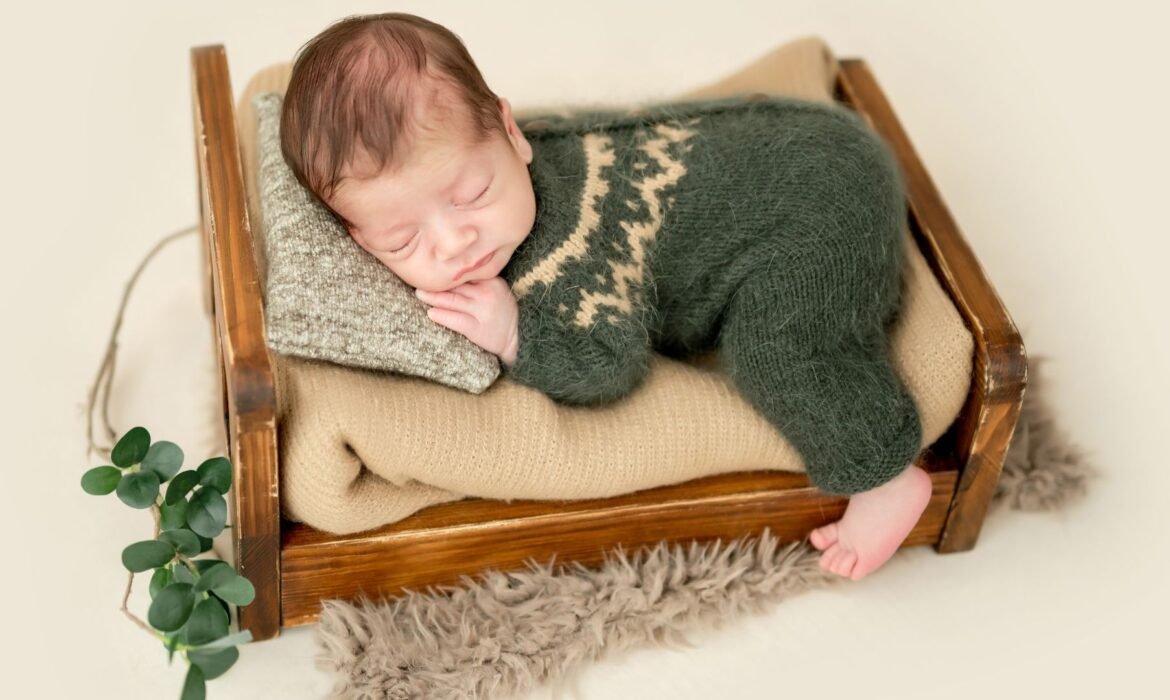
Once you have the right bed, the next step is styling it to match your desired theme. This is where the art of newborn bed photography truly begins. Use soft, neutral-colored blankets and throws to create a clean and cozy backdrop. Adding a few textured pillows or a knitted wrap can bring depth and interest to the scene.
Keep in mind that the baby should always be the focus of the image. The bed and surrounding props should complement, not overpower, the newborn. This balance is what makes newborn bed photography so effective—it enhances the baby’s natural beauty without becoming too busy or distracting.

Coordinating Colors and Themes
Color coordination plays a crucial role in newborn bed photography. Most photographers stick to pastel colors like baby blue, blush pink, and soft beige because they evoke feelings of warmth and purity. Matching the bed and blankets to the baby’s outfit or skin tone can also create a more harmonious image.
Many photographers choose themes for their sessions. For example, a woodland theme might include a rustic wooden bed, greenery, and earthy tones. A princess theme might use a delicate white bed, soft pinks, and lacey details. Whatever theme you choose, ensure it’s safe and comfortable for the baby, and that it keeps the focus on their expressions and features.
Lighting and Angles in Newborn Bed Photography
Good lighting is one of the most important aspects of any photography style, and newborn bed photography is no exception. Natural light is the most preferred option, especially soft window light that provides a gentle glow without creating harsh shadows. Position the bed close to a window, and use a diffuser or sheer curtain to soften the light if necessary.
Artificial lighting can also be used, especially when shooting in studios. Continuous softboxes or LED panels help maintain a consistent lighting environment. When using lighting, always ensure that it’s not too warm or too cold, as extreme color temperatures can affect the baby’s skin tone and overall image quality.
The angle of the shot can dramatically influence the outcome. Overhead shots are popular because they highlight the baby’s facial features and the bed setup in one frame. Side angles can show more depth and allow for creative use of props in the foreground and background.

Safety First in Every Setup
One of the cardinal rules of newborn bed photography is prioritizing safety at all times. Newborns are fragile and unpredictable. Every pose, prop, and setup must be designed with safety in mind. Never leave the baby unattended on the bed, even for a moment. If using elevated props, always have a spotter close by, preferably the parent or an assistant, ready to intervene.
Always test the stability of the bed before placing the baby on it. Make sure the mattress or padding is firm enough to support the baby without risk of suffocation or imbalance. Avoid using heavy or hard objects as props near the baby.
Many poses in newborn photography are actually composites—images merged together during editing to ensure safety without sacrificing creativity. This is another reason why partnering with a professional image editing service like Cloud Retouch is so valuable. We can help you merge your composite shots seamlessly while maintaining image quality and realism.
Editing and Enhancing Newborn Bed Photography
After capturing your shots, editing is the next critical step in creating stunning newborn bed photography. Post-processing helps enhance skin tones, remove unwanted distractions, and fine-tune colors and lighting to match the overall theme.
When editing newborn photos, subtlety is key. The goal is to preserve the baby’s natural appearance while correcting minor imperfections. At Cloud Retouch, we specialize in baby and newborn photo editing. Whether it’s softening skin, removing flakes, adjusting lighting, or blending composite images, our editing professionals make sure every photo looks polished and professional.
To see some of our editing capabilities, visit Cloud Retouch. We provide affordable, high-quality image editing services tailored to newborn photographers around the world.

Advanced Tips for Perfecting Newborn Bed Photography
As you gain more experience with newborn bed photography, you’ll want to explore more advanced techniques to refine your creative style and produce stand-out images. One such method is layering textures. Layering different materials such as fur rugs, knit blankets, and lace wraps can create a three-dimensional look that adds depth and character to the composition. These layers not only add visual interest but also help make the newborn appear more comfortable and cocooned.
Another tip is to play with negative space. Sometimes, leaving areas of the frame empty, especially in overhead shots, can make the baby the obvious focal point. It gives your photograph a minimalist feel, which can be very appealing for certain clients.
You might also experiment with shadows and contrast. While soft, even lighting is the norm for newborn bed photography, a bit of controlled contrast can add emotion and richness to an image. Try positioning your light source slightly to the side or above for gentle shadows that sculpt the baby’s form and highlight facial features.
Using Seasonal Themes and Special Props
Incorporating seasonal or holiday themes into your newborn bed photography can make sessions even more memorable. For example, in winter, you could use a white wooden bed with soft snowflake-patterned blankets, silver props, and pinecones for a holiday vibe. In autumn, think of rustic beds with earthy-toned wraps, small pumpkins, and fallen leaves.
Springtime themes work beautifully with floral arrangements, light pastels, and airy textures. Summer setups could include nautical props like tiny life preservers, anchor motifs, or seashells—always keeping everything soft and baby-safe.
If you’re using these seasonal themes, be sure not to go overboard. The bed should remain the centerpiece, with the baby as the main subject. Any seasonal props should enhance the setting subtly. This keeps your newborn bed photography classy, timeless, and beautiful.

Making Parents a Part of the Session
While the baby is the focus, including parents in some shots can create emotionally powerful images. You can place the baby on a newborn bed with mom or dad’s hands gently cradling their head or feet. This simple touch adds warmth, tenderness, and a sense of protection to the shot.
These moments often turn out to be some of the most cherished. Having parents interact slightly—placing a gentle kiss or softly adjusting a blanket—brings a human touch that enhances the photograph.
When including family members, consider neutral-colored clothing that won’t distract from the scene. Make sure the bed and surrounding setup still highlight the baby. Soft poses and gentle lighting continue to be essential.
Building a Portfolio with Newborn Bed Photography
If you’re building a photography portfolio or looking to attract more clients, newborn bed photography is a must-have style in your collection. The charm and versatility of bed setups make them popular among parents, especially those who want timeless, clean, and heartfelt images of their newborn.
To build your portfolio, start by photographing friends’ or family members’ newborns if you’re still gaining experience. Showcase various themes, color schemes, and bed styles. Over time, you’ll refine your preferences and artistic voice.
Make sure to use consistent editing styles across your portfolio for a professional finish. If you need help editing your photos, our team at Cloud Retouch can enhance your newborn images with natural, soft touches that elevate your work while preserving its authenticity.
You can also showcase your work on platforms like Instagram and Pinterest, which are highly visual and ideal for photography marketing. Use relevant hashtags such as #newbornphotography, #babyphotographer, and #newbornbedphotography to reach your target audience.

Working with Difficult Newborns During a Shoot
Every photographer eventually encounters a newborn who is fussy, alert, or uncomfortable during a session. This is completely normal and requires a gentle, patient approach.
Begin by ensuring the studio or shoot location is warm enough. Babies are most content when cozy, so keeping the temperature slightly warmer than room temperature helps. Use white noise machines or soft lullabies to create a soothing environment.
Start with simpler poses—such as having the baby lie naturally on their back in the bed—and gradually transition into more elaborate setups once they are asleep. Sometimes, working around the baby’s comfort and rhythm yields better results than trying to stick to a strict plan.
The beauty of newborn bed photography is its flexibility. Because the bed is already a comfortable and familiar environment, it often helps calm even the most unsettled babies.
Behind-the-Scenes: What Clients Don’t See
Behind every gorgeous newborn bed photography shot is thoughtful planning, setup, and post-production. Clients often only see the finished image, not the work involved in selecting the right props, adjusting lighting, calming the baby, and editing afterward.
Photographers often spend hours planning each session—from choosing the bed style to matching wraps and coordinating colors with the client’s preferences. On shoot day, they must be prepared to adapt, sometimes shifting the entire setup to get the baby comfortable or catch a fleeting smile.
Afterward, editing takes time. Skin tones are corrected, small flakes or red spots are removed, and compositions are polished. This is why many professional photographers choose to partner with photo editing services like Cloud Retouch. Our experienced editors handle all the post-processing, allowing photographers to focus on creativity and client satisfaction.

The Emotional Power of Newborn Bed Photography
There’s something undeniably moving about a perfectly captured image of a baby resting peacefully on a tiny bed. These images convey purity, love, and the beginning of life’s journey. Newborn bed photography taps into a universal emotional language—it reminds viewers of family, warmth, and hope.
That’s why it continues to be one of the most sought-after photography styles. Whether it’s displayed in a nursery, included in a birth announcement, or shared on social media, these photos make a lasting impact.
Final Thoughts: Elevating Your Newborn Bed Photography
If you’re serious about excelling in newborn bed photography, consistency, creativity, and post-production are the keys to success. The bed may seem like a simple prop, but with the right styling, lighting, and editing, it becomes the foundation of some of the most heartwarming images you’ll ever take.
Whether you’re just starting or already a professional, remember that each baby is unique. Approach every session with patience and respect, and you’ll be rewarded with images that tell a beautiful story.
And don’t forget—editing can make or break the final image. Let Cloud Retouch help you polish your newborn bed photography with professional image editing that enhances without overpowering. From subtle skin retouching to full compositing, our services are trusted by photographers worldwide.
Visit Cloud Retouch to learn more and see how we can bring your baby photography to life with our expert image editing services.
Best Blankets for Newborn Photography
Newborn photography is one of the most heartwarming genres in the photography world. Those first few days of a baby’s life are filled with precious expressions, tiny fingers, and moments that pass far too quickly. Capturing these memories through professional photos is a cherished tradition for many families. But while a skilled photographer and a peaceful baby are key components, the props—especially the newborn photography blankets—can make or break the final image.
Blankets used in newborn shoots are more than just soft surfaces. They provide comfort, safety, aesthetic appeal, and the right backdrop that enhances the baby’s delicate features. Choosing the best newborn photography blankets requires careful consideration of texture, color, size, material, and even safety standards. In this article, we’ll explore everything you need to know about choosing the right blanket for newborn photography, compare some popular options, and guide you toward making a smart purchase decision.

Why Newborn Photography Blankets Matter
When you look at a beautifully composed newborn photo, chances are the background and props work in perfect harmony to bring focus to the baby. That soft, cozy blanket the baby is resting on isn’t just there for comfort—it plays a big role in setting the mood and theme of the photograph.
Newborn photography blankets help create a soothing environment. Babies are highly sensitive, and being placed on a rough or uncomfortable surface can make them fussy or upset. Using a high-quality blanket ensures the baby stays warm and comfortable, allowing for longer sessions and more natural poses. Additionally, blankets act as an aesthetic backdrop, helping photographers control color tones, contrast, and visual appeal. The texture of a blanket can add dimension, while neutral tones keep the baby as the focal point.
Professional photographers often invest in multiple newborn photography blankets to match different themes and moods. Whether you’re going for a rustic, minimal, vintage, or colorful setup, the right blanket adds professionalism and polish to your newborn images.

Materials to Look for in Newborn Photography Blankets
The material of the blanket is crucial not only for comfort but also for the quality of the photograph. Certain fabrics photograph better than others, and they can help achieve a variety of textures and lighting effects.
One of the most popular materials for newborn photography blankets is soft knit. Knit blankets offer a beautiful texture and can stretch to wrap around posing pillows or props. They also come in many colors and designs, making them versatile. Fleece and faux fur are also common choices, as they offer plush comfort and a luxurious appearance on camera. Muslin and cotton blankets, especially in neutral shades, are perfect for achieving minimalist looks and are often used as layering pieces.
When choosing a blanket material, always opt for hypoallergenic and breathable fabrics. Babies have delicate skin, so materials free from harsh chemicals or dyes are essential. Organic cotton is an excellent choice for health-conscious parents and photographers aiming for eco-friendly props.

Size and Thickness Considerations
Not all blankets are created equal in terms of size and thickness. For newborn photography blankets, the ideal size should be large enough to cover the posing surface and allow the baby to be positioned freely. Typically, a size around 50×60 inches is suitable, but some photographers prefer even larger sizes for full backdrops.
Thickness matters too. A blanket that is too thin may wrinkle easily or fail to cushion the baby properly, while an overly thick one can cause the baby to sink in too deeply, making posing difficult. The best practice is to layer a photography blanket over a posing bean bag or other soft base to achieve the desired firmness and contour.
Photographers often use multiple blankets in a session—not just for variety, but also to build up layers for better posing. You can place a textured blanket on top of a smoother base layer, adding dimension without compromising on comfort.

Colors and Patterns that Work Best
Color is a powerful tool in photography, especially in newborn photography where the baby’s skin tone is delicate and must be enhanced, not overpowered. Newborn photography blankets come in a range of colors, but choosing the right shades is essential for achieving timeless and flattering images.
Neutral colors such as beige, ivory, gray, and blush pink are universally loved by photographers because they complement most skin tones and provide a soft, classic look. Earthy tones and pastels also photograph beautifully, offering gentle contrasts without being distracting. If you want to go bold, deeper shades like forest green, navy blue, or burgundy can create a moody, dramatic aesthetic—but should be used with caution and proper lighting.
Patterns should be subtle. Loud prints and busy designs can detract from the baby’s presence in the photo. Textured solids—like waffle knit, cable knit, or fur—add enough visual interest without stealing focus from the newborn.

Popular Types of Newborn Photography Blankets
There are several types of newborn photography blankets available today, each serving a different function. Stretchy knit blankets are widely used because they conform easily to props and posing forms. These are perfect for swaddling the baby or as a top layer on beanbags.
Faux fur blankets are ideal for cozy, luxurious shots. Their fluffy texture adds depth and softness to the image, and babies often enjoy the plush feel. These blankets often appear in winter or holiday-themed shoots.
Layering blankets are thin, flat, and often made of cotton or muslin. They are usually used beneath the main blanket to add thickness, shape, or subtle texture. These can also help in achieving better posture and comfort during poses.
Specialty blankets with scalloped edges, lace, or hand-knit patterns are great for stylized photo sessions. Though they might not be suitable for every shoot, having a few of these unique options can help a photographer stand out in a crowded market.
Where to Buy the Best Newborn Photography Blankets
Today, you can find high-quality newborn photography blankets from many online retailers, photography prop shops, and even handmade marketplaces like Etsy. Each platform offers a different variety in terms of quality, price, and uniqueness.
Amazon offers a wide selection of blankets with user reviews, making it easy to compare products before buying. You can explore options here on Amazon. Etsy is known for artisan-made items and customizable props. If you’re looking for something handmade and unique, it’s worth checking out this collection on Etsy.
Specialist newborn photography prop sites like Hello Little Props and Luneberry provide premium-quality blankets tailored for professional photographers. These blankets might cost a bit more but are made specifically for studio settings with photography in mind.
When choosing where to buy, consider your budget, the shoot’s theme, and how frequently you plan to use the blanket. Investing in a few high-quality staples can save you money in the long run and help establish your brand as a photographer.

Caring for Your Newborn Photography Blankets
Once you’ve invested in high-quality newborn photography blankets, it’s essential to maintain them properly to ensure longevity and hygiene. Babies are sensitive, and even small particles or residues can cause irritation. That’s why cleanliness is a top priority for every professional newborn photographer.
Always wash blankets with baby-safe, fragrance-free detergents. Avoid fabric softeners or bleach, as these can affect the texture and irritate a newborn’s skin. It’s best to air-dry blankets to preserve their shape and texture, especially if they’re made from delicate materials like faux fur or hand-knit yarn.
Proper storage is also important. Keep your newborn photography blankets in a clean, dry container or dedicated drawer. Folding them neatly and storing them flat helps avoid creases and damage. Some photographers prefer to roll their blankets to prevent fold marks, especially for shoot-ready setups.
Over time, even the highest-quality blankets may show signs of wear. Regularly inspecting for lint, loose threads, or fading ensures your blankets are always shoot-ready and safe for babies.

Safety Considerations When Using Photography Blankets
While style and comfort are important, safety should never be overlooked. When using newborn photography blankets, it’s crucial to ensure the baby’s positioning is secure and comfortable. Always work with a spotter—usually a parent or assistant—to keep an eye on the baby during each pose.
Never place a baby on a high or unstable surface, even if it’s cushioned with a blanket. Use weighted bases and posing cushions beneath your blankets to stabilize the setup. Avoid blankets with embellishments like sequins or loose threads that could become choking hazards.
Also, make sure the blankets are breathable. Babies can overheat quickly, so avoid using multiple thick layers in warm environments. Keep the room temperature comfortable and have a fan or air conditioner on standby during extended sessions.
Remember, the goal of newborn photography is to capture peaceful, dreamy images. When the baby is safe and comfortable, these magical moments are much easier to achieve.
How to Choose the Right Blanket for Your Style
Every photographer has a unique visual style, and your props should reflect that. Choosing the best newborn photography blankets for your shoots depends on your branding, the types of clients you serve, and the overall aesthetic you’re trying to build.
If your portfolio focuses on natural light, neutral tones, and organic textures, opt for soft cottons, muslins, and beige fleece blankets. On the other hand, if you love dramatic, styled sessions, you might lean toward rich velvets, faux furs, or vibrant color palettes. Texture is a big part of storytelling in newborn photography—so think about how a blanket’s pattern or weave contributes to the narrative of each image.
It’s also important to consider gender-neutral options for those sessions where the parents have not specified a theme. Having a few versatile newborn photography blankets that work in any scenario ensures you’re prepared for last-minute changes and quick session turnarounds.

The Role of Image Editing in Newborn Photography
Even with the perfect blanket and lighting, newborn photography often requires some level of post-processing. Minor skin touch-ups, color corrections, and background smoothing can elevate a good photo into a stunning one. That’s where professional image editing comes in.
Photographers who want to deliver polished, consistent results often rely on expert editors who understand the subtle art of retouching newborn photos. At Cloud Retouch, we offer specialized image editing services tailored to photographers. Whether it’s removing wrinkles from blankets, smoothing out fabrics, adjusting colors, or enhancing skin tones, our team ensures that your final images reflect the highest level of quality and care.
Using image editing services saves you valuable time and helps you maintain a strong professional brand. Instead of spending hours on Photoshop, you can focus on shooting and building client relationships while we handle the technical edits behind the scenes.
Final Thoughts: Investing in the Best Blankets for Newborn Photography
In the world of newborn photography, the smallest details can make the biggest difference. The choice of newborn photography blankets is not just about aesthetics—it’s about safety, comfort, and storytelling. A well-chosen blanket acts as both a practical base and an artistic tool, helping to elevate your images to professional standards.
From knit to faux fur, from pastel to bold hues, there’s a perfect blanket for every newborn shoot. By considering texture, color, size, and material—and by shopping smartly from trusted sources—you can build a versatile and beautiful collection of props that your clients will love.
And don’t forget, once you capture those tender moments, Cloud Retouch is here to help you perfect them. We specialize in image editing services for photographers and can help you turn a great shoot into a flawless final gallery. Visit us at cloudretouch to learn more and see how we can support your creative journey.
So whether you’re just starting your photography business or expanding your studio’s offerings, investing in the right newborn photography blankets is a decision that pays off in every peaceful smile and precious pose you capture.
Dad and Newborn Photography: Heartwarming Ideas
The bond between a father and his newborn child is one of the most touching and powerful connections in the world. Capturing that bond through dad and newborn photography has become a cherished way to preserve those early moments. Whether it’s the soft touch of a father’s hand cradling his baby or the gentle look in his eyes, these photos hold deep emotional value for families. In this article, we will explore everything you need to know about dad and newborn photography, from heartwarming photo ideas to tips on preparing for the shoot. Whether you’re a new parent or a photographer looking for inspiration, this guide offers meaningful insight and helpful suggestions.
Why Dad and Newborn Photography Is So Special
Traditionally, newborn photography often focused on the baby and the mother. However, more people are realizing the importance of including fathers in these special portraits. Dad and newborn photography isn’t just about cute photos—it’s about showcasing the emotional connection, strength, and tenderness fathers share with their newborns. These images highlight moments that pass quickly in real life but last forever in photographs.
Fathers today are more involved than ever in parenting, from diaper changes to late-night feedings. Capturing this new era of active fatherhood helps create lasting memories that can be treasured for generations. These photos tell a story, often without words, and they serve as a powerful reminder of the love and responsibility that come with fatherhood.

Planning Your Dad and Newborn Photography Session
Planning is essential for a successful dad and newborn photography session. One of the most important aspects to consider is timing. Newborns are best photographed within the first two weeks of birth, ideally between 5 to 14 days old. At this stage, they sleep often, curl up easily, and are less likely to fuss during the session. Fathers should also be rested and relaxed to ensure the session goes smoothly.
Choosing a location is another key step. Many parents opt for a cozy indoor shoot at home or in a professional studio. Home sessions often feel more intimate, while studio settings can provide controlled lighting and props. Both options can be perfect for dad and newborn photography, depending on your goals and comfort level.
Posing Ideas for Dad and Newborn Photography
When it comes to posing, natural is always best. Dads don’t need to be models to create beautiful and meaningful photos with their newborns. Simple poses like holding the baby against the chest, cradling the newborn in their arms, or resting together on a couch or bed can be incredibly moving. Some of the most touching images are captured when the father is gazing at the baby or gently kissing their forehead.
Skin-to-skin shots are also very popular. These photos, which often feature a shirtless dad holding a swaddled baby, emphasize the closeness and emotional bond between parent and child. Another timeless idea is capturing the baby’s tiny hand wrapped around a father’s finger—an image that symbolizes protection and care.
Close-up portraits of just the hands or the baby lying on the father’s chest can add a variety of angles to the shoot. The key in dad and newborn photography is to create images that feel genuine, not forced.

Creating an Emotional Atmosphere
To achieve truly heartwarming dad and newborn photography, it’s important to create an emotional atmosphere during the session. This can be done through soft lighting, gentle music, and calm surroundings. A peaceful environment allows both dad and baby to relax and interact naturally, which results in more authentic photos.
Encourage dads to talk to their babies, sing lullabies, or simply cuddle. These moments of connection often result in the most powerful and memorable shots. Emotions like joy, love, and awe should shine through every frame.
Professional photographers often use natural light to create a warm and inviting mood. Window lighting is especially popular, as it produces soft shadows and a flattering glow. This approach helps to capture the warmth of dad and newborn photography in a beautiful, artistic way.
Choosing the Right Outfits and Props
What you wear during a photoshoot plays a big role in the final result. For dad and newborn photography, simple clothing is usually best. Neutral colors like white, beige, gray, or soft blues work well and keep the focus on the relationship between the father and baby. Avoid clothing with busy patterns, logos, or bright colors that can distract from the moment.
Props can add charm, but they should be used sparingly. A soft blanket, a meaningful item like a father’s wedding ring, or a sentimental object from the baby’s nursery can enhance the story being told. However, it’s important not to overdo it. The emotional bond should always be the central focus of the photograph.
Some popular setups include the baby swaddled in a knitted blanket, resting on dad’s arm, or both of them lying on a bed with natural sunlight filtering in. You can find inspiration from photo galleries on professional photography websites such as Katelyn James Photography or ShootProof.

Safety First: Keeping Baby Comfortable
Safety is a top priority during any newborn photography session. Photographers and parents should make sure the baby is always supported and never placed in a position that could be unsafe. It’s a good idea to have someone nearby to spot the baby, especially when the dad is holding the baby in creative or slightly elevated poses.
Keep the room warm and comfortable, as newborns are sensitive to temperature changes. Feeding the baby before the session can help keep them calm and sleepy. Dads should also wash their hands and make sure their nails are trimmed before handling the baby, since newborns have delicate skin.
For photographers who are new to dad and newborn photography, it’s beneficial to learn newborn safety techniques through online courses offered by professionals such as Kelly Brown.
Capturing Candid Moments
While posed photos are lovely, candid shots often carry the most emotion. These images happen naturally, like when a dad is feeding the baby, changing a diaper, or simply gazing at their newborn with wonder. These real-life moments tell stories of early fatherhood that staged photos can’t always capture.
Candid shots can be taken in between posed ones. Sometimes, the most powerful photos are the ones taken when no one thinks the camera is clicking. That spontaneous laugh, a gentle yawn, or the baby grabbing their dad’s nose can become a priceless memory.
Encourage dads to just be themselves during the shoot. Let them interact with their newborn the way they naturally would at home. Dad and newborn photography shines brightest when it reflects the truth of their relationship.

Lighting Tips for Dad and Newborn Photography
Lighting is a key element that can make or break your dad and newborn photography session. Natural light is often preferred because it creates a soft, warm effect that matches the emotional tone of the photos. If you’re shooting indoors, try to position your subjects near a large window where sunlight streams in. Early morning or late afternoon light works best, as it’s less harsh than midday sun.
If natural light isn’t available, using diffused studio lighting can also create stunning results. Softboxes or ring lights can help mimic natural light and reduce shadows. The goal is to keep lighting gentle and flattering, especially for a baby’s sensitive skin. Avoid using direct flash, which can be too bright and startling for newborns.
Shadows can also be used creatively to add depth to your dad and newborn photography. For example, the outline of a father holding his baby with light coming from behind can make for a very dramatic and heartwarming shot.
Editing and Retouching Dad and Newborn Photography
Once the session is done, the next important step is editing. Even the most well-lit and beautifully composed photos can benefit from gentle retouching. In dad and newborn photography, editing should be subtle and respectful of the natural beauty of the subjects.
You may want to smooth out skin tones, adjust lighting, or remove small distractions in the background. Avoid over-editing, especially when working with newborns. The goal is to enhance, not change the moment.
Professional image editing services like Cloud Retouch specialize in enhancing dad and newborn photography. We offer high-quality editing that maintains the authenticity of the moment while giving your photos a polished, professional finish. Whether you’re a photographer working with client photos or a parent who wants to improve your family portraits, Cloud Retouch is here to help bring out the best in your images.

Dad and Newborn Photography in Black and White
Black and white photography can add a timeless, emotional quality to dad and newborn portraits. Without the distraction of color, the viewer is drawn to the expressions, textures, and emotions in the image. This style is perfect for showcasing the strength of a father’s embrace or the softness of a sleeping baby.
You can convert your images to black and white during post-processing. Focus on contrast, clarity, and lighting to make the image stand out. This classic approach is especially powerful when the photo includes close-up details like hands, tiny feet, or soft facial expressions.
Well-known family photographers like Sue Bryce often incorporate black and white styles into their work to create lasting visual stories. It’s a great idea to experiment with both color and monochrome versions of your photos to see which best conveys the emotions you want to preserve.
Including Siblings or Family Members
While the focus of dad and newborn photography is clearly on the father and baby, including other family members can add an extra layer of meaning. If there are older siblings, capturing them interacting with the baby and their dad can make for beautiful storytelling.
These moments often include group cuddles, shared laughter, or older children looking at the baby with curiosity. It helps document the growing family and the special role a father plays in connecting everyone together.
Grandparents, especially grandfathers, can also be part of the session. Including multiple generations creates a deeper narrative and brings emotional value that will be appreciated in years to come. When incorporating more people, it’s important to still center the father and baby while using the others to complement the scene.

Seasonal Themes and Holiday Ideas
Adding a seasonal or holiday theme to your dad and newborn photography session can make it extra special. During the winter, fathers holding their newborns in cozy blankets by the fireplace can make for magical holiday cards. In the spring, outdoor photos under blooming trees add freshness and life to the shots.
You can also create personalized themes, such as sports, music, or hobbies that reflect the father’s interests. A dad who plays guitar might cradle the baby in a guitar case lined with a soft cloth. A father who loves books could be photographed reading to his newborn. These ideas bring personality into the photos and tell a story about the dad’s life and passions.
Be sure to keep themes subtle and safe. The baby’s comfort and security should always come first. Props should be soft and poses should be gentle and natural.
Cultural and Lifestyle Representation in Dad and Newborn Photography
One of the beautiful aspects of dad and newborn photography is its versatility across cultures and lifestyles. Every family has a unique story, and these stories deserve to be told through inclusive and respectful photography. Cultural garments, traditional rituals, or special items from a family’s heritage can be tastefully included to create meaningful memories.
For example, in some families, it’s traditional for fathers to wear a specific outfit or to bless the baby during the first few days. Including these moments in your photo session adds richness and authenticity. Lifestyle photography, which captures people in real-life situations, is also a wonderful approach. Fathers playing with their newborns, feeding them, or simply rocking them to sleep are everyday moments that reflect deep love and care.
Photographers should communicate openly with families to understand what is meaningful to them and how best to represent their traditions. These details add depth and character to every frame.

Sharing and Preserving the Memories
Once you’ve completed your dad and newborn photography session and edited the images, it’s time to think about how to share and preserve them. Many families create photo albums or wall art to display their favorite shots. You might also consider making a photo slideshow or video montage set to music.
Sharing photos on social media is another way to celebrate your new family journey. If you’re a photographer, you can share your work on platforms like Instagram, Pinterest, or your personal portfolio. Just make sure to get permission from the family before posting.
To preserve your memories for the long term, consider creating a high-quality printed album. Websites like Artifact Uprising or Shutterfly offer beautiful, custom albums that are perfect for showcasing dad and newborn photography.
Conclusion: The Lasting Impact of Dad and Newborn Photography
Dad and newborn photography goes beyond just taking pictures—it’s about celebrating the emotional bond between a father and his newborn child. These images tell a story of love, strength, and connection that words often can’t express. Whether you’re documenting those first precious days as a parent or capturing candid moments as a photographer, these photos become lifelong treasures.
Every image reflects not only a fleeting moment but also a deep relationship that will grow with time. Including fathers in newborn photography creates a more complete and emotionally rich portrayal of the family unit. It’s an investment in memories that will be passed down for generations.
If you’re looking to enhance your dad and newborn photography with professional editing, Cloud Retouch is here to help. Our expert image editing services will give your photos the polish they deserve while preserving the authenticity of every moment. Let us help you turn those heartwarming memories into timeless pieces of art.
Explore our services today and see how Cloud Retouch can make your photography shine.
10 Creative Lifestyle Photography Ideas to Inspire Your Next Shoot
Lifestyle photography is an art form that captures the essence of life, focusing on real moments, real people, and natural beauty. If you’re a photographer looking for some fresh inspiration, you’re in the right place. In this article, we will explore 10 creative lifestyle photography ideas to help you elevate your next shoot and capture stunning, meaningful moments.
Whether you’re photographing a family, a couple, or an individual, lifestyle photography can create emotional, beautiful images that speak volumes. Let’s dive into these creative lifestyle photography ideas that will inspire you to tell stories through your camera lens.
1. Capture Candid Moments of Daily Life
One of the most powerful lifestyle photography ideas is to capture candid moments of daily life. These images show people in their natural environment, going about their routines, without posing or preparing for the shot. It could be a mother cooking in the kitchen, a father reading to his kids, or someone enjoying a peaceful moment with a cup of coffee.
The beauty of candid shots lies in their authenticity. They offer a glimpse into someone’s life and personality, showcasing the true emotion behind the scene. The next time you’re out shooting, try to blend into the background and focus on capturing spontaneous moments. By focusing on real interactions, you’ll create stunning images that tell a story.

2. Embrace Natural Light for a Soft, Dreamy Look
Lighting plays a crucial role in lifestyle photography. One of the best lifestyle photography ideas is to embrace natural light to create a soft, dreamy look. Natural light, especially during the golden hour (the hour before sunset or after sunrise), adds warmth and depth to your photos. It can create beautiful shadows, highlight textures, and bring out the best in your subjects.
When you’re planning your shoot, try to schedule it at times when natural light is abundant, like early in the morning or late afternoon. Avoid harsh midday sun, as it can create unflattering shadows. Instead, find locations with large windows or shaded areas to let the light filter through softly, enhancing the mood of your photos.
3. Focus on the Details
Sometimes, the beauty of lifestyle photography lies in the smallest details. Instead of always capturing wide-angle shots of the scene, try focusing on the finer details that tell the story. It could be the close-up of a hand holding a cup of tea, a pair of shoes left by the door, or the texture of a hand-knitted sweater.
These intimate, detailed shots bring attention to the little things that might otherwise go unnoticed. They allow the viewer to feel connected to the moment and immerse themselves in the environment. By incorporating details in your shoot, you can add depth and emotion to your lifestyle photography ideas.

4. Experiment with Lifestyle Outdoor Photography
Outdoor lifestyle photography offers endless possibilities for creative shoots. From beach sessions to mountain hikes, the great outdoors provides a dynamic and beautiful backdrop for any lifestyle shoot. You can play with natural elements such as trees, water, and open fields to create a sense of freedom and adventure in your photos.
Consider shooting in locations that hold personal significance for your subject, such as a favorite park, beach, or nature reserve. You can capture the subject interacting with their environment, whether they’re walking through the woods, sitting by a lake, or simply enjoying the fresh air. By taking your lifestyle photography outside, you bring a sense of life and movement into the images.
5. Tell a Story with Your Photos
One of the most exciting aspects of lifestyle photography is the opportunity to tell a story through your images. Instead of just taking random pictures, think about the narrative you want to convey. You could follow a person’s daily routine, document a special event, or show a journey from beginning to end.
For instance, you might capture a couple’s day from the moment they wake up in the morning, enjoying breakfast together, going for a walk, and then ending the day with a cozy evening at home. Each photo in the sequence should build on the story, showing different moments and emotions. This storytelling approach can create a compelling and cohesive set of images, making your lifestyle photography ideas even more engaging.

6. Play with Movement and Action
Another creative lifestyle photography idea is to incorporate movement and action into your shots. Rather than capturing still, posed images, try photographing your subjects in motion. Whether it’s a person dancing, a child running, or someone jumping for joy, action shots can add energy and excitement to your photos.
Movement also helps to create a sense of life in your images. It tells the viewer that something is happening, and they’re witnessing a moment in time. When shooting action shots, make sure to adjust your shutter speed to freeze the motion or create beautiful motion blur, depending on the effect you’re going for.
7. Use Props to Add Character
Props can be a fun and creative way to enhance your lifestyle photography ideas. Adding objects such as books, bicycles, vintage cameras, or even a favorite blanket can help set the scene and provide context for your photos. Props can also add personality to the shoot, making the subject feel more comfortable and relaxed.
For example, a couple might be photographed with their beloved dog, or a family might be shown enjoying a picnic in the park. Props can make your lifestyle photos feel more personal and give insight into the subject’s life and interests. Just be sure not to overwhelm the photo with too many props – the focus should always remain on the people and their story.

8. Incorporate Lifestyle Photography in Travel Settings
Travel is another fantastic way to explore lifestyle photography ideas. Capturing your subjects in different locations, whether they’re exploring a new city or relaxing on a tropical beach, adds variety and excitement to your photos. Travel photography often has the added benefit of beautiful surroundings, exotic locations, and the thrill of discovering new places.
As you shoot, focus on the emotions of the subjects and how they interact with the environment. You could photograph them admiring a stunning view, enjoying local food, or simply walking through vibrant streets. The beauty of travel lifestyle photography is that it combines adventure, exploration, and personal experiences into every frame.
9. Create a Cozy, Home-Based Atmosphere
Another popular lifestyle photography idea is to create a cozy, home-based atmosphere. This is especially great for shooting family moments or intimate portraits of individuals. Photographing people in their homes or in familiar, comfortable spaces can reveal a lot about their personalities and lifestyles.
Consider capturing moments of your subjects doing what they love at home – reading a book, playing an instrument, or cooking a meal. A cozy setting allows you to focus on emotions and interactions between people, creating images that feel warm and inviting. You can also experiment with different indoor lighting options, such as using lamps, candles, or even fairy lights, to add a soft glow to your photos.

10. Experiment with Different Perspectives
Sometimes, the most creative lifestyle photography ideas come from changing your perspective. Instead of always shooting from eye level, try different angles to add interest and uniqueness to your images. For example, you can shoot from above to capture a flat lay of items, or get down low to photograph a child playing on the floor.
Changing your perspective allows you to experiment with composition and focus, helping you create more dynamic and visually compelling photos. By taking a step back and considering different viewpoints, you’ll discover fresh ways to capture the world around you, making your lifestyle photography ideas stand out.
Conclusion
Lifestyle photography is about capturing the beauty of real life in a natural and authentic way. By experimenting with these 10 creative lifestyle photography ideas, you can take your shoots to the next level and produce stunning, meaningful images that tell powerful stories. Whether you’re focusing on candid moments, embracing natural light, or experimenting with new perspectives, there are endless ways to explore this genre of photography.
Incorporating lifestyle photography ideas into your work doesn’t just involve taking pictures – it’s about capturing life’s emotions, movements, and moments. So the next time you’re planning a shoot, remember to think creatively, stay inspired, and most importantly, enjoy the process of telling stories through your lens.
A Comprehensive Guide to Choosing the Best 360 Photography Equipment
360 photography is an exciting way to capture and share immersive, panoramic images and videos. Whether you’re a professional photographer or an enthusiast looking to dive into this innovative field, selecting the right 360 photography equipment is crucial. The equipment you choose will directly impact the quality of your photos and videos, as well as the ease of use, budget, and your overall creative experience.
In this comprehensive guide, we will walk you through everything you need to know about 360 photography equipment. From cameras to accessories, we’ll cover the essential factors to consider when choosing the best equipment for your needs.
Understanding 360 Photography
Before diving into the details of selecting 360 photography equipment, it’s important to understand what 360 photography is. In simple terms, 360 photography refers to the process of capturing images or videos that encompass a full 360-degree view of an environment. Unlike traditional photography, which focuses on a single frame, 360 photography creates immersive experiences that can be explored interactively, allowing viewers to look around in all directions.
This type of photography is often used in virtual reality (VR), real estate listings, travel blogs, live events, and more. The demand for 360 photography has increased significantly in recent years, leading to the development of specialized equipment designed for these types of images and videos.

What to Look for in 360 Photography Equipment
Choosing the best 360 photography equipment can be a daunting task, given the variety of options available. There are several factors you should consider to ensure you pick the right tools for your specific needs.
Camera Quality
The camera is the most important part of your 360 photography equipment setup. The quality of the camera will determine the sharpness, clarity, and overall visual appeal of your photos and videos. High-resolution cameras are essential for capturing detailed 360-degree images, so you should look for a camera that offers at least 4K resolution for video and 18 to 24 megapixels for still images.
Additionally, consider the camera’s stitching capabilities. In 360 photography, multiple lenses are used to capture different angles, and the images from these lenses need to be stitched together to create a seamless, spherical image. A camera with good automatic stitching software will save you time in post-production.
Ease of Use
While some 360 cameras are designed for professionals, others are built with beginners in mind. If you’re new to 360 photography, you’ll want equipment that is easy to use, with intuitive controls and user-friendly interfaces. Look for cameras with features like built-in touchscreens, mobile app support, and quick setup processes. Some cameras also have preset shooting modes that can simplify the process.
For professionals, advanced 360 photography equipment might offer more manual controls, which allow for finer adjustments and customization. These cameras may offer more robust options for stitching, editing, and image processing, giving photographers complete control over the final product.

Durability and Build Quality
Durability is another key factor when choosing 360 photography equipment, especially if you plan to use it in various environments or outdoor settings. Many 360 cameras are designed to be waterproof, shockproof, and dustproof, making them suitable for action shots, travel, and adventure photography. If you’re planning to use your equipment for extreme sports, travel, or underwater photography, make sure to check the camera’s ruggedness and resistance to weather conditions.
Additionally, consider the overall build quality of the camera. A solid, well-constructed camera will last longer and handle rough conditions better than a flimsy one. Look for reviews and user feedback on how well the camera holds up in real-world situations.
Battery Life
Battery life is a significant factor when using 360 photography equipment, as shooting high-resolution 360 photos and videos can drain the battery quickly. Look for cameras that offer long-lasting batteries or cameras that support external power sources. Some cameras also have the ability to swap batteries quickly, so you don’t have to stop shooting when the battery runs low.
If you plan to shoot long events, or travel for extended periods, the ability to recharge your 360 camera on the go is essential. Some cameras offer USB-C or micro-USB ports for easy charging, while others may have specialized charging docks.
Storage Capacity
360 photos and videos take up a lot of storage space due to their high resolution and wide coverage. When choosing 360 photography equipment, make sure the camera supports expandable storage via microSD cards or has sufficient internal storage for your needs. Cameras with a larger storage capacity can be more convenient for long shooting sessions, as you won’t have to worry about running out of space.
Keep in mind that you may also need additional storage devices, such as external hard drives or cloud storage, to back up and transfer your files. Some 360 cameras come with cloud storage services or offer apps to simplify the transfer of large files to your computer or mobile devices.

Best 360 Photography Cameras
There are many options available when it comes to 360 photography equipment, each offering unique features and capabilities. Here are some of the best 360 cameras currently on the market:
Insta360 One X2
The Insta360 One X2 is one of the most popular 360 cameras for both beginners and professionals. This camera offers 5.7K video resolution and 18 megapixel stills, making it an excellent choice for high-quality 360 photography. It also features FlowState stabilization, which helps create smooth, jitter-free video footage. One of the standout features of this camera is its ability to shoot in a variety of modes, such as “bullet time,” which allows you to create dynamic, spinning 360 videos.
Additionally, the Insta360 One X2 has an IPX8 water resistance rating, meaning it can be used in wet conditions or submerged in water up to 10 meters. It also has an intuitive touchscreen for easy operation and an accompanying mobile app for easy editing and sharing.
GoPro MAX
The GoPro MAX is another great option for 360 photography equipment. Known for its ruggedness and durability, the GoPro MAX offers 5.6K resolution for video and 16.6 MP stills. The camera’s built-in stabilization technology, known as Max HyperSmooth, ensures smooth footage even during fast movements. This camera is waterproof, drop-proof, and can handle harsh conditions, making it an ideal choice for outdoor adventures.
The GoPro MAX is easy to use and has a simple interface, allowing both beginners and professionals to take great 360 photos and videos with minimal effort. The camera also supports live streaming, which is useful for events and other real-time applications.
Ricoh Theta Z1
If you’re looking for a more professional-grade 360 photography camera, the Ricoh Theta Z1 is an excellent choice. This camera offers 23 MP resolution and 4K video, with two large sensors that capture high-quality images even in low-light conditions. The Ricoh Theta Z1 has advanced manual controls, allowing users to adjust settings like ISO, shutter speed, and white balance for more precise results.
While the Ricoh Theta Z1 is slightly more expensive than other options, it is widely regarded as one of the best cameras for high-end 360 photography. Its compact design makes it easy to carry, and the camera’s quality makes it a favorite among real estate photographers, professionals, and VR content creators.

Essential Accessories for 360 Photography Equipment
While the camera is the core of your 360 photography setup, several accessories can enhance your shooting experience and improve the results of your work.
Tripods and Mounts
A good tripod or mount is essential for stabilizing your camera and ensuring steady shots. Many 360 cameras come with their own mounting systems, but you may want to invest in a dedicated tripod or monopod for extra stability, especially when shooting long exposures or in challenging environments. Look for tripods designed for 360-degree cameras, as they are often compact and lightweight, making them easier to transport.
360 Camera Drones
If you want to capture aerial 360 photography, a drone is an excellent addition to your equipment. Drones with 360 cameras allow you to take photos and videos from unique perspectives that are impossible to achieve with traditional cameras. Some drones come with built-in 360 cameras, while others allow you to mount a 360 camera on the drone for more versatile shooting options.

Editing Software
Once you’ve captured your 360 photos and videos, you’ll need software to stitch, edit, and enhance them. Many 360 cameras come with their own editing apps, but you may want to explore other options for more advanced features. Some popular 360 photo and video editing software includes Adobe Premiere Pro, Final Cut Pro, and specialized tools like Insta360 Studio and Ricoh’s Theta app.
These editing tools allow you to adjust the stitching, trim footage, add effects, and share your creations with others. Depending on your needs, you may also want software that supports VR content creation or live-streaming functionality.
Protective Cases
To protect your 360 photography equipment during transport, consider investing in a durable, padded case. Many manufacturers offer custom-fit cases for their cameras, ensuring that your equipment remains safe and secure while traveling. Protective cases are particularly important if you plan to take your 360 camera on outdoor adventures or trips.

Conclusion
Choosing the right 360 photography equipment is essential for getting the best results in your photography or videography projects. Factors such as camera quality, ease of use, durability, battery life, and storage capacity all play a role in selecting the right gear for your needs. By considering these factors and exploring different 360 camera options, you can find the equipment that will help you capture stunning, immersive 360-degree photos and videos.
With the wide variety of 360 photography equipment available, there is something for everyone, from casual users to professional photographers. As the technology continues to evolve, we can expect even more exciting developments in the world of 360 photography, making it an exciting time to get started with this innovative form of photography.
Mastering Lifestyle Product Photography: A Comprehensive Guide for 2025
In the ever-evolving world of e-commerce and digital marketing, lifestyle product photography is emerging as one of the most essential tools to grab customers’ attention. Lifestyle images breathe life into products, showing them in real-life scenarios that resonate with the audience. Whether you’re a professional photographer, an online seller, or simply someone looking to upgrade their photography skills, mastering lifestyle product photography in 2025 will give you a strong edge in the competitive market.
This comprehensive guide dives deep into lifestyle product photography techniques, tools, and strategies to ensure your product visuals are both captivating and effective. Read on to discover how to create stunning lifestyle shots that elevate brands and drive engagement.

What Is Lifestyle Product Photography?
Lifestyle product photography is a style of photography that features products in realistic, everyday settings. Unlike plain studio shots with a white background, this type of photography tells a story. It helps customers envision how the product fits into their lives. For example, a photo of a coffee mug being held by someone on a peaceful morning instantly connects with the viewer, creating a sense of warmth and familiarity.
By placing products in carefully curated settings, lifestyle product photography highlights the product’s use, benefits, and aesthetics. It’s no longer just about showcasing a product; it’s about creating an emotional connection. As trends evolve in 2025, brands are increasingly using this type of photography to set themselves apart from competitors.
Why Is Lifestyle Product Photography Important in 2025?
The importance of lifestyle product photography has grown tremendously in recent years. With the surge in online shopping, customers now expect high-quality images that inspire trust and confidence. Lifestyle images do just that. They allow people to see products in context, helping them understand how these products solve problems or enhance their lives.
In 2025, businesses face an even higher demand for engaging visuals. Platforms like Instagram, Facebook, Pinterest, and TikTok heavily rely on visual content, making lifestyle product photography essential for marketing strategies. Brands that master this form of photography can create memorable campaigns that lead to higher conversion rates, increased brand loyalty, and improved customer engagement.
Additionally, search engines favor visually appealing content. As a result, businesses that integrate lifestyle product photography into their websites and social media platforms will see improved search rankings. This means greater visibility, more traffic, and better opportunities for growth.

Essential Equipment for Lifestyle Product Photography
While talent and creativity play a significant role in lifestyle product photography, having the right tools is equally important. To achieve professional-quality images, consider investing in the following essentials:
Camera: A DSLR or mirrorless camera is ideal for lifestyle product shots. These cameras offer better resolution, image clarity, and control over lighting and focus.
Lenses: A versatile lens, such as a 50mm or 85mm, works best for lifestyle shots. These lenses provide beautiful depth of field and sharp focus, allowing your products to stand out.
Lighting: Natural light is often the best choice for lifestyle product photography, as it creates a soft and natural appearance. However, artificial lights, such as LED panels or softboxes, can help in low-light conditions or for controlled setups.
Tripod: A sturdy tripod ensures sharp and stable images, especially in longer exposure scenarios.
Props and Backgrounds: Props add context and character to your product shots. Choose props that align with the product’s theme without overwhelming the main subject.
Editing Software: Post-processing tools like Adobe Photoshop and Lightroom allow you to fine-tune colors, lighting, and composition to create polished final images.
While it’s possible to start with basic equipment, upgrading to professional tools over time will greatly enhance the quality of your lifestyle product photography.

Tips for Planning a Lifestyle Product Photography Shoot
Before diving into a lifestyle product photography shoot, it’s important to plan effectively. A well-thought-out plan ensures you get the most out of your time and resources.
Understand the Brand and Product: Start by understanding the product’s features, target audience, and purpose. This will help you determine the mood and story your images need to convey.
Create a Mood Board: Collect inspiration from websites, magazines, or social media to define your shoot’s style. A mood board will serve as a guide for colors, props, poses, and overall aesthetic.
Choose the Right Location: The setting is critical for lifestyle product photography. Whether you choose a cozy home interior, an outdoor park, or a bustling city street, make sure the location complements the product and adds authenticity.
Prepare Your Props: Props are key to telling a compelling story. Use items that enhance the product without distracting from it.
Plan the Composition: Decide on angles, framing, and focal points beforehand. Test different perspectives to showcase the product in its best light.
By planning thoroughly, you can execute your shoot efficiently and achieve professional results.

Techniques for Perfecting Lifestyle Product Photography
Once you’ve planned your shoot, it’s time to focus on execution. Here are techniques to elevate your lifestyle product photography to the next level:
Use Natural Light: Whenever possible, leverage natural light to create soft and authentic imagery. Shooting near windows or outdoors during golden hour (just after sunrise or before sunset) produces flattering results.
Tell a Story: The essence of lifestyle product photography is storytelling. Instead of capturing a product alone, include real-life elements such as people using the product or props that reflect its purpose.
Focus on Composition: Apply the rule of thirds, leading lines, and depth of field to create visually pleasing compositions. Experiment with different angles and perspectives to keep the shots dynamic.
Showcase Product Details: Highlight the product’s unique features. Close-up shots, textured backgrounds, and creative lighting help emphasize the product’s quality.
Use a Consistent Style: Maintaining a consistent look across all your product photos helps create brand identity. Use similar color tones, lighting setups, and editing styles for a cohesive visual presentation.
By combining these techniques, you can ensure your lifestyle product photography stands out in a competitive market.

Editing and Post-Processing for Lifestyle Product Photography
Post-processing plays a vital role in perfecting your lifestyle product photography. After capturing the images, use editing tools to enhance colors, lighting, and composition.
Start by adjusting exposure, contrast, and white balance to ensure the photo looks natural. Use retouching techniques to remove distractions, such as unwanted reflections or background elements. Enhance colors to make the product pop, but avoid over-editing to maintain a realistic feel.
Cropping is another powerful tool in lifestyle product photography. Adjust the framing to draw attention to the product or improve composition. Remember, subtle edits often have the most impact, creating clean and professional images that resonate with viewers.
Staying Ahead in 2025: Trends in Lifestyle Product Photography
As we move into 2025, lifestyle product photography continues to evolve with new trends and technologies. Staying ahead of these trends will give your work a competitive edge.
Eco-Friendly Aesthetics: With sustainability becoming a major focus, products showcased in natural or eco-friendly settings are gaining popularity.
Minimalism: Simple and clean shots with minimal props continue to attract attention, allowing the product to shine.
Interactive Visuals: Innovations like 360-degree photography and short videos are redefining the way brands present products.
Diverse Representation: Including people from diverse backgrounds in lifestyle product photography adds authenticity and relatability to images.
By incorporating these trends, photographers and brands can create impactful visuals that resonate with modern consumers.

Conclusion
In today’s visually driven digital landscape, mastering lifestyle product photography is essential for businesses, photographers, and marketers. By understanding the importance of storytelling, using the right equipment, planning your shoots effectively, and applying expert techniques, you can create stunning lifestyle images that captivate audiences.
As we step into 2025, the demand for engaging and authentic visuals will continue to grow. Brands that invest in high-quality lifestyle product photography will enjoy higher engagement, increased trust, and stronger connections with their customers.
Whether you’re new to photography or an experienced professional, there’s no better time to enhance your skills and embrace the art of lifestyle product photography. With creativity, planning, and attention to detail, you can turn ordinary products into visual stories that inspire and connect with audiences worldwide.
The Ultimate Guide to 3d Degree Product Photography
In the world of e-commerce, visual content plays a pivotal role in how products are perceived and sold. Among the various types of product photography, 3D product photography has gained significant traction due to its ability to showcase products from all angles, offering a virtual “hands-on” experience for customers. If you’re looking to enhance your online store or product listings, understanding 3D product photography and how to use it effectively can transform the way your products are presented to potential buyers. In this ultimate guide, we will explore everything you need to know about 3D product photography, from the basics to the tools and techniques involved in creating stunning visuals that will captivate your audience.
What is 3D Product Photography?
3D product photography refers to the technique of capturing a product in a way that allows viewers to see it from all possible angles, often resulting in a rotating or interactive image. Unlike traditional static photography, 3D product photography provides a dynamic, immersive experience, where users can rotate, zoom, and explore a product in depth without physically handling it.
This type of photography is usually achieved by taking multiple images of a product from various angles and then stitching them together into a single interactive image or video. With 3D product photography, consumers can virtually “turn” the product, view it from different sides, zoom in on details, and get a clearer understanding of its size, shape, texture, and other features.

Why is 3D Product Photography Important?
3D product photography is a game-changer for online businesses and e-commerce platforms. It offers a range of benefits that traditional photos cannot match. Here are some of the reasons why 3D product photography is becoming so essential:
Enhances Customer Experience
With 3D product photography, customers can view a product from every angle. This immersive experience mimics the tactile interaction they would have if they were holding the product in a physical store. As a result, shoppers feel more confident about their purchase, leading to fewer returns and increased customer satisfaction.
Increases Conversion Rates
Studies show that interactive content, such as 3D product photography, can increase conversion rates. Since customers can examine products closely and get a better sense of its details, they are more likely to complete a purchase. This interactive experience helps reduce doubts about the product, making them more comfortable making a buying decision.
Builds Trust with Customers
When customers can see a product in 3D, it builds trust. Customers no longer need to guess how a product will look from different angles or how it might fit with other items. 3D product photography allows customers to feel like they are making a more informed decision. This trust can translate into higher customer loyalty and repeat business.
Improves SEO
Having interactive content like 3D product photography can also improve your website’s SEO. Search engines favor engaging content that keeps users on your site for longer. When customers interact with a 3D product image, they are likely to spend more time on your product pages, which can signal to search engines that your content is valuable. This can improve your page rankings and increase organic traffic.

How Does 3D Product Photography Work?
The process of creating 3D product photography typically involves several steps, from capturing the product to editing and rendering the final interactive image or model. Let’s take a closer look at how it works.
Step 1: Product Setup
The first step in creating 3D product photography is to prepare your product. Ideally, the product should be clean, free of dust, and displayed in an environment that doesn’t distract from the product itself. Some people choose to use a simple backdrop, while others might use a turntable or rotating platform for smoother rotation. The goal is to make sure the product can be viewed from multiple angles.
Step 2: Capturing the Product Images
Unlike traditional photography, 3D product photography requires you to take multiple pictures of the same product from various angles. The more photos you take, the more detailed and accurate the final 3D image will be. Some advanced setups use automated cameras or turntables that automatically capture images at set intervals, ensuring consistent angles and lighting. The number of images needed can vary, but a typical 360-degree view will involve anywhere from 24 to 100 images, depending on the complexity of the product and the desired level of detail.
Step 3: Editing and Stitching the Photos
Once the images are captured, the next step is editing and stitching them together. This process can be done manually or with specialized software that automatically aligns and blends the images into a smooth, rotating 3D image. During this phase, lighting adjustments may also be made to ensure consistency across all images, particularly if they were taken under different conditions.
Step 4: Rendering the Final Product
The final stage involves rendering the captured images into a 3D format. Depending on the software you use, this may result in a rotating image or an interactive model that users can interact with on your website. In some cases, you can even create animations or video clips showing the product in 360-degree motion.

Tools and Equipment for 3D Product Photography
Creating high-quality 3D product photography requires specialized tools and equipment. Below are some of the essential tools you’ll need to get started.
3D Cameras and Photography Gear
To capture detailed 3D images, you’ll need a good camera with high resolution. DSLR cameras or mirrorless cameras are often the best choices because they offer the flexibility to adjust settings such as aperture and shutter speed. Along with the camera, you may need a tripod to keep the camera steady, especially when taking multiple shots from different angles.
Turntable or Rotating Platform
A turntable is a crucial tool for 3D product photography. It allows the product to rotate smoothly, ensuring that the camera captures consistent, even images. Some turntables are motorized, so you can set them to rotate automatically, while others are manual. The choice depends on the size and weight of the product you’re photographing.
Lighting Equipment
Good lighting is key to creating high-quality images. With 3D product photography, lighting becomes even more important since the product is captured from all angles. Softbox lights or ring lights are commonly used to create a uniform lighting environment that eliminates harsh shadows. You may also use diffusers to soften the light and reduce reflections.
3D Photography Software
Once the photos are captured, you’ll need specialized software to stitch and render the images into a 3D format. Some popular options for 3D product photography include software like Autodesk Maya, Agisoft Metashape, or specialized platforms like 3DVista and Sirv. These tools allow you to upload your photos and automatically generate a 360-degree image or model.

Best Practices for 3D Product Photography
Creating excellent 3D product photography requires more than just having the right equipment. Here are some best practices to follow for getting the most out of your 3D photography setup.
Consistent Lighting
Lighting consistency is crucial in 3D product photography. Since the product will be viewed from all angles, any variation in lighting can create unwanted shadows or highlights. Ensure that your lighting setup is balanced and consistent, with even coverage across the entire product.
High-Quality Resolution
To ensure your 3D product photography looks sharp and professional, use a high-resolution camera. A low-resolution image will result in blurry, pixelated 3D models that don’t do justice to your product. Invest in a camera that can capture fine details, especially if your product has intricate textures or small features that need to be visible.
Use a Simple Background
When photographing products for 3D display, keep the background simple and neutral. A busy or colorful background can distract from the product and interfere with the overall image quality. Ideally, use a white or gray backdrop to keep the focus on the product itself.
Edit Carefully
Editing your photos after capturing them is essential to ensure that the final 3D image is flawless. Remove any imperfections, adjust the brightness and contrast, and make sure the product is presented clearly. Also, pay attention to colors, as slight color discrepancies can become more noticeable when viewed in 3D.
Optimize for Web Use
Once your 3D product photography is ready, ensure that the files are optimized for web use. Large, uncompressed 3D files can slow down your website and hurt the user experience. Use compression techniques to reduce file sizes without sacrificing quality, and choose a file format that’s suitable for 3D display, such as .gltf or .obj.

Applications of 3D Product Photography
3D product photography is widely used across various industries and applications. Some of the most common use cases include:
E-Commerce Stores
For online stores, 3D product photography helps enhance product listings and improve customer satisfaction. Customers can interact with products, zoom in to examine details, and rotate items to get a better sense of their appearance before making a purchase.
Customization and Configurators
Some companies use 3D product photography to enable product customization. For example, car manufacturers allow users to configure different car models, colors, and features, all while viewing the car in 3D. This enhances the customization experience and makes it easier for customers to visualize their ideal product.
Virtual Showrooms
For industries like furniture or home decor, 3D product photography is used to create virtual showrooms where customers can browse and interact with products from the comfort of their homes. This technology is particularly valuable for items that are large or complex, where seeing them from multiple angles is essential.
Marketing Campaigns
Beyond product listings, 3D product photography can be used in marketing campaigns. Interactive 3D models or animated videos can be shared on social media,emails, or websites to engage potential customers. Whether it’s showcasing new products or promoting seasonal sales, 3D product photography adds an interactive element that grabs attention and encourages sharing.
3D Product Photography for Packaging and Branding
Many brands use 3D product photography not only for the products themselves but also for packaging. By showing the product inside its packaging from all angles, customers can get a sense of what the final presentation will look like, making them feel more confident in their purchase. Additionally, 3D product photography can highlight a brand’s commitment to quality and attention to detail, helping reinforce a professional, polished image.

How to Incorporate 3D Product Photography Into Your Website
To fully leverage the power of 3D product photography, it’s important to integrate it seamlessly into your website. Here’s how you can do that effectively.
Choose the Right Platform
Most e-commerce platforms, such as Shopify, WooCommerce, and Magento, allow you to incorporate 3D product photography using plugins or third-party tools. Some platforms even have built-in 3D model support. Ensure that your platform supports interactive 3D displays, as not all platforms may be optimized for this technology.
Embed the 3D Model on Product Pages
Once your 3D model or interactive image is ready, you’ll need to embed it directly onto your product pages. Typically, you can use a simple HTML embed code or rely on a 3D viewer provided by the software or service you used to create the model. Ensure that the 3D viewer is easy to use, mobile-friendly, and responsive across different devices.
Test the Experience Across Devices
It’s essential to test how your 3D product photography performs across different devices, including desktops, tablets, and smartphones. Users should be able to interact with the 3D model smoothly, whether they’re on a computer or mobile device. Some platforms might require additional optimization for mobile users, as interacting with 3D models on smaller screens can sometimes be challenging.
Provide Clear Instructions
While most people are familiar with how to interact with 3D images, it’s a good idea to provide clear instructions on how to navigate the 3D model. Simple on-screen cues like “Click and drag to rotate” or “Zoom in for more details” can help guide users and ensure they get the most out of the experience.

The Future of 3D Product Photography
As technology continues to evolve, so does the world of 3D product photography. Here are a few trends and innovations to look out for in the future:
Augmented Reality (AR) Integration
One of the most exciting developments in 3D product photography is its integration with augmented reality (AR). With AR, customers can visualize products in their own space, helping them see how furniture, home decor, or even clothing will fit into their lives. This adds another layer of interactivity and enhances the shopping experience even further.
AI and Automation
Artificial intelligence (AI) is making it easier to create 3D product photography quickly and efficiently. AI-powered tools are being developed to automate parts of the process, such as image stitching, lighting adjustments, and even the creation of 3D models from 2D images. This reduces the time and effort needed to produce high-quality content and makes 3D product photography more accessible to businesses of all sizes.
Interactive 3D Product Customization
In the future, we may see more advanced product configurators using 3D product photography to allow users to not just view, but also customize products in real time. Whether it’s choosing different colors, materials, or features, these interactive experiences will enable customers to create products that perfectly suit their needs and preferences.
Virtual Reality (VR) Shopping Experiences
Virtual reality is another emerging trend that could transform 3D product photography. In a VR shopping experience, customers could “enter” a virtual store, walk around, and interact with products in a 3D environment. This technology could take the immersive aspect of 3D product photography to a whole new level, allowing customers to have a more lifelike, engaging shopping experience from the comfort of their homes.

Challenges of 3D Product Photography
While 3D product photography offers numerous benefits, it does come with its own set of challenges. Some of these challenges include:
Cost and Time Investment
Creating high-quality 3D product photography can be time-consuming and expensive. Depending on the complexity of the product and the number of angles required, it may take a lot of time to capture the images, edit them, and render the final product. Additionally, professional equipment and software can come with a hefty price tag.
Technical Expertise
To achieve professional-looking 3D product photography, you need technical expertise. If you’re new to 3D imaging, there’s a learning curve when it comes to using the required software and equipment. Whether you’re doing it in-house or outsourcing, a lack of experience can result in poor-quality images that don’t have the desired impact.
Large File Sizes
Because 3D product photography involves capturing multiple images or models with a high level of detail, file sizes can become large. Managing these large files without sacrificing quality or slowing down your website can be tricky. It’s essential to find the right balance between resolution and file size to ensure your website’s performance isn’t compromised.
Conclusion
In today’s competitive e-commerce landscape, 3D product photography offers an innovative way to present your products and connect with your audience. By giving customers the ability to view products from all angles, zoom in on details, and interact with your offerings, you can create a more engaging and immersive shopping experience. As technology continues to advance, the potential for 3D product photography will only grow, enabling even more sophisticated ways to enhance your product displays and increase conversion rates.
While creating 3D product photography can require a significant investment of time, money, and expertise, the benefits are undeniable. From improving the customer experience to boosting SEO and driving higher sales, integrating 3D product photography into your business is an investment that can pay off in a big way. Whether you are a small online retailer or a large brand, adopting 3D product photography can help you stay ahead of the curve and offer your customers an unparalleled shopping experience.
As the future unfolds, 3D product photography will continue to play a central role in shaping how consumers interact with products online, and its evolution will likely bring even more exciting opportunities for brands and businesses around the world. So, now is the perfect time to explore how 3D product photography can enhance your product presentation and elevate your online presence to new heights.
7 Steps to Optimizing DIY Furniture Product Photography
In the competitive world of online retail, captivating product photography is essential for showcasing DIY furniture and attracting potential customers. Whether you’re a small business owner or a passionate DIY enthusiast, these seven steps will guide you in optimizing your furniture product photography to create compelling and professional visuals.

1. Plan Your Setting and Style
Before diving into the photography process, establish a clear vision for your product images. Consider the style that aligns with your brand or the specific aesthetic you want to convey. Choose a setting that complements the furniture – it could be a well-lit room, a neutral background, or even an outdoor space. Planning ahead ensures consistency across your product catalog.
2. Prepare and Style Your Furniture
Ensure that your DIY furniture is clean, well-assembled, and free of any imperfections. Pay attention to small details such as loose screws or uneven surfaces. Style the furniture with complementary decor items, but avoid clutter. The goal is to highlight the features and craftsmanship of the piece while creating an appealing visual context.

3. Invest in Quality Lighting
Proper lighting is the cornerstone of successful product photography. Natural light is ideal, so position your furniture near large windows or shoot outdoors when weather permits. If natural light isn’t sufficient, consider investing in softbox lights or diffusers to create a well-lit and evenly illuminated environment. Avoid harsh shadows that can distract from the details of your furniture.
4. Choose the Right Camera and Settings
While professional DSLR cameras offer optimal results, modern smartphones with advanced cameras can also produce high-quality images. Whichever device you choose, pay attention to settings like focus, exposure, and white balance. Use a tripod to ensure stability and experiment with different angles to find the most flattering perspectives for your furniture.
5. Focus on Composition and Framing
Compose your shots thoughtfully to showcase the furniture’s key features. Experiment with different angles, capturing close-ups of intricate details and wider shots to show the piece in its entirety. Follow the rule of thirds for balanced compositions, and leave some negative space to prevent overcrowding. Consistent framing across your product images maintains a cohesive look.

6. Post-Processing and Editing
After capturing your images, use post-processing tools to refine and enhance the final results. Adjust brightness, contrast, and color balance to ensure accurate representation of your furniture. Remove any distracting elements and consider retouching to address minor imperfections. Aim for a clean and polished appearance without sacrificing the authenticity of your DIY creations.
7. Create a Consistent Brand Aesthetic
Maintain a consistent look across your product photography to establish a recognizable brand aesthetic. This consistency helps build trust with customers and creates a cohesive shopping experience. Use similar backgrounds, lighting styles, and editing techniques to tie your product images together, fostering a professional and cohesive brand identity.
Bonus Tips:
Showcase Functionality:
Include images that demonstrate the functionality of your DIY furniture. For example, if it’s a folding table or a modular shelf, showcase different configurations.
Highlight Unique Features:
Emphasize any unique design elements or craftsmanship that set your DIY furniture apart from the competition.
Offer Different Perspectives:
Provide a variety of images, including close-ups, 360-degree views, and lifestyle shots to give customers a comprehensive understanding of your furniture.
Encourage User-generated Content:
If possible, encourage customers to share their own photos of your DIY furniture. User-generated content adds authenticity and can be used in your marketing efforts.
By following these seven steps and incorporating the bonus tips, you’ll be well-equipped to optimize your DIY furniture product photography. Remember, the goal is not only to showcase the physical attributes of your creations but also to tell a compelling visual story that resonates with your audience and elevates your brand.