
Cheap Image Editing Service Providers: Your Go-To Solution for Affordable Quality
In today’s digital age, high-quality images are more important than ever. Whether you’re running an e-commerce store, managing social media campaigns, or working on personal photography projects, polished visuals can make all the difference. However, professional image editing services often come with hefty price tags, which can be discouraging for small businesses, startups, or individual creators. Thankfully, there are many cheap image editing service providers that offer exceptional results at affordable rates. In this article, we’ll explore some of the best options available and why you should consider them for your editing needs.
Why Choose Cheap Image Editing Service Providers?
Affordable image editing services are an excellent choice for those on a tight budget who still require professional-quality results. These services cater to businesses and individuals who need everything from basic retouching to complex image manipulation but don’t want to break the bank. By choosing cheap image editing service providers, you can allocate your resources more effectively while still maintaining high standards for your visuals.
Cost-effective image editing services don’t necessarily mean compromising on quality. Many providers leverage advanced technology and skilled professionals to deliver impressive results. Additionally, these companies often have streamlined processes and efficient workflows that help keep their prices low. Whether you need background removal, color correction, or advanced retouching, there’s a budget-friendly provider out there for you.
What to Look for in Cheap Image Editing Service Providers
Before diving into the list of top providers, it’s important to understand what to look for when selecting a service. Affordable prices are just one aspect; you also need to consider factors like quality, turnaround time, and customer support. Reputable cheap image editing service providers will typically have transparent pricing, a solid portfolio, and positive customer reviews. Look for services that specialize in your specific needs, whether it’s product photo editing, portrait retouching, or creative enhancements.
Turnaround time is another critical factor, especially for businesses operating on tight deadlines. Many providers offer fast delivery options without compromising quality. Additionally, consider the ease of communication and the ability to request revisions if needed. A reliable provider will prioritize customer satisfaction and ensure you’re happy with the final results.
Top 10 Cheap Image Editing Service Providers
1. Cloud Retouch
Cloud Retouch is a well-regarded image editing company that caters to photographers, eCommerce sellers, and businesses looking for high-quality yet affordable photo edits. The platform offers a wide range of services, including image retouching, background removal, color correction, and portrait enhancement.
Cloud Retouch stands out as one of the best cheap image editing service providers due to its streamlined process and affordability. Clients can expect professional-grade edits, from basic tasks like adjusting brightness to more complex work like image manipulation. Cloud Retouch provides fast turnaround times, making it ideal for businesses with tight deadlines.
Another key feature is their simple pricing structure. Customers are able to select packages based on their needs, ensuring they only pay for the services they require. Cloud Retouch’s commitment to quality, affordability, and customer satisfaction makes it a go-to option for individuals and businesses looking to enhance their visuals without breaking the bank.
2. Image Work India
Image Work India has built a solid reputation in the image editing industry, offering affordable solutions to businesses and photographers. Their team specializes in a range of services, including clipping path, image masking, background removal, and photo enhancement. Image Work India is especially popular with eCommerce businesses that need large volumes of images edited quickly.
One of the biggest advantages of choosing Image Work India as your cheap image editing service provider is their ability to handle bulk editing with consistent quality. They offer affordable rates for high-volume projects, making it an ideal choice for businesses that need large-scale photo retouching. With efficient turnaround times and precise edits, Image Work India is a reliable option for cost-conscious clients.
3. Ymage
Ymage offers affordable image editing services for both personal and professional projects. They specialize in tasks like color correction, photo retouching, background removal, and image enhancement. Whether you need subtle adjustments or complex photo edits, Ymage’s skilled team can handle it all.
The platform’s strength lies in its ability to provide tailored edits according to the client’s specific requirements. Ymage is known for its excellent attention to detail, ensuring that every image looks polished and professional. The pricing is reasonable, making it one of the best cheap image editing service providers for photographers and small businesses who need quality edits at affordable rates.
One standout feature of Ymage is its quick delivery times. They offer both regular and express services, so clients can choose a package that fits their timeline and budget.
4. Fix The Photo
Fix The Photo is a professional image editing company that caters to photographers, businesses, and individuals in need of photo retouching, enhancement, and background removal services. Fix The Photo’s team excels at handling intricate editing tasks, including skin retouching, product image enhancement, and portrait enhancement.
As one of the best cheap image editing service providers, Fix The Photo offers high-quality edits at competitive prices. The company is especially known for its impeccable attention to detail, delivering flawless results even on complex projects. Additionally, Fix The Photo offers a 100% satisfaction guarantee—if you’re not happy with the result, they will make revisions at no extra cost. This commitment to customer satisfaction makes them a trusted name in the industry.
Their services are also suitable for high-volume orders, and their bulk pricing packages make it an excellent choice for businesses with ongoing image editing needs.
5. Pixelz
Pixelz is a widely recognized photo editing service that specializes in editing eCommerce product images. Their services include background removal, ghost mannequin effects, image enhancement, and color correction. Pixelz is best known for its ability to handle large volumes of image editing projects, making it ideal for eCommerce businesses that need consistent results for their online stores.
Pixelz offers subscription-based services, which are perfect for businesses that require regular image editing. Their pricing is transparent, and they deliver high-quality results at affordable rates. Pixelz’s focus on providing fast and reliable editing services at scale has made them a top choice for cheap image editing service providers in the eCommerce space.
Their team works with high precision, ensuring that every image is consistent, professional, and ready for online listings.
6. Pixc
Pixc is another popular choice for eCommerce businesses and individuals looking for affordable image editing services. Their primary focus is on product image editing, including background removal, resizing, and enhancement. Pixc offers bulk discounts, making it an excellent choice for businesses with multiple products that require consistent image editing.
Pixc’s cheap image editing service is known for its ease of use. Customers can simply upload their images, and Pixc’s team will handle the rest. The platform also provides fast turnaround times, so businesses can get their product images ready for sale in no time. Pixc’s affordable pricing and high-quality results make it a top contender for businesses looking to boost their online presence without overspending.
7. Ephotovn
Ephotovn is a dedicated photo editing service that offers a variety of affordable services, including background removal, image retouching, and photo manipulation. Ephotovn is particularly well-known for its expertise in real estate photo editing, where they enhance lighting, remove imperfections, and improve the overall look of property images.
For real estate agents, photographers, and businesses looking for polished photos, Ephotovn is an excellent choice. They provide competitive pricing and quick turnaround times, making them one of the best cheap image editing service providers in the real estate sector.
Ephotovn also works on bulk image orders, making it a great option for clients who need many images edited at once. Their experienced team can handle both small and large projects with ease.
8. Cut Out Image
Cut Out Image specializes in background removal, clipping path services, and image masking, offering affordable solutions for businesses and photographers. With a team of professional editors, Cut Out Image ensures that every image is edited to perfection, free of any rough edges or unwanted backgrounds.
What sets Cut Out Image apart from other cheap image editing service providers is its focus on precision. Whether you’re removing the background from a product photo or need to create a transparent image, Cut Out Image offers meticulous work at affordable rates. They also offer fast turnaround times and the ability to handle large volumes of images.
The platform is user-friendly, making it easy for clients to upload their images and communicate specific instructions. Cut Out Image’s affordable rates and quality services make it an excellent choice for businesses and individuals who need reliable image editing.
9. Zenith Clipping
Zenith Clipping is an image editing service that offers high-quality clipping paths, background removal, and image enhancement at affordable prices. Zenith Clipping’s team of editors is skilled in delivering accurate and professional results, whether you need simple background removal or advanced image manipulation.
Zenith Clipping is known for its attention to detail and precision. They provide high-quality edits for all types of images, from product photos to portraits. The platform is perfect for businesses in need of consistent and affordable photo editing services. Additionally, their bulk pricing and quick delivery options make them a great choice for businesses with ongoing image editing needs.
Zenith Clipping’s affordable prices, combined with high-quality results, make them one of the most reliable cheap image editing service providers available.
10. Offshore Clipping Path
Offshore Clipping Path is a professional image editing service that specializes in clipping paths, background removal, and image retouching. They are well-regarded for their ability to handle large volumes of images and provide consistent, high-quality results at competitive prices.
Offshore Clipping Path caters to businesses and photographers who need bulk image editing without sacrificing quality. They provide excellent customer service, quick turnaround times, and affordable pricing, making them one of the best cheap image editing service providers on the market.
Whether you need simple edits or complex image manipulations, Offshore Clipping Path delivers precise and reliable results at a fraction of the cost of traditional agencies.
11. Path Edits
Path Edits is a photo editing company that offers clipping path, background removal, and retouching services at budget-friendly prices. They provide high-quality edits that are tailored to the client’s specific needs, ensuring that each image is polished and professional.
As one of the cheap image editing service providers, Path Edits excels at handling bulk projects while maintaining consistent quality. Whether you need product images edited for an online store or portraits retouched for a photo shoot, Path Editis provides excellent value for money.
How to Choose the Right Provider for Your Needs
With so many options available, choosing the right cheap image editing service provider can be overwhelming. Start by identifying your specific requirements, such as the type of editing you need and your budget. Next, compare the portfolios and customer reviews of different providers to gauge their expertise and reliability. Don’t hesitate to request trial edits to see the quality of their work firsthand.
It’s also essential to consider factors like turnaround time, revision policies, and communication channels. A provider that offers fast delivery, allows revisions, and maintains clear communication will ensure a smooth and satisfactory experience. Ultimately, the right provider will align with your goals and deliver high-quality results within your budget.
Conclusion
Finding cheap image editing service providers doesn’t mean compromising on quality. With a bit of research and careful selection, you can access professional-grade editing at affordable rates. The providers mentioned in this article are among the best in the industry, offering a range of services to suit different needs and budgets. By choosing the right provider, you can enhance your visuals, boost your brand image, and achieve your creative goals without overspending. Whether you’re an entrepreneur, photographer, or creative professional, these affordable options make it easy to elevate your projects with stunning, professionally edited images.
10 Tips for Professional-Level Interior Photography
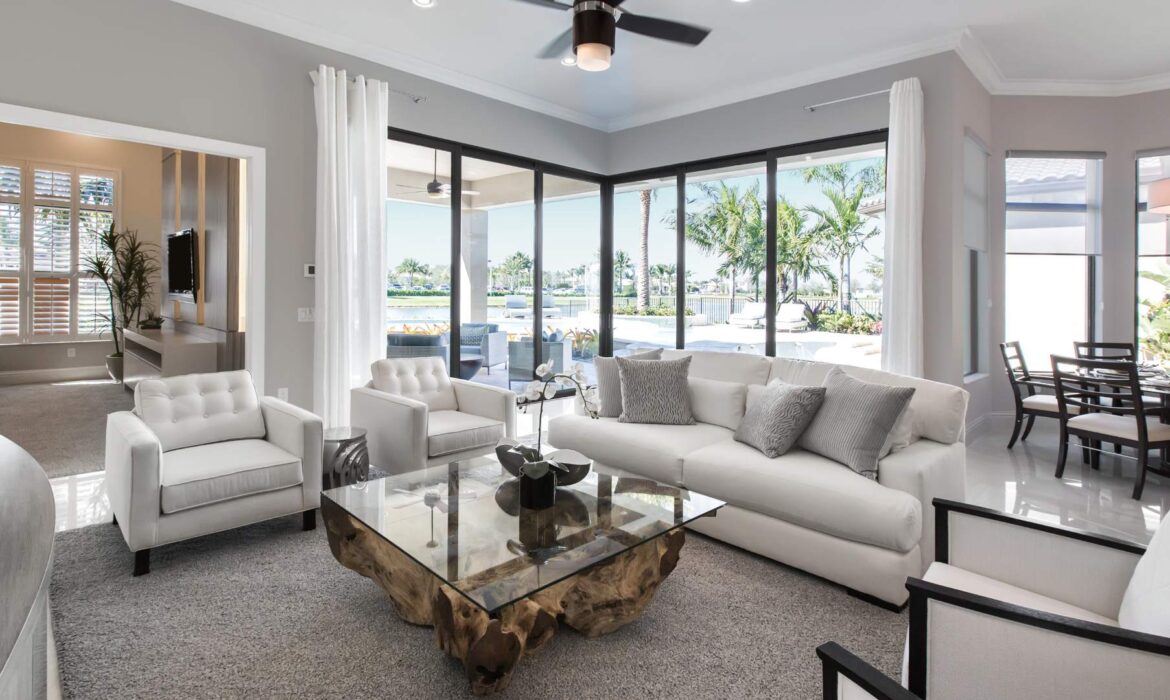
Interior photography is a captivating art form that showcases the beauty and design of spaces. Whether you’re photographing for real estate listings, design portfolios, or just for the love of architecture, mastering interior photography can significantly improve your work and attract more clients. If you want to elevate your skills and create stunning images that reflect the true essence of a space, here are ten expert tips to help you achieve professional-level interior photography.
Understand the Importance of Lighting in Interior Photography
Lighting is one of the most critical elements of interior photography. Without proper lighting, even the most beautifully designed spaces can look flat and unappealing. Natural light is often preferred, as it brings warmth and softness to interior photographs. When shooting interiors, always try to make the most of available daylight. Position yourself near windows or other light sources to allow the natural light to illuminate the room.
However, natural light isn’t always available, especially in darker spaces or when shooting at night. In such cases, artificial lighting becomes your ally. Invest in good-quality light sources, such as softbox lights or LED panels, to balance shadows and create a natural look. Be mindful of how the light interacts with the furniture and décor; harsh lighting can create unpleasant shadows, while soft, diffused light can enhance the texture and detail of your subject.

Master Your Camera Settings
For professional-level interior photography, mastering your camera settings is crucial. The aperture, shutter speed, and ISO all play essential roles in determining how your image will turn out. In general, for interior photography, you’ll want a wide aperture (f/8 to f/11) to ensure that the entire room is in focus. A smaller aperture helps achieve a sharp depth of field, keeping both the foreground and background crisp.
Shutter speed is equally important in interior photography. Since you’re often working with lower light levels, slower shutter speeds might be necessary to capture enough light. However, be cautious not to go too slow, or you risk creating motion blur. Using a tripod can help stabilize your camera during longer exposures.
The ISO setting should be kept as low as possible to avoid introducing grain or noise in your images. For most interior photography, an ISO of 400-800 is often sufficient, depending on the lighting conditions. If you’re shooting in extremely low light, you may need to raise the ISO, but keep in mind that higher ISO values can lead to reduced image quality.

Use a Tripod for Stability
A tripod is an essential tool in interior photography. When shooting with longer exposure times or lower light conditions, a tripod ensures that your camera remains stable, preventing motion blur and helping you capture sharp, clear images. Without a tripod, even slight hand movements can ruin the image, especially in low-light environments.
Additionally, a tripod allows for more creative control. It enables you to experiment with different angles, compositions, and perspectives without worrying about camera shake. Make sure your tripod is sturdy enough to handle your camera and any additional gear you might be using, such as a flash or remote trigger.
Pay Attention to Composition and Angles
In interior photography, composition is everything. A well-composed image helps tell the story of a space and highlights its best features. One of the first things to consider is the angle from which you’re shooting. When photographing a room, try to avoid standing directly in the center. Instead, experiment with different angles to create a sense of depth and dimension in the image.
Shoot from the corners of a room for a more dynamic perspective. By photographing from these angles, you can capture the entirety of the space and add a sense of flow to the image. Additionally, make sure to include architectural elements like windows, doors, or unique details that help frame the shot. These features can lead the viewer’s eye through the composition and create a sense of harmony within the image.
Always consider the rule of thirds when composing your shots. This means dividing the frame into a grid of nine equal parts and positioning key elements along these lines or their intersections. This technique will help you achieve balance and visual interest in your interior photography.

Declutter and Stage the Space
Before photographing any interior, it’s essential to declutter and tidy the space. A room filled with too many items can make it feel cramped or chaotic. For professional-level interior photography, simplicity is key. Remove any unnecessary objects that might distract from the room’s design and focus on the core elements that convey the desired aesthetic.
Sometimes, staging a room can take your interior photography to the next level. Add touches like fresh flowers, art pieces, or stylish furniture that complement the design. Staging allows you to highlight the functionality and beauty of a space while making it more appealing to potential clients or buyers. A well-staged room also ensures that the photographs highlight the best features of the interior, giving a sense of purpose and style to the space.
Capture Multiple Exposures for Better Results
To create high-quality interior photography, it’s often necessary to capture multiple exposures of the same scene. This technique, known as exposure bracketing, involves taking several images at different exposure levels (underexposed, overexposed, and properly exposed) and then combining them in post-processing. This approach helps you balance the lighting in the final image, ensuring that both bright and dark areas of the room are properly exposed.
For instance, if you’re photographing a room with a large window, the outside light might be too bright compared to the interior. In such cases, you can take a shot that exposes for the interior and another that exposes for the outside light. In post-processing, you can blend these two images together to create a perfectly balanced photograph.
Many modern cameras have an automatic bracketing feature, which can save you time and effort. However, it’s important to be careful when combining multiple exposures to avoid any unnatural or unrealistic results.

Use Wide-Angle Lenses for Spaciousness
Wide-angle lenses are an invaluable tool in interior photography. These lenses allow you to capture more of the room in a single shot, which is especially helpful in smaller spaces. A wider field of view creates the illusion of more space, making the room appear larger and more inviting.
However, be cautious when using wide-angle lenses, as they can sometimes distort the proportions of the room, making objects at the edges of the frame look stretched or warped. To minimize distortion, try to keep the camera level and avoid tilting it up or down too much. You can also use lens correction tools in post-processing to fix any unwanted distortions.
In some cases, you may also want to experiment with different focal lengths. While wide-angle lenses are ideal for capturing the entire room, a slightly longer lens can be used to focus on specific details, such as furniture, art, or architectural features.

Pay Attention to the Time of Day
The time of day plays a crucial role in interior photography, particularly when you’re relying on natural light. Early morning or late afternoon light tends to be softer and warmer, creating a pleasant and inviting atmosphere in your images. During these golden hours, the sun is lower in the sky, casting longer shadows and a more even distribution of light.
Midday light, on the other hand, can be harsh and create strong contrasts in the room. If you find yourself shooting during this time, consider using diffusers or curtains to soften the light. Alternatively, you can take advantage of artificial lighting to balance out the harshness of the daylight.
When shooting interiors, it’s also important to be aware of the direction of light. Position your camera so that the light source is in a flattering position for the room. Avoid having bright light sources directly behind your subject, as this can result in backlighting, causing details to be lost in shadows.

Edit Your Photos for the Perfect Finish
Post-processing is an essential part of interior photography. While it’s important to get the best shot possible in-camera, editing allows you to fine-tune the image and bring out its full potential. Start by adjusting the exposure, contrast, and white balance to ensure that the colors look natural and true to life.
One of the key steps in editing interior photos is correcting the perspective. Wide-angle lenses often introduce lens distortion, which can make vertical lines appear tilted. In editing software like Adobe Lightroom or Photoshop, you can use lens correction tools to straighten these lines and restore the image’s natural look.
You can also enhance the colors and textures in your images by making selective adjustments to areas of the image that need more attention. For instance, you might want to brighten up the shadows in one corner or add more vibrancy to a piece of artwork on the wall. Editing allows you to bring your vision for the space to life, ensuring that the final image is a true representation of the interior’s beauty.

Conclusion: Practice and Patience are Key to Success
Achieving professional-level interior photography takes time, practice, and patience. Every space has its unique challenges, but with the right knowledge, equipment, and techniques, you can create stunning images that capture the essence of any room. Remember, lighting, composition, and camera settings are all fundamental aspects of interior photography that you can continuously improve upon.
By following these ten tips, you’ll be well on your way to taking high-quality interior photographs that not only showcase a space but also tell a story. Whether you’re working for clients or simply refining your portfolio, each shot you take adds to your experience and expertise in the world of interior photography. Keep experimenting, learning, and practicing, and soon, you’ll be able to create images that truly highlight the beauty and functionality of any space.
The Best Lighting for Furniture Photography
Furniture photography is an essential part of marketing, whether you’re a furniture retailer, interior designer, or online seller. High-quality images are crucial to showcasing the beauty and functionality of your furniture, and one of the most important factors that contribute to these images is the lighting. The best lighting for furniture photography can make a huge difference in how your furniture is perceived. Lighting enhances the details, textures, and colors, giving the furniture the attention it deserves. In this article, we’ll explore the best lighting for furniture photography in depth, providing tips and advice to help you capture stunning images of your furniture.
Why Lighting is Crucial for Furniture Photography
When it comes to furniture photography, the right lighting is everything. Poor lighting can make the furniture appear flat or unappealing, whereas good lighting can bring out the best features of the piece. The best lighting for furniture photography ensures that the textures of the materials, such as wood, fabric, and metal, are clearly visible. It helps emphasize the unique design and craftsmanship of the furniture, making it more appealing to potential buyers. Moreover, good lighting can set the mood of the photograph, whether you want a soft, inviting ambiance or a more dramatic, high-contrast look.
The best lighting for furniture photography is essential not only for aesthetic purposes but also for functionality. Clear, well-lit images make it easier for customers to make informed purchasing decisions. If you’re selling furniture online, the quality of your photos can directly impact the success of your business.

Understanding Different Lighting Types for Furniture Photography
Before diving into the specifics of the best lighting for furniture photography, it’s important to understand the different types of lighting you can use. Each type of lighting creates a different effect on your photographs, so knowing how to use them effectively can help you achieve the best possible results.
Natural Light
Natural light, which comes from the sun, is often considered the most flattering and realistic light source for photography. It gives furniture photos a soft, even look that highlights the natural textures and colors of the piece. The best lighting for furniture photography often involves utilizing natural light in combination with other light sources to fill in shadows and balance the exposure. Shooting during the day, particularly in the morning or late afternoon, when the light is softer and less harsh, is ideal.
Artificial Lighting
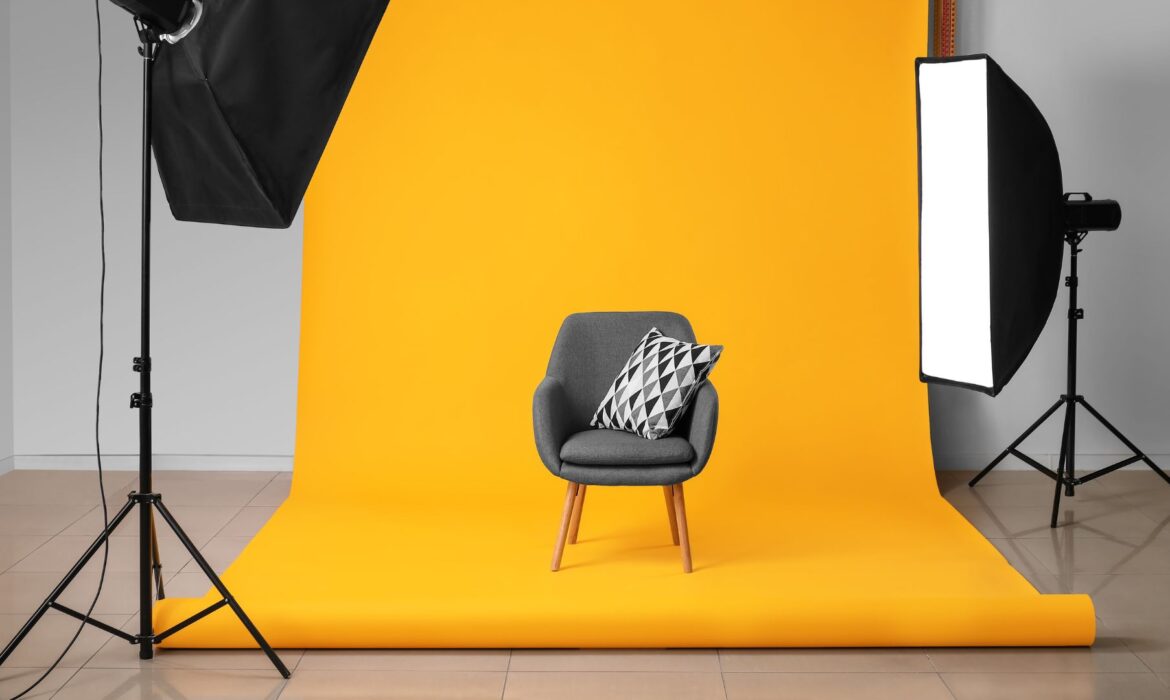
While natural light is great, sometimes it’s not always available, or it may not provide the right intensity for your shot. This is where artificial lighting comes in. The best lighting for furniture photography includes a range of artificial light options such as studio strobes, softboxes, LED lights, and continuous lighting. These light sources can be controlled and adjusted to create the exact effect you want, making them an excellent choice for indoor studio setups or evening shoots.
Ambient Lighting
Ambient lighting refers to the overall light in a room that provides a comfortable level of brightness. This can be natural or artificial light but is typically softer and less direct. Ambient lighting is helpful when shooting in larger spaces and can create a natural backdrop to enhance your furniture. When working with ambient light, it’s important to adjust the main lighting to fill in any shadows that might obscure the details of the furniture.

The Role of Light Modifiers in Furniture Photography
Light modifiers are tools that can shape, soften, or diffuse light. They play a significant role in achieving the best lighting for furniture photography. By using the right light modifiers, you can control how the light interacts with the furniture, ensuring that you get the best possible image.
Softboxes and Umbrellas
Softboxes and umbrellas are commonly used to diffuse light, creating soft, even illumination that eliminates harsh shadows and highlights. These modifiers are essential when photographing furniture, as they help maintain the fine details of the piece while giving the photo a polished, professional look. The best lighting for furniture photography often involves using a large softbox or umbrella to create a large, diffused light source that minimizes shadows and reduces the harshness of direct light.
Reflectors
Reflectors are used to bounce light onto the furniture, filling in shadows and highlighting areas that might otherwise be dark. The best lighting for furniture photography often involves using reflectors to add dimension to the piece, giving it a three-dimensional quality that looks natural and engaging. Reflectors come in various materials, such as silver, white, or gold, and can be positioned strategically to create the perfect amount of light and contrast.
Grids and Snoots
Grids and snoots are light modifiers that help control the direction of light. They can narrow the beam of light, allowing you to highlight specific details of the furniture. For example, if you’re photographing a piece of furniture with intricate details or textures, using a grid or snoot will help concentrate the light exactly where you want it, drawing attention to those features. This is an important part of achieving the best lighting for furniture photography, as it allows you to emphasize the unique aspects of the piece without overexposing the rest of the scene.

How to Achieve the Best Lighting for Furniture Photography in a Studio
Setting up your lighting in a controlled environment is one of the most effective ways to achieve the best lighting for furniture photography. A studio setup allows you to manipulate the light to your advantage, ensuring consistent and high-quality results.
Lighting Placement
To achieve the best lighting for furniture photography, the placement of your lights is crucial. Start by positioning your main light, often called the key light, at a 45-degree angle to the furniture. This will create soft shadows that add depth and dimension to the image. You can adjust the distance between the light and the furniture to control the intensity of the light. For a more dramatic look, move the light closer to the furniture; for a softer, more diffused effect, move it further away.
Using Fill Lights
While the key light is responsible for the primary illumination, fill lights are used to fill in the shadows and balance the exposure. The best lighting for furniture photography often involves a combination of key and fill lights. Place the fill light on the opposite side of the key light to soften the shadows without making the image flat. A large softbox or a reflector can work as a fill light, helping to create an even distribution of light across the furniture.
Backlighting
Backlighting is a technique where the light source is placed behind the furniture to create a halo effect around the piece. This technique can add a sense of depth and separation from the background, making the furniture stand out. The best lighting for furniture photography may involve using backlighting to emphasize the shape and form of the furniture, especially if it’s a piece with unique contours or silhouettes.

The Best Lighting for Furniture Photography in Real-World Settings
While a studio setup provides control over the lighting, shooting in a real-world setting can present its own challenges. Whether you’re photographing furniture in a living room, showroom, or outdoor space, the best lighting for furniture photography will depend on the available light and the desired effect.
Indoor Spaces
When shooting furniture indoors, natural light is often the best option. Position the furniture near windows to take advantage of daylight. To enhance the light, you can use reflectors to bounce additional light onto the furniture and reduce shadows. If the natural light is too harsh, you can soften it using curtains or diffusers. For the best lighting for furniture photography in indoor spaces, consider combining ambient light with artificial light to achieve the right balance of brightness and contrast.
Outdoor Spaces
If you’re photographing furniture outdoors, the best lighting for furniture photography often comes from diffused sunlight. Avoid direct midday sunlight, as it can create harsh shadows and blow out details. The golden hours—shortly after sunrise or before sunset—provide soft, warm light that enhances the natural beauty of the furniture. During these times, you can achieve the best lighting for furniture photography, with the sunlight adding a natural glow to the piece. You can also use reflectors or diffusers to control the intensity of the light and soften any shadows.

Conclusion: Mastering the Best Lighting for Furniture Photography
Achieving the best lighting for furniture photography requires a combination of technical knowledge, creative insight, and attention to detail. Whether you’re working in a studio or a real-world setting, the right lighting can make all the difference in how your furniture is presented. By understanding the different types of lighting, using light modifiers, and mastering lighting placement, you can capture beautiful, high-quality images that showcase your furniture in the best light.
Remember, the best lighting for furniture photography isn’t just about technical equipment—it’s about understanding how light interacts with the materials and shapes of your furniture. Experiment with different setups, and don’t be afraid to adjust the lighting until you find the perfect balance. With the right lighting, your furniture photos will stand out, attract attention, and ultimately drive sales.
Top 10 Best Image Editing Service Companies
In today’s world, images speak louder than words. Whether you’re a professional photographer, a business owner looking to enhance product photos, or just someone wanting to improve personal pictures, having access to top-notch image editing services is key. From minor touch-ups to complex image manipulations, professional editing can make a significant difference in how an image is perceived. With so many companies offering image editing services, it can be overwhelming to choose the right one. In this article, we will dive into the top 10 best image editing service companies that stand out for their quality, reliability, and customer satisfaction.

Understanding Image Editing Services
Before exploring the best image editing service companies, it’s important to understand the various services they offer. Image editing can include everything from simple color corrections to advanced services like background removal, portrait retouching, and even complex photo manipulations. These services are used by professionals in various fields such as photography, e-commerce, marketing, and even for personal projects. The right editing service can turn an average photo into a stunning visual.
The demand for image editing has surged, especially in the business world. Companies need to present their products in the best possible light for marketing, and individuals often need personal photos polished before sharing them on social media. Finding the right company can make a world of difference, so let’s take a look at the best image editing service companies that can help you take your images to the next level.

1. Cloud Retouch
Cloud Retouch is widely regarded as one of the best image editing service companies in the industry. Specializing in professional photo retouching, this company offers a wide variety of services ranging from basic photo enhancement to advanced manipulation. Their team of skilled professionals can handle everything from skin smoothing to background replacement, ensuring your photos look polished and refined.
What sets Cloud Retouch apart is their dedication to customer satisfaction. They offer tailored solutions based on the unique needs of each client, making them a versatile choice for individuals and businesses alike. Whether you need high-end retouching for fashion photography or require subtle product photo enhancements, Cloud Retouch delivers excellent results every time.

2. Image Work India
Image Work India is a powerhouse among the best image editing service companies, particularly in the field of clipping path and background removal services. This company is a top choice for e-commerce businesses that need their product images to be flawless. Image Work India’s team excels at removing distracting backgrounds and creating clear, clean images that make products stand out.
Additionally, Image Work India is known for its fast turnaround times and affordable pricing. Whether you are working on a small batch of images or need to edit hundreds of product photos, their team can deliver high-quality results in record time. Their experience and expertise make them an excellent option for businesses that need reliable and efficient image editing.

3. FixThePhoto
FixThePhoto is another leading name among the best image editing service companies. This company is highly recommended for portrait retouching, wedding photography edits, and high-end photo restoration. Whether you need to remove blemishes, enhance colors, or smooth out skin, FixThePhoto’s team of professionals is equipped to handle even the most detailed editing tasks.
They are particularly popular among photographers who want to outsource their photo editing work. With years of experience and a keen eye for detail, FixThePhoto delivers outstanding results that maintain the natural look of the original image while enhancing its overall quality. The company’s dedication to quality and customer satisfaction places them at the top of the list of best image editing service companies.

4. Pixelz
For e-commerce businesses and fashion photographers, Pixelz is one of the best image editing service companies. Specializing in high-volume image editing, Pixelz helps businesses improve their product images with background removal, color corrections, and retouching services. Their expert team is adept at optimizing images for online stores, making sure they look professional and ready for marketing.
What makes Pixelz stand out is their ability to handle large quantities of images without compromising on quality. Whether you need hundreds of product photos edited for an online catalog or just a few for a specific campaign, Pixelz delivers exceptional results at scale. This efficiency and consistency have earned them a top spot among the best image editing service companies.

5. Color Experts International
Color Experts International is a well-established name among the best image editing service companies, particularly for businesses that need reliable and high-quality photo editing for product images. This company excels at background removal, color correction, and retouching, which are essential for creating sharp and vibrant product photos for websites, social media, and marketing campaigns.
What sets Color Experts International apart is their commitment to excellence and customer service. They provide personalized editing services to meet the unique needs of each client and ensure that every image looks its absolute best. Their team is highly skilled and equipped to handle even the most challenging editing tasks, making them a go-to option for businesses and photographers alike.

6. RetouchUp
RetouchUp is one of the best image editing service companies for photographers and businesses looking to enhance the quality of their images. Known for offering top-tier portrait retouching, real estate photo editing, and product photo enhancement, RetouchUp has a reputation for delivering high-quality results quickly.
This company stands out because of its client-oriented approach. They offer flexible services and revisions to ensure that clients are satisfied with the final product. Whether you need professional retouching for portraits or high-quality edits for e-commerce, RetouchUp’s experienced team is dedicated to helping you achieve the best possible results. Their attention to detail and commitment to excellence make them a favorite among the best image editing service companies.

7. Offshore Clipping Path
When it comes to precision and efficiency, Offshore Clipping Path is one of the best image editing service companies. This company specializes in clipping path and background removal services, which are essential for creating clean and professional-looking images. Offshore Clipping Path’s team works diligently to ensure that each image is edited to perfection, with the highest level of detail and accuracy.
Their services are widely used by photographers, designers, and e-commerce businesses who need quick and reliable image editing. With a focus on delivering high-quality results in a timely manner, Offshore Clipping Path has become a trusted name in the industry. Whether you need to edit a single image or a large batch, they can provide affordable and fast solutions.

8. ephotovn
ephotovn is one of the best image editing service companies for those seeking comprehensive editing solutions, including portrait retouching, product photo enhancement, and background removal. Their team is highly skilled in both basic and advanced editing techniques, making them a great option for businesses and photographers who need professional-quality images.
ephotovn’s expertise is particularly valuable for businesses in the fashion and e-commerce sectors. They understand the importance of presenting a product in its best light and offer services that help improve the overall look of product images. Their commitment to providing high-quality services with fast turnaround times has earned them a strong reputation in the image editing industry.

9. Image Retouching India
Image Retouching India is another standout among the best image editing service companies. This company specializes in retouching, restoration, and enhancement services for a wide range of image types. From wedding photos to product photography, Image Retouching India offers the expertise needed to bring out the best in any image.
Their team of expert editors is skilled at subtle retouching, making sure that images retain their natural look while enhancing their overall quality. Whether you’re a professional photographer, a business owner, or someone looking to enhance your personal photos, Image Retouching India provides high-quality editing services tailored to your needs.
Why Choose the Best Image Editing Service Companies?
The best image editing service companies offer several advantages, including expert editing skills, fast turnaround times, and customized services to meet your specific needs. Professional image editing can transform an ordinary photo into something extraordinary, helping businesses present their products in the best possible light and photographers create stunning images.
By choosing one of the best image editing service companies, you ensure that your images are edited with precision and attention to detail. These companies offer a range of services that cater to different needs, whether it’s simple touch-ups or complex photo manipulations. Their expertise and experience make them valuable partners for anyone looking to enhance their visual content.
Conclusion
Choosing the right company for your image editing needs is essential to achieving high-quality results. From Cloud Retouch’s expert retouching to Image Work India’s reliable background removal, the best image editing service companies can help you create stunning visuals that meet your personal or business goals. Whether you’re a photographer, a business owner, or someone looking to enhance personal images, these companies provide the tools and expertise you need to elevate your photos. With fast, professional, and affordable services, these companies are your go-to partners for all things image editing.
FAQs About the Best Image Editing Service Companies
1. What are image editing services?
Image editing services enhance or modify digital images to improve their appearance. These services can include tasks like color correction, background removal, retouching, and photo manipulation.
2. Why should I use professional image editing services?
Professional image editors can deliver high-quality results that enhance the visual appeal of your photos. This is essential for businesses, photographers, and anyone wanting polished, professional images without investing the time and effort required for DIY editing.
3. What types of image editing services are available?
Common services include clipping path, background removal, retouching, color correction, photo restoration, and photo manipulation, which are used to enhance product images, portraits, or any other visual content.
4. How do I choose the best image editing service company?
Look for companies with high-quality work, fast turnaround times, reasonable pricing, good customer support, and specialization in the services you need (like portrait retouching, product image editing, etc.).
5. How long does it take to get my images edited?
Editing time depends on the complexity and volume of images. Simple edits may take a few hours, while more complex tasks or larger batches may take several days. It’s best to clarify turnaround time with the company before starting.
6. How much do image editing services cost?
Costs vary depending on the type and complexity of the editing. Basic tasks like background removal are usually cheaper, while advanced services like photo manipulation can be more expensive. Many companies offer bulk discounts.
7. Can I request revisions if I’m not satisfied with the result?
Yes, most companies offer revisions if you’re not satisfied with the initial edits. Be sure to confirm the company’s revision policy before placing your order.
8. Are these image editing companies secure to use for my business or personal projects?
Reputable companies ensure the security of your images and data. It’s a good idea to check their privacy policy and data protection practices before submitting your photos.
9. Do image editing service companies provide services for all types of images?
Yes, most companies edit all types of images, including product photos, portraits, wedding images, real estate photos, and more.
10. How do I submit my images for editing?
You can typically upload your images via the company’s website or send them via email. Some companies also offer platforms for batch uploads and project management.
11. Can image editing services improve my SEO or marketing efforts?
Yes, high-quality edited images improve user experience, enhance your marketing materials, and boost engagement on websites and social media, indirectly supporting SEO efforts.
12. What makes these companies stand out as the best image editing service companies?
These companies are known for their expertise, quality work, fast delivery, excellent customer support, and tailored services to meet specific client needs.
Top 10 Best Image Editing Service Providers
In the digital age, visuals play a critical role in communication. Whether you’re a professional photographer, a business owner, or simply someone looking to enhance personal images, having access to high-quality image editing services is key. With the rise of social media, e-commerce, and online marketing, more people than ever are seeking ways to make their photos stand out. This is where the best image editing service providers come into play. These professionals can help you transform your photos into something extraordinary, ensuring that they meet industry standards for quality and visual appeal.
Understanding Image Editing Services
Image editing refers to the process of altering or enhancing a digital image to improve its appearance. From basic tasks like color correction and cropping to more advanced techniques like background removal, retouching, and photo manipulation, image editing can vastly improve the quality of your photos. Whether you need images for personal projects, social media, e-commerce, or professional portfolios, finding the right editing service is essential.
The market for image editing services has grown exponentially, with businesses and individuals seeking ways to make their visuals look polished and appealing. This article highlights the best image editing service providers that are renowned for their excellent work and customer satisfaction. If you are looking to enhance your images, these companies should be on your radar.
Why Choose Professional Image Editing Services?
When you hire professional image editing services, you gain access to a team of skilled editors who can handle all aspects of photo enhancement. While it might be tempting to use free editing software or do it yourself, the results often fall short when compared to what professionals can achieve. Professional editors have the knowledge, tools, and experience to make even the most basic images look stunning.
Moreover, hiring the best image editing service providers allows you to save time. Instead of spending hours tweaking your images, you can let the experts handle it while you focus on other important tasks. Whether you’re editing a handful of images or thousands, professional services can ensure that your project is completed efficiently and to the highest standard.
What Makes a Service Provider the Best?
Not all image editing companies are created equal. The best image editing service providers excel in several crucial areas that set them apart. First and foremost, they prioritize delivering exceptional quality by employing skilled professionals and using advanced tools and software. This ensures that every edited image meets the highest standards of precision and aesthetics. Turnaround time is another critical factor; these providers understand the importance of timely delivery, especially for businesses operating in fast-paced industries like e-commerce and marketing.
Affordability is also a hallmark of the best providers. They offer flexible pricing structures that cater to both small-scale projects and bulk orders, making their services accessible to businesses of all sizes. Additionally, their customer support is exemplary, often going the extra mile to address client concerns, provide updates, and ensure satisfaction.
One of the standout features of the best image editing service providers is their expertise in handling bulk projects. This capability makes them indispensable for businesses with high-volume editing needs, such as online retailers and photographers. These providers also have a deep understanding of industry-specific requirements, enabling them to tailor their services to align with the unique goals and target audiences of their clients. By customizing their approach, they ensure that the final output not only meets technical standards but also resonates effectively with the intended viewers.
Let’s dive into the top 10 best image editing service providers to help you find the perfect fit for your editing needs.
1. Cloud Retouch
Cloud Retouch is one of the best image editing service providers in the industry. Specializing in high-end photo retouching and professional editing, Cloud Retouch offers a wide range of services, including portrait enhancement, background removal, and photo manipulation. Their team of experts uses advanced software and techniques to deliver stunning results.
One of the standout features of Cloud Retouch is their dedication to personalized service. They tailor their offerings to meet the specific needs of their clients, whether you’re a photographer, a business, or an individual looking for image enhancements. The company is known for its quick turnaround times and commitment to customer satisfaction, making them a top choice among the best image editing service providers.
2. Image Work India
Image Work India has built a solid reputation as one of the best image editing service providers, particularly in the areas of clipping path and background removal. Their team of professionals is highly skilled at creating clean, sharp images that are perfect for e-commerce businesses, photographers, and designers.
The company is known for its efficiency, offering fast delivery times without compromising on quality. Whether you’re looking for a single image edit or need bulk editing for a large project, Image Work India has the expertise to handle it. Their competitive pricing and high-quality work make them a popular choice among businesses in need of professional photo editing.
3. FixThePhoto
FixThePhoto is a well-known name among the best image editing service providers. They specialize in portrait retouching, wedding photo editing, and high-end photo restoration. FixThePhoto is ideal for photographers who want to outsource their editing work and maintain the natural beauty of their images.
The company’s editing services are highly detailed, focusing on areas like skin smoothing, color correction, and lighting adjustments. They also offer advanced editing options, such as removing unwanted objects and enhancing the overall composition. FixThePhoto’s commitment to quality and fast service has earned them a loyal following, especially in the photography community.
4. Pixelz
Pixelz is one of the best image editing service providers for businesses, particularly in the fashion and e-commerce industries. The company specializes in high-volume image editing, making it an ideal choice for companies that need to optimize large numbers of product images quickly and efficiently.
Pixelz excels at product image enhancement, including background removal, color correction, and shadow effects, all of which are crucial for making products stand out in online stores. Their focus on fast turnaround times and scalability makes them a go-to provider for businesses that rely heavily on high-quality visual content for their marketing and sales strategies.
5. Color Experts International
Color Experts International is another top contender among the best image editing service providers. With over a decade of experience, they have mastered various types of image editing, including background removal, color correction, and photo restoration. Their expertise makes them a favorite among e-commerce companies, photographers, and designers.
What sets Color Experts International apart is their dedication to perfection. They use advanced techniques to ensure that every image is polished and looks its best. Their attention to detail and ability to meet tight deadlines has made them one of the most trusted names in the image editing industry.
6. RetouchUp
RetouchUp is one of the best image editing service providers, particularly for photographers and real estate agents. Known for its high-quality retouching and restoration services, RetouchUp is ideal for businesses that need to enhance photos for websites, social media, or advertising campaigns.
Their services include portrait enhancement, real estate photo editing, product image retouching, and more. RetouchUp’s fast turnaround times, customer support, and affordable pricing make them a go-to choice for professionals who want to ensure their photos stand out. They also offer a user-friendly platform that makes it easy to upload images and track the editing process.
7. Offshore Clipping Path
Offshore Clipping Path is a highly regarded name among the best image editing service providers. This company specializes in clipping path and background removal, services that are crucial for businesses and photographers who want to isolate subjects and create clean, sharp images.
Their services are perfect for product photography, real estate images, and any situation where you need to remove or replace backgrounds. Offshore Clipping Path offers both single-image edits and bulk editing options, making them a flexible choice for businesses with varying needs. Their affordable pricing and attention to detail have made them a top choice in the image editing industry.
8. ephotovn
ephotovn is another excellent option for those seeking high-quality image editing services. Known for their expertise in portrait retouching and product image enhancement, ephotovn is a favorite among photographers, e-commerce businesses, and individuals seeking to improve their personal photos.
Their range of services includes everything from basic adjustments like color correction to more advanced techniques such as background removal and image manipulation. ephotovn’s attention to detail and focus on customer satisfaction make them one of the best image editing service providers in the business.
9. Image Retouching India
Image Retouching India is another strong contender among the best image editing service providers. This company offers a wide variety of services, including portrait retouching, product photo enhancement, and photo restoration. Their team of skilled editors ensures that each image is edited to perfection, with no detail overlooked.
Image Retouching India is known for its high level of professionalism and commitment to customer satisfaction. Whether you need to enhance personal photos, improve product images, or restore old photographs, Image Retouching India is equipped to deliver the quality results you need.
How to Choose the Right Image Editing Service Provider
Finding the right partner among the best image editing service providers can seem daunting, but focusing on a few key aspects can simplify the process. Start by assessing your specific needs—whether it’s bulk editing, quick turnarounds, or specialized services like ghost mannequin effects. Evaluate their portfolio to gauge their expertise and style. Transparent pricing, reliable customer support, and positive client reviews are also indicators of a trustworthy service provider. Additionally, consider their flexibility in accommodating unique requests and their ability to adapt to changing project requirements.
Why Choose the Best Image Editing Service Providers?
Choosing one of the best image editing service providers ensures that you get high-quality results, fast turnaround times, and personalized services that meet your specific needs. Whether you’re a business looking to optimize your product photos, a photographer seeking professional retouching, or an individual who wants to enhance personal images, these providers offer the expertise and reliability you need.
By outsourcing your image editing to professionals, you save time and effort while ensuring that your photos meet the highest standards. The best image editing service providers use advanced techniques and industry-standard software to deliver exceptional results, ensuring that your images look their absolute best.
The Future of Image Editing Services
As technology advances, the best image editing service providers continue to innovate, adopting AI-driven tools and software to enhance efficiency and precision. The demand for professional photo editing is set to grow, making these providers indispensable for businesses and individuals alike. By choosing a reputable service provider, you can stay ahead in a competitive market and ensure your visuals make a lasting impact. The integration of machine learning and automation is expected to revolutionize the industry, enabling faster and more accurate editing processes.
Conclusion
With so many options available, finding the right image editing service provider can be challenging. However, by choosing from the best image editing service providers listed above, you can be confident that your images will be edited to perfection. From portrait retouching and background removal to advanced photo manipulation, these companies offer a wide range of services that can cater to your specific needs. Whether you’re an individual looking for personal image enhancements or a business in need of professional product photos, these service providers will help you elevate your visual content to the next level.
Antique Furniture Photography: Capturing Vintage Charm
Antique furniture has a special allure. Its unique designs, intricate details, and history make it a highly prized possession for many. Whether you’re a collector, a seller, or simply someone who admires these timeless pieces, capturing the essence of antique furniture through photography is essential. Antique furniture photography not only preserves the beauty of these items but also tells the story behind each piece. In this article, we will dive deep into the world of antique furniture photography and explore how you can effectively capture the vintage charm of these exquisite pieces.
What is Antique Furniture Photography?
Antique furniture photography refers to the art of capturing high-quality images of vintage furniture pieces. The goal is to highlight the intricate details, unique design, and craftsmanship that make each item special. Good antique furniture photography goes beyond just snapping pictures of a piece; it’s about showcasing the beauty, history, and character that each antique item holds.
Photographing antique furniture can be challenging due to its often delicate and complex design. However, with the right techniques, equipment, and a good understanding of the subject, anyone can produce stunning photos that showcase the vintage charm of these pieces.

Why is Antique Furniture Photography Important?
There are many reasons why antique furniture photography is crucial. For collectors and sellers, good photography can significantly increase the value of a piece. When potential buyers can see the fine details of a piece, it builds trust and creates a stronger connection with the item.
For collectors, high-quality photographs preserve the history of the furniture, making it easier to document and share the piece’s story. Antique furniture photography is also important for marketing purposes, as it helps showcase the item to a broader audience, whether online or in physical galleries.
Furthermore, for those who simply love antique furniture, capturing these items through photography allows them to preserve memories and celebrate the timeless elegance of these vintage pieces.
Techniques for Capturing the Best Antique Furniture Photography
To effectively capture the charm of antique furniture, there are a few techniques that can help you achieve stunning results. These techniques involve the right combination of lighting, angles, background, and camera settings.
Lighting is Key
Lighting plays a vital role in antique furniture photography. Poor lighting can hide the intricate details of the furniture, while overexposure can distort the true colors and textures of the piece. Natural light is often the best option when photographing antiques, as it provides a soft, flattering glow that highlights the details without harsh shadows. Shooting in a well-lit room or near large windows can provide the perfect amount of light for your photos.
If natural light isn’t available or the conditions are not ideal, you can use artificial lights, such as softbox lights, to illuminate the piece. Make sure to diffuse the light to avoid creating harsh shadows that can distract from the furniture’s details.

Choose the Right Angles
The angle at which you photograph the furniture can make a huge difference in how it looks in the final image. When photographing antique furniture, experiment with various angles to find the one that best showcases its beauty. For chairs or tables, shooting from above or eye-level can provide a balanced and comprehensive view. If the piece has intricate carvings or detailed features, try to capture close-up shots that focus on those areas to emphasize the craftsmanship.
Consider the piece’s design and how its shape and structure flow. Antique furniture often has intricate curves, patterns, or wood grains that deserve to be highlighted. A well-chosen angle will bring out these features and allow the viewer to appreciate the artistry behind the piece.
Use the Right Background
The background of your photos plays an important role in how the antique furniture is perceived. A cluttered or distracting background can take the focus away from the furniture and its details. Ideally, you want a clean, neutral backdrop that allows the furniture to stand out.
A simple, light-colored wall or fabric backdrop can often do the trick, but if you’re photographing a larger piece like a dining table or cabinet, consider using a wider environment, such as a room that complements the piece’s style. Just make sure the background doesn’t compete with the subject.

Pay Attention to Details
One of the key elements of antique furniture photography is showcasing the intricate details of each piece. Antique furniture often has unique carvings, inlays, or decorative elements that are part of what makes it special. To capture these details, use macro or close-up shots that bring the viewer’s focus to the fine work involved.
When photographing smaller details, ensure the camera is focused properly. Focusing on specific parts of the piece, such as the legs of a chair or the patterns on a cabinet door, can bring out the vintage charm that many people appreciate in antiques.
Camera Settings and Equipment
To take the best possible photographs of antique furniture, it’s essential to use the right camera settings and equipment. A DSLR camera or mirrorless camera is highly recommended, as these allow for greater control over exposure, focus, and depth of field.
Set your camera to manual mode and adjust the aperture, shutter speed, and ISO for the best result. For capturing intricate details, a narrow aperture (higher f-number) helps increase depth of field and keeps everything in focus. A slower shutter speed may also be required in low-light conditions to ensure the image is properly exposed.
When shooting with a DSLR or mirrorless camera, use a tripod to keep the camera steady and prevent any blur. This is especially important for shots in low light or when using slower shutter speeds.

Editing and Enhancing Antique Furniture Photos
After capturing your photos, the next step is editing them to bring out their full potential. Editing allows you to correct color imbalances, adjust exposure, and even remove any imperfections in the image.
A few common editing techniques for antique furniture photography include:
- Adjusting contrast and brightness: Antique furniture photos can sometimes appear flat, so adjusting the contrast can help add depth to the image and bring out the rich colors of the wood or fabric.
- Correcting white balance: This ensures that the colors in your photos are accurate. Antique furniture often has warm tones, so adjusting the white balance to ensure accurate color reproduction can help maintain the vintage look.
- Sharpening details: Highlight the fine details, such as wood grain, carvings, or upholstery, by sharpening the image. This will bring the focus to these areas and make them more noticeable.
While editing is an important part of antique furniture photography, it’s essential not to overdo it. Antique pieces are valued for their authenticity, and excessive editing can diminish the natural beauty of the furniture. Keep edits subtle and focus on enhancing the piece’s existing charm.

Challenges in Antique Furniture Photography
Photographing antique furniture can come with its own set of challenges. One of the most common obstacles is capturing the correct color and texture of the wood or fabric. Some materials, such as dark wood or intricate carvings, can be difficult to photograph correctly due to poor lighting or harsh shadows. Working with multiple light sources, such as diffused artificial lighting, can help alleviate these issues.
Another challenge is capturing the true size and scale of the furniture. Sometimes, an image may not convey the full size of a piece, leaving potential buyers or viewers confused about its dimensions. Including a familiar object for scale, such as a person sitting in a chair or a common item placed on a table, can help viewers understand the size better.
Additionally, antique furniture is often delicate and fragile, making it necessary to handle the pieces carefully during the shoot. When photographing highly valuable antiques, ensure that the environment is controlled to avoid any risk of damage during the session.
Tips for Professional Antique Furniture Photography
If you’re looking to take your antique furniture photography to the next level, there are a few tips that can help you achieve professional results.
- Use a prime lens: A prime lens, such as a 50mm lens, offers sharp focus and minimal distortion, which is ideal for capturing the fine details of antique furniture.
- Shoot in RAW format: Shooting in RAW allows for greater flexibility in post-processing, as it preserves all the image data. This is especially useful when working with intricate details and subtle lighting adjustments.
- Capture multiple angles: Don’t settle for just one angle. Take multiple shots from different perspectives to provide a more complete representation of the piece. This will give your audience a better understanding of the item’s design and craftsmanship.

Conclusion
Antique furniture photography is an art form that requires patience, skill, and attention to detail. Capturing the vintage charm of these exquisite pieces is not only about taking beautiful photographs, but also about telling the story behind each item. By focusing on proper lighting, angles, and camera settings, you can produce stunning images that showcase the timeless elegance of antique furniture.
Whether you’re photographing antiques for personal enjoyment, documenting your collection, or selling vintage pieces, mastering the art of antique furniture photography is essential. With the right techniques and equipment, you can preserve the beauty and history of these items for generations to come.
FAQs About Antique Furniture Photography
1. Why is antique furniture photography important?
It preserves the historical and artistic essence of vintage pieces while enhancing their appeal for collectors and buyers.
2. What equipment do I need for antique furniture photography?
A high-quality camera, suitable lenses, and proper lighting tools are essential.
3. How do I highlight intricate details in antique furniture?
Use macro lenses, soft lighting, and close-up angles to emphasize textures and craftsmanship.
4. What are the best editing techniques for antique furniture photos?
Focus on subtle adjustments to brightness, contrast, and sharpness while preserving the authenticity of the piece.
5. How can I photograph antique furniture for online sales?
Use consistent backgrounds, optimize image resolution, and meet platform-specific requirements for a professional look.
6. What’s the biggest mistake to avoid in antique furniture photography?
Overediting images, which can distort the natural beauty and authenticity of the piece.
Newborn Photography Furniture Props: Adorable Ideas to Enhance Your Photoshoot
When it comes to newborn photography, the little details can make a huge difference in creating stunning, memorable images. One of the most important elements of a newborn photoshoot is the use of props, and when we talk about props, newborn photography furniture props stand out as some of the most effective and adorable choices. These props not only add charm and style to your photographs but also help create a cozy, inviting setting for your little model. In this article, we’ll explore the various newborn photography furniture props that can elevate your photoshoot, offering creative ideas and tips for incorporating them into your session.
The Importance of Newborn Photography Furniture Props
Newborn photography furniture props serve several purposes in a photoshoot. First and foremost, they create a sense of comfort and safety for the baby. Many props are designed to mimic the familiar environment of a crib or soft, cushioned space, ensuring the newborn feels secure. Additionally, these props help to establish the theme or mood of the photoshoot. Whether you’re going for a rustic, vintage, or modern aesthetic, the right newborn photography furniture props can tie everything together and make your images even more captivating.

Creating a Cozy Atmosphere with Newborn Photography Furniture Props
One of the key elements of newborn photography furniture props is their ability to create a warm and cozy environment for the baby. Infants are most comfortable when they feel safe and snuggled, and the right furniture props can make all the difference. Small chairs, soft bassinets, and plush baskets can be arranged to mimic a serene nursery setting. These props not only help with the baby’s comfort but also contribute to the overall aesthetic of the photoshoot.
For example, a rustic wooden chair with a soft blanket can evoke a timeless, classic feel. A vintage crib with a lace sheet creates a delicate, feminine touch, perfect for capturing those sweet moments of a newborn’s early days. Adding knitted throws, fluffy pillows, and soft blankets can further enhance the cozy vibe, making your newborn photography furniture props feel like a natural extension of the baby’s environment.

Popular Newborn Photography Furniture Props
There are a wide variety of newborn photography furniture props that photographers can use to create the perfect photoshoot setting. Here are some of the most popular options:
Baby Baskets and Cradles
Baskets and cradles are some of the most beloved newborn photography furniture props. They offer a timeless, natural look and provide a snug, secure environment for the baby. Baskets can be found in a variety of shapes, sizes, and materials, ranging from woven rattan to soft fabric-lined versions. These props are versatile and can be used to create everything from rustic, natural looks to more whimsical, boho-inspired setups.
Cradles are another classic choice for newborn photoshoots. A wooden cradle with intricate detailing can add a vintage feel, while a simple, modern cradle brings an elegant touch. Pairing a cradle with soft, pastel-colored blankets or swaddles can create a dreamy atmosphere for your photos.
Tiny Chairs and Stools
Small chairs or stools are fantastic newborn photography furniture props that add character and personality to your photoshoot. These miniature pieces of furniture are perfect for capturing adorable moments with your newborn, and they are available in a wide range of styles. From old-fashioned rocking chairs to tiny wooden stools, these props can help you craft a variety of looks.
Rocking chairs, in particular, are a popular choice because they evoke a sense of tranquility and peace. A tiny rocking chair can be paired with soft fabrics, such as knitted blankets or crochet wraps, to add texture and visual interest to your photos.
Wooden Bowls and Troughs
Wooden bowls and troughs are a stylish, rustic option for newborn photography furniture props. These props are typically large enough to hold the baby comfortably while offering a stunning backdrop for your photos. The natural wood texture adds warmth to the image, making it feel grounded and earthy. Many photographers use wooden bowls to create a “nesting” effect, wrapping the baby in soft blankets and placing them inside the bowl for a peaceful, serene portrait.

Vintage Furniture Pieces
For a more classic and elegant vibe, vintage furniture pieces are wonderful newborn photography furniture props. Think of an old-fashioned dresser, an antique rocking chair, or a vintage crib. These pieces not only create a rich, nostalgic atmosphere but also add an element of timeless beauty to the photoshoot. Vintage props allow you to tell a story, showcasing the charm of past generations while highlighting the preciousness of the newborn.
Pairing vintage furniture with modern accessories like soft pillows or lace wraps can give you the perfect balance of old-world charm and contemporary style. Vintage furniture can be paired with delicate flowers, neutral tones, and soft fabrics for an ethereal feel.
Customizing Your Newborn Photography Furniture Props
One of the best things about newborn photography furniture props is their versatility. While you can always use classic props, there are countless ways to customize them to suit your style, theme, and the baby’s personality. For instance, if you want to create a seasonal or holiday-themed shoot, you can decorate furniture props with elements like pumpkins, pine cones, or festive ribbons.
If you’re looking for something more personalized, consider incorporating items that have sentimental value, such as heirloom furniture pieces or props that reflect the baby’s family traditions. Customizing newborn photography furniture props in this way not only adds uniqueness to the photoshoot but also makes the images even more meaningful for the family.

Choosing the Right Newborn Photography Furniture Props for Your Session
When selecting newborn photography furniture props, it’s important to keep in mind the comfort and safety of the baby. Always ensure that the furniture is sturdy and designed for newborns. Props should have smooth edges, be well-padded, and be large enough to allow the baby to rest comfortably without feeling crowded.
Additionally, consider the color palette and overall aesthetic of your photoshoot. The furniture props you choose should complement the baby’s outfit, the background, and any other accessories you plan to use. If you’re going for a neutral, minimalist look, opt for simple, light-colored furniture props. If you want to add a pop of color or personality, choose brighter or bolder pieces to stand out against a more neutral backdrop.

Why Newborn Photography Furniture Props Are Worth the Investment
While it may seem like newborn photography furniture props are an extra expense, they can be a worthwhile investment for photographers looking to create high-quality, professional images. These props can be used in multiple sessions, making them a great addition to any photographer’s toolkit. Not only do they enhance the aesthetic of the photos, but they also allow for greater creativity and flexibility during the shoot.
When clients see the level of thought and care that goes into a photoshoot, including the use of unique and charming furniture props, they’re more likely to appreciate the artistry and effort involved. This can lead to greater customer satisfaction and potentially higher referrals, as families will cherish the special memories captured in these beautiful, thoughtful photographs.

The Timeless Appeal of Newborn Photography Furniture Props
Newborn photography furniture props are not only trendy but also timeless. The use of props such as baskets, cradles, and vintage furniture adds a sense of tradition to the photoshoot while still feeling modern and fresh. These props allow for endless possibilities, enabling photographers to create images that feel both contemporary and nostalgic.
Whether you’re a seasoned photographer or just starting out, incorporating newborn photography furniture props into your shoots can enhance your portfolio, provide clients with beautiful keepsakes, and make your sessions more enjoyable. The careful selection of props will help you craft stunning, intimate portraits that families will cherish for years to come.
Conclusion
When it comes to newborn photography, newborn photography furniture props are a must-have tool for capturing those precious moments. Whether you opt for rustic baskets, tiny chairs, vintage cradles, or unique custom furniture pieces, these props help create an atmosphere of warmth, comfort, and beauty. They add personality and style to your photos while ensuring the baby feels safe and secure. By carefully choosing the right newborn photography furniture props, you can elevate your photoshoots and create timeless memories that families will treasure forever. Investing in high-quality props will not only enhance your sessions but also set you apart as a professional photographer who understands the art of storytelling through imagery.
Furniture Photography Studio Setup: A Step-by-Step Guide for Beginners
Setting up a furniture photography studio is essential for anyone looking to capture high-quality images of furniture. Whether you’re a professional photographer or a beginner, the right studio setup can make a significant difference in the final product. In this article, we will guide you through the process of creating a furniture photography studio from scratch. You’ll learn about the necessary equipment, lighting techniques, and how to arrange the space to create stunning visuals of furniture pieces. This guide is specifically tailored for beginners who want to get started in furniture photography.
Why You Need a Dedicated Furniture Photography Studio
A furniture photography studio provides a controlled environment where you can consistently capture high-quality images. Furniture photography requires precision and attention to detail, and a dedicated studio space ensures that you can focus on achieving perfect results every time. It eliminates outside distractions and allows you to manage factors like lighting, backgrounds, and props, all of which are crucial in creating professional-looking images.
When photographing furniture, every detail matters, from the texture of the fabric to the shine on the wood. Inconsistent lighting or distracting backgrounds can ruin your photos, making your furniture look less appealing. By setting up a furniture photography studio, you can have complete control over every element in the image, which is key to producing images that attract potential buyers or clients.

Step 1: Choose the Right Location for Your Furniture Photography Studio
The first step in setting up your furniture photography studio is choosing the right location. Ideally, this should be a spacious room with enough room to accommodate both the furniture and your equipment. You need a location that offers good natural light or the ability to control artificial lighting easily. Many photographers prefer working in large, airy spaces, as it gives them the flexibility to move furniture around and experiment with different setups.
Make sure the space is quiet and free from distractions. If you are planning to shoot furniture for clients, you’ll want to make sure the room has minimal external noise and interruptions. Ideally, the location should also have a high ceiling to allow for better lighting options and to accommodate larger furniture pieces. If you’re working from home, you may want to convert an extra room or garage into your furniture photography studio.

Step 2: Select the Right Background for Your Furniture Photography Studio
The background plays a huge role in how your furniture will be perceived in photos. When setting up a furniture photography studio, it’s essential to choose a background that complements the furniture without overpowering it. A neutral background is usually best, as it allows the furniture to be the focal point. Many photographers use white, gray, or beige backdrops for furniture photography.
You can opt for a seamless backdrop, a paper roll, or even a fabric backdrop. If you prefer a more creative look, textured or patterned backgrounds can work well, but they should never distract from the furniture itself. Another option is to use an environment-based setup, where you photograph the furniture in an actual room setting, adding realism and context to the image.
Additionally, ensure that the background is wide enough to accommodate different furniture sizes. The backdrop should allow enough space to frame the furniture well and avoid cutting off any parts of the piece that are important for the shot.

Step 3: Invest in Quality Lighting for Your Furniture Photography Studio
Lighting is one of the most important elements in any furniture photography studio. Without proper lighting, even the best furniture won’t look good in photos. The right lighting can help highlight the texture, color, and details of the furniture, making it appear more inviting and appealing. Most photographers use a combination of softboxes, LED lights, and reflectors to create even lighting that minimizes harsh shadows.
In a furniture photography studio, natural light is ideal, but it may not always be available or reliable. This is why investing in high-quality artificial lighting is key. Softboxes or diffusers help soften the light, reducing harsh shadows and creating a more flattering look. LED lights are also an excellent choice because they provide consistent and adjustable lighting, making it easier to fine-tune the setup.
Try to avoid using direct flash, as it can create unappealing reflections and highlights, especially on glossy surfaces. Instead, opt for diffused lighting, which will create soft, even illumination. Using two or more light sources from different angles helps eliminate unwanted shadows and ensures your furniture is well-lit from all sides.

Step 4: Arrange the Furniture Properly in Your Studio
Once you have your furniture photography studio setup with the right lighting and background, it’s time to arrange the furniture. The goal is to showcase the furniture in the best possible way, allowing the details and design to shine through. Begin by placing the furniture in a central position in the studio to ensure the light hits it evenly.
Consider the perspective from which you’ll be shooting. Some furniture pieces look better from certain angles, so experiment with different positions. If you’re photographing a sofa, for example, consider photographing it from the front, side, and three-quarter angles to show off its shape and design. For smaller items like chairs or tables, you may need to move around and find the best angle that highlights their features.
Also, make sure the furniture is clean and free from dust or marks. Any imperfections that might go unnoticed in person can become very visible in photos, so take extra care in cleaning and arranging the furniture to ensure it looks its best in the final images.

Step 5: Use Props and Accessories to Enhance Your Furniture Photography Studio
While the furniture itself should be the main focus, adding a few carefully selected props or accessories can help elevate your photos. Simple items like cushions, rugs, or vases can complement the furniture and add a sense of context. However, be mindful not to clutter the shot or distract from the main piece of furniture.
In a furniture photography studio, props should be used sparingly. A well-placed decorative pillow or a stylish coffee table book can help create a lifestyle setting, making the furniture look more inviting and functional. Try to choose props that complement the color scheme of the furniture without overpowering it.
Additionally, accessories such as plants, lamps, or bookshelves can help create a homely atmosphere. When setting up props, make sure they are well-lit and placed in a way that doesn’t cast shadows on the furniture itself.

Step 6: Camera Setup and Settings for Your Furniture Photography Studio
When you’re ready to shoot, make sure your camera is properly set up for furniture photography. DSLR cameras or mirrorless cameras with manual settings are ideal for this kind of work, as they allow you to adjust settings such as aperture, shutter speed, and ISO.
For furniture photography, it’s important to use a small aperture (high f-stop number), such as f/8 or f/11. This ensures a larger depth of field, meaning that more of the furniture will be in focus. You want to avoid blurring out important details like the texture of the fabric or the intricate patterns of wood grain. A tripod is also essential for stabilizing the camera and preventing any blur caused by shaky hands.
Set your camera to a low ISO to avoid introducing noise in the final images. You may need to adjust your shutter speed based on the lighting conditions in your furniture photography studio. A slower shutter speed is typically fine when using a tripod, but ensure that you’re capturing enough light to bring out all the details of the furniture.

Step 7: Post-Processing Your Furniture Photography Images
After shooting your furniture, the final step is editing and post-processing the images. The goal of post-processing is to enhance the images, correct any color imbalances, and ensure the furniture looks as realistic and attractive as possible.
In software like Adobe Lightroom or Photoshop, you can adjust things like exposure, contrast, and color saturation. Pay attention to the white balance to ensure that the colors in the image accurately represent the furniture. Removing distractions or imperfections from the background can also help keep the focus on the furniture.
It’s also important to crop your images appropriately, making sure the furniture is well-centered and framed. If you’ve photographed the furniture from multiple angles, you may want to create a series of shots that show the furniture from different perspectives.

Conclusion
Setting up a furniture photography studio may seem like a daunting task for beginners, but with the right equipment and techniques, anyone can achieve stunning results. By choosing the right location, investing in quality lighting, and paying attention to the details, you can create a professional studio setup that brings out the best in your furniture. Whether you’re shooting for a catalog, an online store, or simply improving your photography skills, a well-organized furniture photography studio will help you take your work to the next level.
By following the steps outlined in this guide, you can confidently begin shooting furniture and producing beautiful, high-quality images that capture the essence of each piece. Happy shooting!
Top 5 Best Cameras for Interior Design Photography: A Complete Guide
When it comes to capturing the beauty and essence of interior spaces, choosing the best camera for interior design photography can make a world of difference. The right camera can highlight the architectural features, textures, and lighting in ways that are simply not possible with lower-quality equipment. This article will guide you through the top 5 cameras for interior design photography and provide insights on how each can enhance your work. Whether you’re a professional photographer or someone working on home décor projects, finding the best camera for interior design photography is key to achieving stunning results.
Why Do You Need the Best Camera for Interior Design Photography?
Interior design photography is all about showcasing spaces in the most flattering and natural way. A good camera allows you to capture the intricate details, rich textures, and overall ambiance of a room. The right camera should offer high resolution, excellent low-light performance, and the ability to capture wide angles. The best camera for interior design photography can help you showcase your space’s beauty in ways that speak to potential clients or audiences.

Understanding the Key Features for Interior Design Photography
When shopping for the best camera for interior design photography, it’s essential to consider certain features. Some key elements to look for include:
- Wide-angle lens compatibility: Interior spaces often require wide-angle lenses to capture entire rooms. The ability to use wide-angle lenses is crucial in interior design photography.
- High resolution: The sharper the image, the more details you can showcase. A camera with high resolution ensures crisp, clear images that capture every element of a room.
- Low-light performance: Many interior photos are taken in spaces with natural or artificial light sources. The best camera for interior design photography needs to handle low-light situations effectively to maintain color accuracy and clarity.
- Manual controls: To have complete creative control, having manual settings is essential. This helps you adjust exposure, white balance, and focus to suit your artistic vision.
Now that we’ve outlined what you should be looking for, let’s dive into the top 5 cameras that are perfect for interior design photography.

1. Canon EOS R5: A Powerful All-Rounder for Interior Photography
The Canon EOS R5 is a standout when it comes to the best camera for interior design photography. This camera offers exceptional image quality, stunning resolution, and a robust autofocus system that makes it perfect for shooting indoor spaces. The EOS R5 has a 45-megapixel sensor, which ensures that even the finest details of an interior space are captured with remarkable clarity.
One of the features that sets the Canon EOS R5 apart is its superior low-light performance. Often, interior spaces can have challenging lighting conditions, and the R5 excels in such environments. Its impressive ISO range ensures that you can get sharp, noise-free images even in dimly lit rooms. Additionally, the camera’s in-body image stabilization (IBIS) ensures that your photos are steady, even when shooting handheld in challenging environments.
The Canon EOS R5 also offers 8K video recording, making it a great choice for photographers who also want to capture high-quality video content for interior design projects. With its advanced autofocus system, you can focus on multiple subjects or use the camera’s tracking feature to lock onto specific details in the scene, ensuring that the best camera for interior design photography results are within your reach.
2. Nikon Z7 II: High Resolution Meets Impressive Performance
The Nikon Z7 II is another fantastic option for anyone looking for the best camera for interior design photography. This full-frame mirrorless camera boasts a 45.7-megapixel sensor, providing incredibly detailed shots of your interiors. The Z7 II is known for its ability to deliver sharp, high-quality images with accurate color reproduction, which is crucial in the field of interior design photography where every detail counts.
Another notable feature of the Nikon Z7 II is its ability to perform exceptionally well in low-light situations. Whether you’re shooting an interior with minimal natural light or in rooms lit with a mix of artificial and ambient lighting, this camera handles noise beautifully, allowing you to capture true-to-life colors and tones.
Additionally, the Nikon Z7 II is equipped with an in-body image stabilization system, which reduces camera shake and ensures you can capture clear, sharp photos without needing a tripod. This is particularly useful for interior photographers who prefer shooting handheld or in tight spaces.
The best camera for interior design photography should offer flexibility, and the Z7 II’s wide range of lenses gives you plenty of options for shooting different angles, from wide-angle shots of a living room to tight close-ups of intricate details.

3. Sony Alpha a7R IV: Exceptional Detail and Performance
For those who are looking for the best camera for interior design photography with superb detail, the Sony Alpha a7R IV is a top contender. This full-frame mirrorless camera features a stunning 61-megapixel sensor, making it one of the highest-resolution cameras available for photographers. The high resolution ensures that even the smallest details, such as the texture of fabrics or the grain of wood, are captured in vivid detail.
The Sony Alpha a7R IV also excels in autofocus performance, thanks to its advanced Real-Time Eye autofocus and tracking system. Whether you’re focusing on a particular element in the room or capturing an entire space, the camera will lock onto your subject with remarkable precision.
Low-light performance is another strength of the Sony Alpha a7R IV. Even when shooting in poorly lit rooms, this camera produces images with minimal noise and excellent dynamic range. Its wide ISO range and impressive noise control make it one of the best cameras for interior design photography in challenging lighting environments.
The Sony Alpha a7R IV also features a wide selection of compatible lenses, including Sony’s G Master series, which is renowned for its exceptional optical quality. Whether you’re working with wide-angle or prime lenses, you’ll find the right tools to capture your interior design shots.

4. Fujifilm GFX 100S: Medium Format Excellence
If you’re looking to step up your interior design photography game with medium format quality, the Fujifilm GFX 100S might just be the best camera for interior design photography for you. This medium-format mirrorless camera offers a 102-megapixel sensor, which captures an immense level of detail and color accuracy, perfect for showcasing the fine nuances of an interior space.
The GFX 100S offers an unparalleled level of image quality, and its medium format sensor ensures that your photos will have a three-dimensional look that is hard to replicate with smaller sensors. This is particularly beneficial for capturing large rooms or expansive architectural features, where you want every element to be reproduced with the utmost clarity.
Despite being a medium-format camera, the Fujifilm GFX 100S is surprisingly compact and lightweight, making it a practical choice for interior photographers who need to move around various spaces. Its in-body image stabilization system also helps ensure that your images are sharp, even when shooting handheld in large or cluttered rooms.
If you’re working on high-end interior design projects and want to capture the utmost detail, the Fujifilm GFX 100S is certainly one of the best cameras for interior design photography that delivers stunning results.

5. Panasonic Lumix S1R: A Robust Option for Professionals
Last but not least, the Panasonic Lumix S1R is a solid choice for interior design photography. This full-frame mirrorless camera features a 47.3-megapixel sensor that delivers stunning detail, making it one of the best cameras for interior design photography for professionals. The S1R is designed to provide crisp, vibrant images, ensuring that your photos look as close to real life as possible.
One of the standout features of the Panasonic Lumix S1R is its 5-axis in-body stabilization, which significantly reduces blur and allows you to capture sharp images even in low-light conditions. This is crucial for interior photography, where lighting can vary greatly from room to room.
The S1R also excels at dynamic range, capturing both bright and dark areas of a scene without losing detail. This makes it an excellent option when photographing interiors with mixed lighting conditions or rooms with large windows and bright light sources.
The camera’s robust build and weather-sealing also ensure that it can handle demanding shoots in various environments, making it a reliable companion for both indoor and outdoor shoots.
Conclusion
When it comes to capturing the essence of interior spaces, the best camera for interior design photography is one that offers superior resolution, excellent low-light performance, and the flexibility to adapt to different shooting conditions. The cameras we’ve discussed—Canon EOS R5, Nikon Z7 II, Sony Alpha a7R IV, Fujifilm GFX 100S, and Panasonic Lumix S1R—are all exceptional choices, each with unique strengths that cater to different aspects of interior design photography.
Whether you’re a professional photographer or a passionate hobbyist, choosing the right camera will elevate the quality of your images and ensure that the spaces you photograph are represented in their best light. Take the time to evaluate your specific needs, and select the best camera for interior design photography that aligns with your style, workflow, and the types of projects you undertake.
Magical Winter Maternity Family Photos: Creative Ideas for Your Family Shoot
When it comes to capturing memories, maternity photos are among the most cherished moments in a family’s life. For expecting parents, the joy and excitement of welcoming a new member into the family are often best reflected through a photo session. While maternity photos can be done at any time of the year, winter maternity family photos offer a unique charm. The cold, crisp air, snow-covered landscapes, and cozy atmosphere provide the perfect backdrop for a magical family shoot. If you’re expecting a baby and want to create stunning winter maternity family photos, this article will guide you through creative ideas, tips, and inspiration to make your photo session unforgettable.
Why Choose Winter for Maternity Photos?
There’s something inherently enchanting about winter that makes it an ideal season for maternity photo shoots. The serene beauty of a snowy landscape can turn even a simple maternity portrait into something breathtaking. The stillness of winter creates a peaceful atmosphere, while the soft, diffused light provides the perfect lighting for a flattering, ethereal look. Winter maternity family photos are often associated with warmth, togetherness, and the promise of new beginnings, which makes the season a perfect match for a maternity shoot.
In addition to the aesthetic appeal, winter also offers a lot of flexibility when it comes to clothing and props. Whether you want to layer up in a cozy sweater or go for a more glamorous winter coat, winter maternity photos allow for a wide range of outfits. Winter also gives you the opportunity to bring in elements such as scarves, hats, gloves, and boots, which can add a personal and stylish touch to your winter maternity family photos.

Choosing the Right Location for Your Winter Maternity Family Photos
The location plays a significant role in setting the tone for your winter maternity family photos. Whether you’re drawn to the beauty of nature or the cozy comfort of your own home, the right location can elevate your photo shoot. Some couples opt for outdoor winter scenes, while others prefer an indoor setting that allows them to embrace the season’s coziness.
Outdoor Winter Locations
For a winter maternity photo shoot outdoors, snow-covered fields, forests, or frozen lakes are magical choices. If you have access to a forest or park that looks like a winter wonderland, it can create a dreamy backdrop for your winter maternity family photos. The stark contrast between the white snow and the deep green trees, or even the bare branches of a wintry tree, adds a touch of mystique to your pictures.
If you live in an area that sees snowfall, try to schedule your session after a fresh snowfall, as the snow adds an extra layer of beauty and purity to your photos. You could also venture to the mountains or other scenic areas with snowy vistas for a truly stunning backdrop. Some couples take their winter maternity family photos on frozen lakes, where the smooth, white ice creates a clean, crisp canvas for their portraits.

Indoor Winter Locations
While outdoor winter maternity photo shoots can be magical, indoor shoots can also be equally stunning. Indoor settings offer the comfort and warmth of being indoors, which is especially important when you’re expecting and want to avoid the cold for extended periods. A cozy indoor setting can create intimate, heartfelt winter maternity family photos.
Consider locations like your home, a cabin, or even a studio that specializes in winter-themed shoots. A fireplace, soft blankets, and seasonal decorations like Christmas trees or twinkling fairy lights can add warmth to your photos, creating a cozy, family-oriented atmosphere. Many families choose to take their winter maternity family photos in their homes, especially when they want to include pets, siblings, or other family members.
Wardrobe Ideas for Winter Maternity Family Photos
One of the great things about winter maternity family photos is the ability to layer up and get creative with clothing. The cold weather allows for fashionable coats, scarves, and hats that not only add warmth but also contribute to the overall aesthetic of your photos. Here are some wardrobe ideas for a winter maternity photo shoot that will help you look your best:
Maternity Gowns and Dresses
While the winter weather may be cold, you can still embrace the beauty of a flowing maternity gown or dress. Choose a gown made from heavier fabrics like velvet or wool, which will keep you warm while still offering an elegant, flowing look. A floor-length gown with long sleeves can be perfect for winter maternity family photos, as it allows for movement and grace, even in the chill of winter.
Consider soft, pastel shades or deep, jewel-toned colors like emerald green, navy blue, or burgundy. These colors contrast beautifully with the snowy backdrop, making you stand out in your photos. For an even more magical effect, look for gowns with lace or embellishments that catch the light, creating a soft, ethereal feel.

Cozy Layers
For a more casual, cozy winter look, consider layering up in oversized sweaters, cardigans, or knitted shawls. These pieces not only keep you warm but also create a relaxed, intimate vibe for your winter maternity family photos. Pair your sweater with leggings or jeans, and add accessories like a scarf or gloves to complete the look. You could also consider wearing knee-high boots, which add a stylish winter touch.
Coordinating Family Outfits
If you’re doing a winter maternity family photo shoot, coordinating outfits is important for creating a cohesive and polished look. You don’t need to match exactly, but choosing colors that complement each other can make your photos more visually appealing. For example, one family member might wear a rich, deep color like burgundy, while another wears navy blue or charcoal gray.
For a more festive look, you can incorporate seasonal elements like plaid patterns, wool scarves, or knit hats. Just remember to keep the clothing comfortable, especially if you’re planning on spending a lot of time outside in the cold.

Creative Poses and Ideas for Winter Maternity Family Photos
The best maternity photos not only capture a beautiful moment but also reflect the emotions and connections of the family. Whether you’re shooting outdoors in the snow or indoors by the fire, there are plenty of creative ideas for your winter maternity family photos.
Embrace the Snow
One of the most beautiful aspects of winter maternity family photos is the snow. You can capture the magic of a snowy landscape by incorporating snowflakes falling gently around you. To make your snow-themed maternity shoot even more special, consider using props like an umbrella to shield yourself from the snow or letting snowflakes land gently on your hair and clothes for a whimsical effect.
Some families even use the snow to create fun, playful moments, like a snowball fight or a walk through the snowy woods. If the conditions allow, you could also incorporate snow angels into your winter maternity family photos, which adds a sense of innocence and joy.

Focus on the Family Connection
A maternity photo shoot is not just about the mother-to-be but also about the entire family. Incorporate your partner and other children into the shoot to create heartwarming family moments. The best winter maternity family photos often capture the love and connection between family members, such as a tender kiss, a gentle touch of hands, or a family embrace.
Consider poses that highlight the excitement of the new arrival, such as parents gently holding the pregnant belly or siblings giving the belly a kiss. A candid moment of laughter, a playful hug, or a shared smile can create an emotional and memorable image that you’ll treasure for years to come.
Use Winter Props
Props can help tell your story and enhance the atmosphere of your winter maternity family photos. Incorporate cozy winter items like knitted blankets, a hot cup of cocoa, or a basket of firewood. For a more whimsical approach, consider using snowflakes, pinecones, or even a sled to add a seasonal touch to your photos.
A chalkboard with a message like “Baby on the way” or “Coming soon” can also add a personal touch to your shoot. These small details can make your winter maternity family photos even more memorable and meaningful.

The Best Time of Day for Winter Maternity Family Photos
When planning your winter maternity family photos, timing is key to getting the best shots. The golden hours—shortly after sunrise or before sunset—offer soft, flattering light that can transform your photos into something truly magical. During these times, the sun is low in the sky, casting a warm glow across the snow and adding a dreamy quality to your pictures.
Winter days are shorter, so it’s essential to plan your shoot to make the most of the daylight hours. If you’re shooting outdoors, aim to start your photo session early in the morning or late in the afternoon for the best lighting.
Hiring a Photographer for Your Winter Maternity Family Photos
Choosing the right photographer is essential for capturing the magic of your winter maternity family photos. Look for a photographer who has experience shooting in winter conditions, as they will know how to handle the challenges of shooting in the cold and snow. A professional photographer will also know how to make the most of natural light and find the perfect angles to highlight the beauty of your maternity session.
Make sure to communicate your vision with the photographer, discussing the location, wardrobe, and creative ideas you have in mind. This collaboration will help ensure that your winter maternity family photos reflect your unique style and personality.

Conclusion
Winter is an incredible season for capturing magical maternity family photos. Whether you choose a snowy outdoor setting or a cozy indoor atmosphere, winter maternity family photos are the perfect way to celebrate your pregnancy and the anticipation of your growing family. With the right location, wardrobe, props, and photographer, your winter maternity session will result in beautiful, timeless images that you’ll treasure forever. So, embrace the cold, the snow, and the beauty of the season, and make your winter maternity family photos an unforgettable experience!