
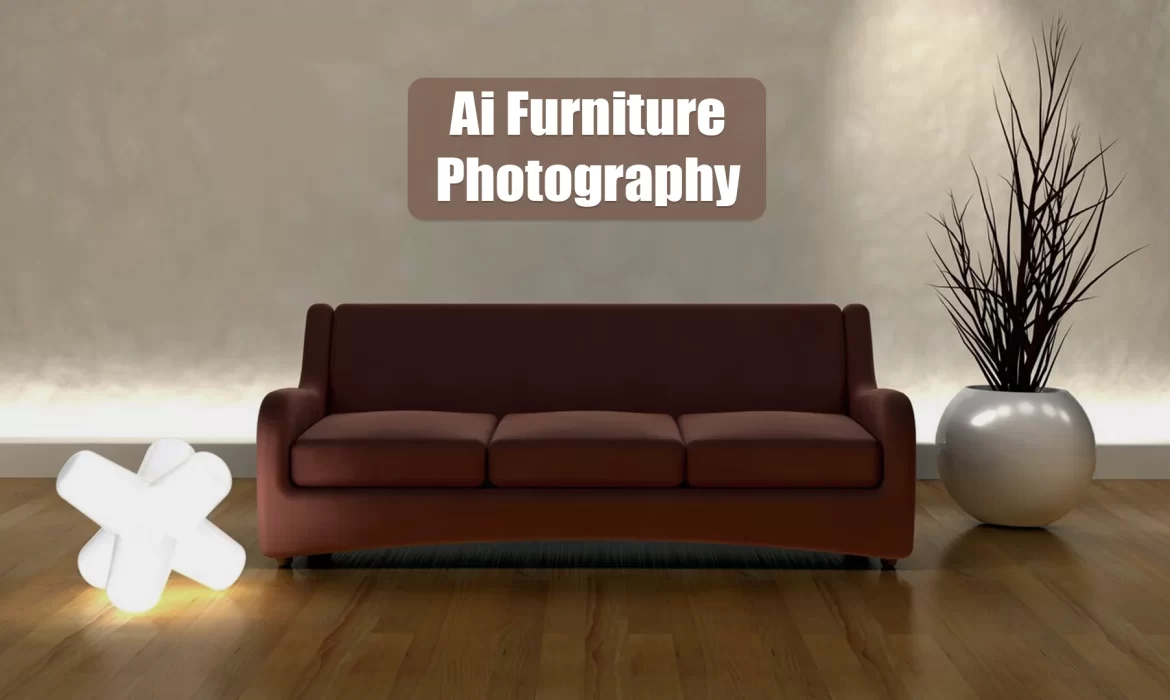
AI Furniture Photography: The Future of Image Editing
The way furniture photography is done is changing fast, and AI furniture photography is leading the way. Imagine taking furniture pictures that look professional without needing expensive cameras, lighting setups, or hours of editing. This is exactly what AI technology is making possible. Businesses, photographers, and designers are now using AI tools to create stunning images in just a few clicks. With AI furniture photography, even a simple smartphone picture can be turned into a high-quality product image. This new approach is saving time, reducing costs, and helping brands showcase their products more effectively than ever before.
What is AI Furniture Photography?
AI furniture photography refers to the use of artificial intelligence to capture, enhance, and edit furniture images automatically. Traditional furniture photography requires a controlled environment, professional cameras, and skilled photographers. However, AI-powered tools can now generate high-quality images by adjusting lighting, removing backgrounds, and enhancing details with just a few clicks. This technology is designed to simplify the photography process and make it accessible to everyone, even those without photography experience.
AI furniture photography works by analyzing images and applying advanced algorithms to improve them. These tools can remove unwanted objects, adjust colors, and even generate realistic shadows to make the furniture look more appealing. This process eliminates the need for costly photo shoots and allows businesses to create professional images quickly and affordably.
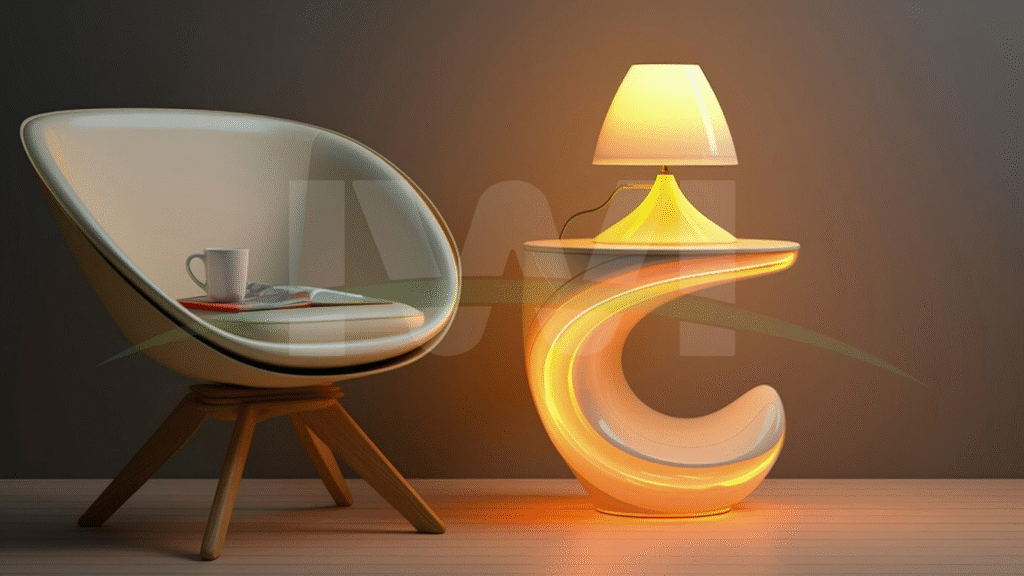
How AI is Changing Furniture Photography
The traditional method of photographing furniture involves setting up an expensive studio, hiring photographers, and spending hours on post-processing. AI furniture photography eliminates many of these challenges by offering automated solutions. AI tools can identify furniture in an image, enhance textures, and adjust lighting conditions instantly. This allows businesses to generate perfect images without the need for complicated setups.
One of the biggest advantages of AI furniture photography is the ability to remove backgrounds effortlessly. In the past, editing out a background required advanced Photoshop skills. Now, AI-powered tools can recognize furniture and isolate it from the background in seconds. This means businesses can create clean, professional-looking product images without needing a physical studio.
The Benefits of AI Furniture Photography
One of the biggest benefits of AI furniture photography is its cost-effectiveness. Hiring professional photographers and renting a studio can be expensive, but AI tools make it possible to create high-quality images at a fraction of the cost. Businesses can use AI software to edit photos in bulk, saving time and resources while still producing stunning results.
Another major benefit is speed. Traditional photography and editing can take hours or even days to complete. With AI furniture photography, the process is almost instant. AI can adjust lighting, fix colors, and remove imperfections in seconds, making it easier for businesses to upload and showcase their products faster.
Consistency is another key advantage. When using traditional photography methods, slight changes in lighting or camera angles can result in inconsistent images. AI furniture photography ensures that every image follows the same style and quality, providing a cohesive look across a brand’s product catalog.
Additionally, AI-powered tools can generate different styles and settings for furniture without needing new photos. For example, AI can place a piece of furniture in various room settings to show how it would look in different environments. This allows customers to visualize the product more effectively and increases the likelihood of making a purchase.
AI Furniture Photography and E-Commerce
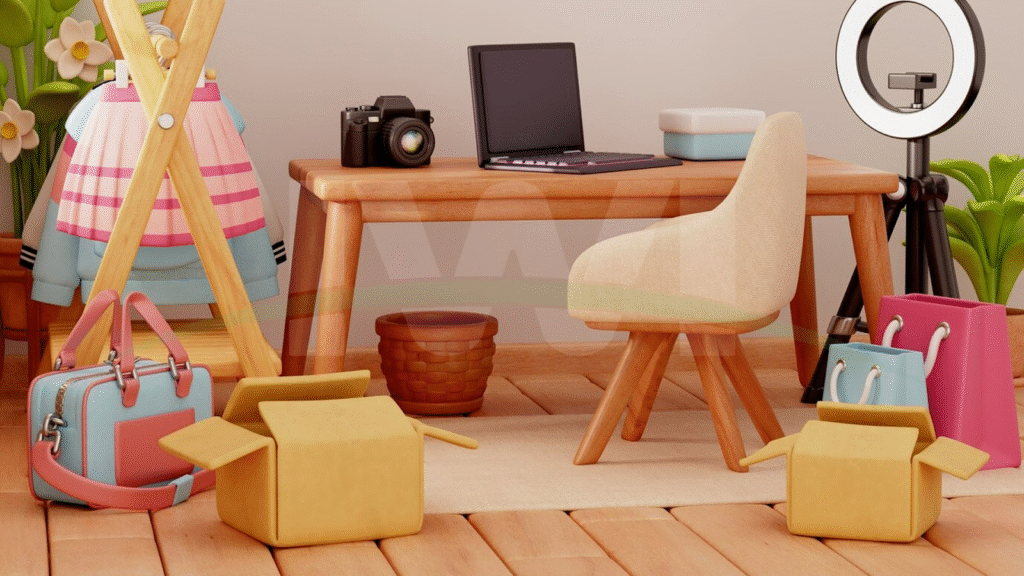
AI furniture photography is especially beneficial for e-commerce businesses. Online furniture stores rely heavily on high-quality images to attract customers, and AI makes it easier than ever to create stunning visuals. AI-powered editing tools allow sellers to remove distracting backgrounds, add shadows for realism, and enhance textures to make products look more appealing.
Virtual staging is another area where AI furniture photography is making a significant impact. AI can place furniture in digitally created rooms, allowing potential buyers to see how a piece will look in a home setting. This feature is highly effective for boosting sales, as customers can get a realistic idea of how the furniture will fit into their space.
The Role of AI in Image Editing
AI is not just improving photography but also revolutionizing image editing. AI-powered tools can automatically detect flaws in an image and correct them instantly. They can enhance sharpness, adjust lighting, and even create realistic reflections to make furniture look more attractive. These tools help photographers and businesses create stunning images without spending hours on manual editing.
AI can also generate multiple variations of the same image with different backgrounds and color adjustments. This feature is useful for businesses that want to target different audiences or test which images perform best in advertising campaigns.
The Future of AI Furniture Photography
The future of AI furniture photography looks promising, with new developments expected to make the process even more advanced. AI is expected to become even more intuitive, allowing users to create hyper-realistic images with minimal effort. Future AI tools may include real-time 3D modeling, allowing customers to rotate and view furniture from different angles without needing multiple images.
Another exciting development is the use of AI-generated environments. Instead of staging a real home, AI can create a variety of virtual backgrounds that match different styles and themes. This will make it even easier for businesses to showcase furniture in different settings without additional costs.
As AI technology continues to improve, furniture brands will have more opportunities to create stunning images that attract customers and boost sales. AI furniture photography is set to become an essential tool for businesses looking to stay ahead in the digital marketplace.
Conclusion
AI furniture photography is changing the way images are created and edited. By automating tasks like background removal, lighting adjustments, and virtual staging, AI is making professional-quality photography accessible to everyone. This technology is especially useful for e-commerce businesses, helping them create stunning images that attract customers and drive sales. As AI continues to evolve, the future of furniture photography looks more exciting than ever. Businesses that embrace AI furniture photography will have a competitive edge in the market, saving time, reducing costs, and improving the overall quality of their product images.
Frequently Asked Questions (FAQs)
How does AI furniture photography work?
AI furniture photography uses advanced algorithms to enhance and edit furniture images automatically. It can remove backgrounds, adjust lighting, and improve textures, making images look professional with minimal effort.
Is AI furniture photography better than traditional photography?
While traditional photography still has its place, AI furniture photography is faster, more cost-effective, and easier to use. It allows businesses to create high-quality images without expensive equipment or professional photographers.
Can AI furniture photography replace photographers?
AI can handle many aspects of photography, but professional photographers still bring creativity and expertise that AI cannot fully replicate. However, AI can assist photographers by reducing editing time and improving efficiency.
What are the best AI tools for furniture photography?
Some of the best AI tools for furniture photography include AI-powered background removal software, virtual staging tools, and AI-enhanced photo editing apps like Adobe Sensei, Remove.bg, and Canva’s AI image editor.
How can AI furniture photography benefit e-commerce businesses?
AI helps e-commerce businesses by creating high-quality images quickly, removing distractions, and generating virtual staging options. This improves the shopping experience and increases sales conversions.
Will AI furniture photography continue to improve?
Yes, AI technology is constantly evolving. Future advancements will include real-time 3D modeling, enhanced realism, and AI-generated environments, making furniture photography even more efficient and realistic.
360-Degree Furniture Photography: Techniques and Tools
Capturing furniture in the best light is essential for showcasing its beauty, details, and functionality. But in today’s digital world, static images are no longer enough. Customers want a complete view of the product before making a purchase. This is where 360-degree furniture photography comes in. It allows viewers to interact with a rotating image, providing a full, immersive experience. If you are a furniture seller, photographer, or e-commerce store owner, mastering 360-degree furniture photography can take your product presentation to the next level.
What is 360-Degree Furniture Photography?
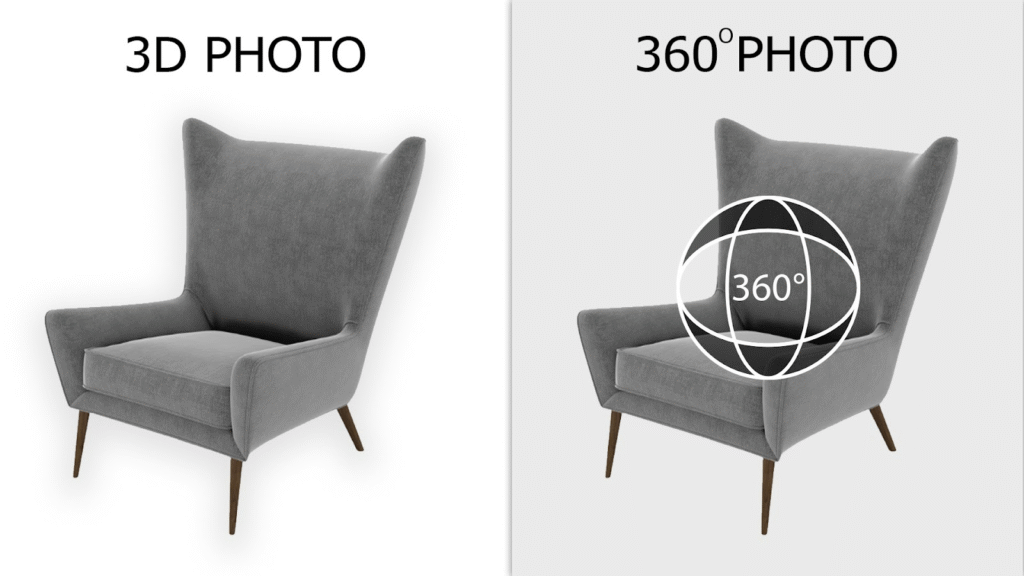
360-degree furniture photography refers to the process of capturing a series of images that provide a full, interactive, and rotating view of a piece of furniture. Unlike traditional photos, where only a single perspective is shown, 360-degree furniture photography allows potential buyers to see every side of the item. This immersive experience can help them better understand the design, dimensions, and features of the furniture, which increases their confidence in making a purchase.
The goal of 360-degree furniture photography is not only to provide clear and detailed images but also to make the shopping experience more engaging for the customer. With the rise of online shopping, customers want to experience products in a way that closely mimics physical store visits. 360-degree photography bridges this gap, allowing consumers to rotate the product and examine it from all angles.
The Importance of 360-Degree Furniture Photography for E-Commerce
E-commerce has become the dominant way people shop for furniture, but online shopping often lacks the tactile experience that brick-and-mortar stores provide. Customers cannot touch, feel, or examine a piece of furniture physically, which can make it difficult for them to make purchasing decisions. Traditional flat photos often don’t give enough context, leaving customers uncertain about how the product will look in their space.
This is where 360-degree furniture photography comes in. By offering a 360-degree view, customers can explore the product as if they were physically interacting with it. They can zoom in to see intricate details, rotate the piece to view different angles, and even tilt it to get a better sense of the item’s size and proportions. For businesses, this translates into higher customer engagement and a greater likelihood of making a sale.
Essential Techniques for 360-Degree Furniture Photography
To create high-quality 360-degree furniture photography, you need to follow the right techniques. Proper setup, lighting, and camera work are essential for achieving professional results.
1. Choosing the Right Equipment
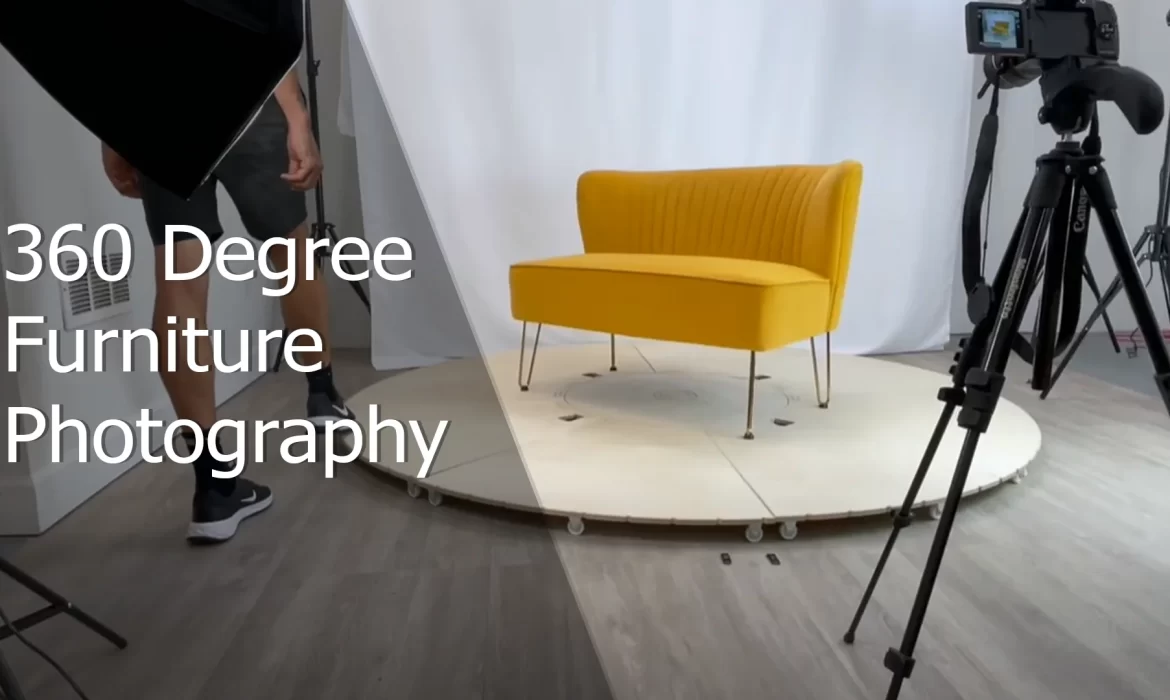
The right equipment is the foundation of excellent 360-degree furniture photography. You will need:
- A high-resolution camera for clear and detailed images.
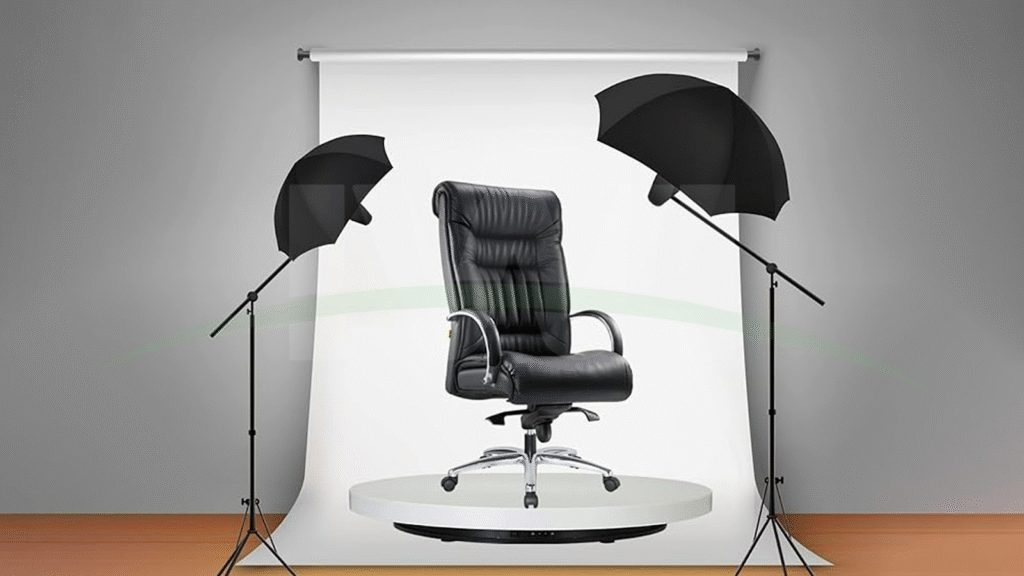
- A turntable that rotates smoothly to capture all angles evenly.
- A tripod to keep the camera stable.
- Proper lighting equipment to avoid harsh shadows and reflections.
A turntable is particularly important because it ensures consistent angles and smooth transitions between shots. Manual rotation is possible, but it requires precise adjustments to maintain uniformity.
2. Setting Up the Shooting Area
A clean and well-lit space is essential for 360-degree furniture photography. Choose a neutral background, such as a plain white or gray wall, to avoid distractions. If possible, use a dedicated studio with controlled lighting conditions. Softbox lights or diffused lighting help eliminate harsh shadows and provide an even look.
The distance between the camera and the furniture should be carefully measured to ensure the entire piece is in frame. Keep the camera at a consistent height to maintain proportionality across all shots.
3. Proper Lighting Techniques
Lighting is one of the most critical aspects of 360-degree furniture photography. Poor lighting can result in dark spots, unwanted reflections, or unnatural colors. Natural light is a good option, but for consistent results, studio lighting is preferred. Use multiple light sources positioned at different angles to minimize shadows and enhance the furniture’s details.
If the furniture has reflective surfaces, consider using a polarizing filter to reduce glare. Adjust the intensity of the lights to highlight textures and colors accurately.
4. Camera Settings for the Best Results
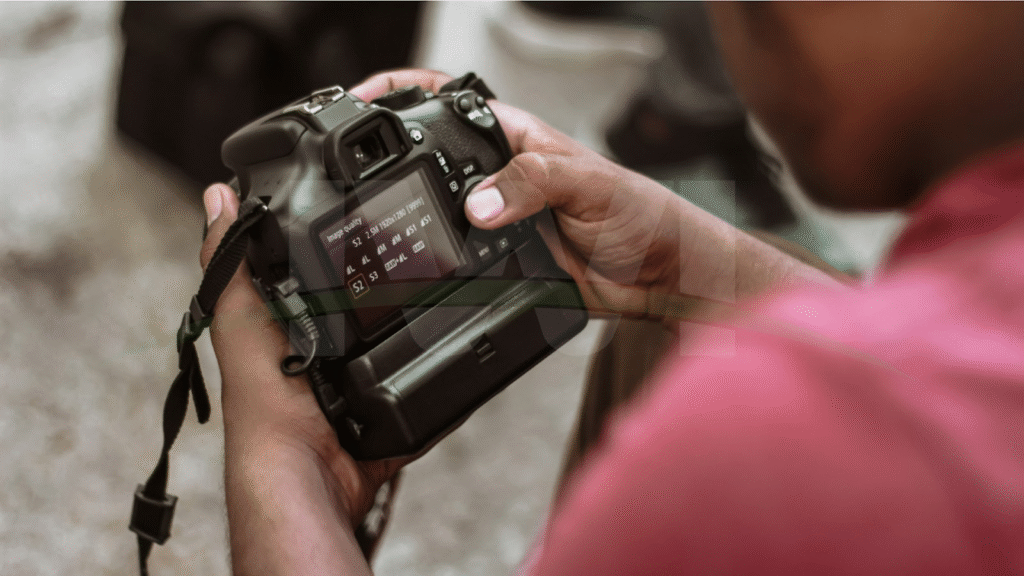
Adjusting your camera settings correctly ensures high-quality images. Use a low ISO setting (100–200) to avoid noise and graininess. A narrow aperture (f/8 to f/11) keeps the entire furniture piece sharp and in focus. A slow shutter speed can be used if the camera is on a tripod to maintain clarity without motion blur.
White balance should be adjusted based on the lighting conditions to maintain color accuracy. Shooting in RAW format is recommended for better post-processing flexibility.
5. Capturing the Shots
To create 360-degree furniture photography, take multiple shots as the furniture rotates. The number of shots depends on how smooth you want the rotation to be. A typical setup includes 24, 36, or even 72 images, depending on the level of detail required.
Manually rotating the furniture after each shot requires precision to maintain even spacing. Using a motorized turntable can simplify this process by providing smooth and automatic rotation.
Tools for 360-Degree Furniture Photography
Creating professional-quality 360-degree furniture photography requires the right equipment. Below are some of the essential tools you’ll need to produce stunning 360-degree images.
Online Viewers
To display 360-degree furniture photography, online platforms like Shopify, WordPress, and WooCommerce offer plugins that support interactive images. These tools help customers interact with the images smoothly, improving their shopping experience.
Camera
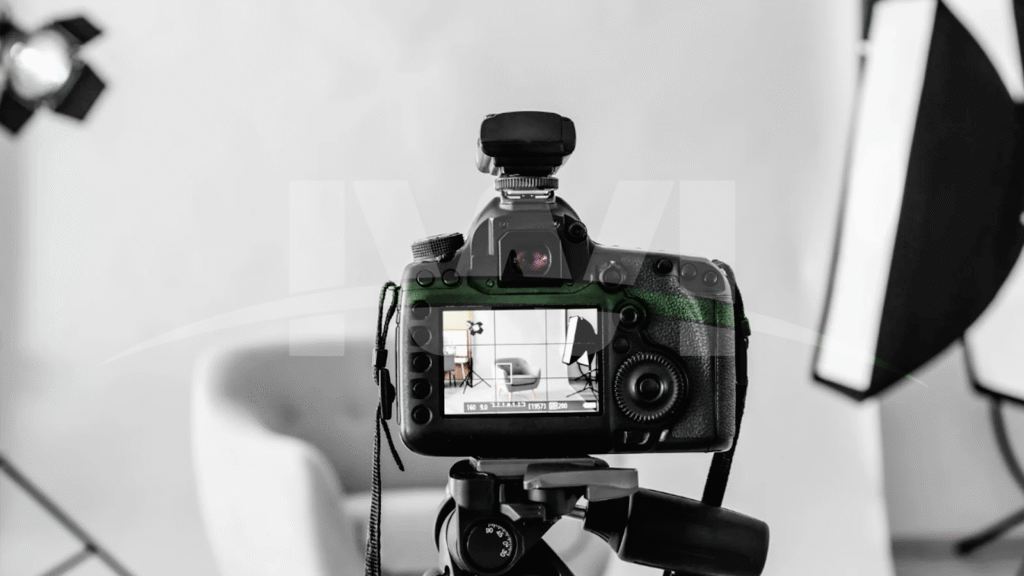
The camera is the most critical piece of equipment for any photography project. While smartphones with high-quality cameras can work for some types of photography, 360-degree furniture photography requires a DSLR or mirrorless camera with manual controls. This allows you to adjust the exposure, focus, and depth of field to achieve optimal results.
A camera with a good resolution (ideally 20 megapixels or higher) is recommended for capturing the fine details of furniture. It ensures that the images remain sharp and clear, even when zoomed in during the interactive 360-degree rotation.
Tripod
A sturdy tripod is essential for 360-degree furniture photography. Since the camera needs to remain in a fixed position while the furniture rotates, a tripod ensures that the camera stays steady and aligned throughout the shoot. Tripods with adjustable height and rotation capabilities are ideal, as they allow you to set up the camera at the right height and angle for the best results.
Turntable
A rotating turntable is one of the most valuable tools for 360-degree furniture photography. It allows the furniture to rotate smoothly while keeping the camera in a fixed position. This eliminates the need for manual rotation, making the process faster and more consistent. Automated turntables are especially useful for large furniture items or those with intricate designs that require precise rotation.
Photo Editing Software
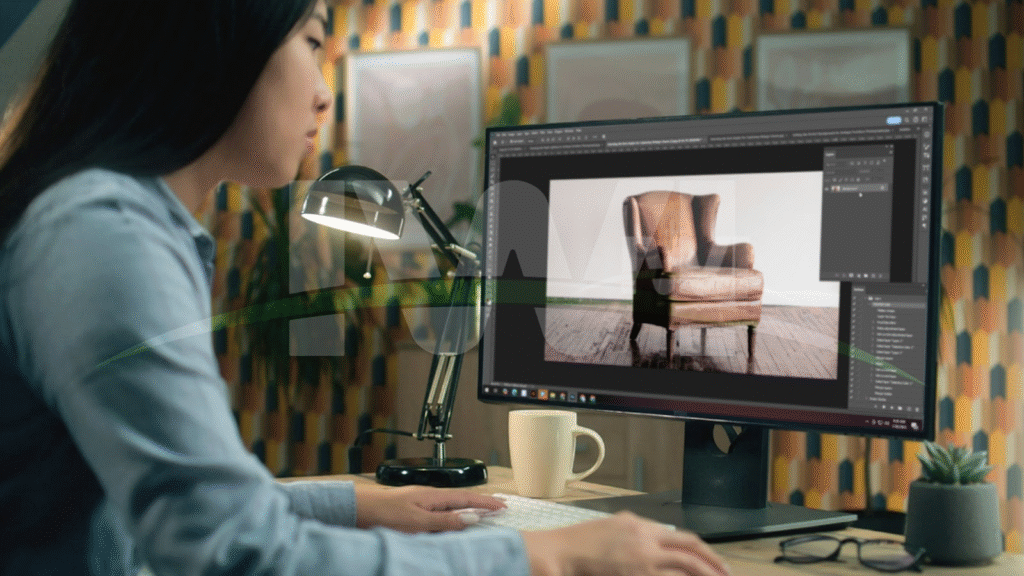
After capturing the images, you’ll need photo editing software to enhance the final result. Software like Adobe Photoshop or Lightroom can be used to adjust the brightness, contrast, and color balance of each image to ensure they look consistent and vibrant. Some 360-degree photography software also allows you to stitch the images together into an interactive viewer, which you can then embed on your website or e-commerce platform.
360-Degree Photography Software
To bring your 360-degree furniture photography to life, you’ll need specialized software. This software allows you to upload and stitch your images into a single rotating file that can be embedded on websites. There are various options available, such as 3D Vista, Pano2VR, and Sirv, which enable you to create a smooth, interactive 360-degree experience for your customers.
Post-Processing and Enhancements
After capturing the images, editing is necessary to enhance quality. Adjust brightness, contrast, and sharpness to ensure a polished look. Background removal may be required to create a clean, professional appearance.
If needed, retouch imperfections and color correct the images to match the furniture’s actual look. The final images should be exported in a web-friendly format to ensure fast loading times without compromising quality.
Conclusion
360-degree furniture photography is an essential tool for modern e-commerce, providing an immersive and interactive shopping experience for customers. By following the right techniques, using the appropriate tools, and adhering to best practices, you can create stunning, detailed images that will help your furniture business stand out in a competitive market. Whether you’re a small business or a large retailer, investing in 360-degree furniture photography can elevate your brand and drive more sales by offering a realistic, engaging product presentation that enhances the customer shopping journey.
Frequently Asked Questions (FAQs)
Why is 360-degree furniture photography better than regular photos?
360-degree furniture photography allows customers to see all angles of a product, giving them a better understanding of its design, quality, and features. This leads to higher customer confidence and fewer returns.
How many images do I need for a smooth 360-degree view?
The number of images depends on the desired smoothness. Typically, 24 to 72 images are used for professional results.
What type of camera is best for 360-degree furniture photography?
A high-resolution DSLR or mirrorless camera is recommended for capturing sharp and detailed images. It should have manual settings to control exposure, aperture, and focus.
Can I use my smartphone for 360-degree furniture photography?
While a smartphone with a good camera can be used, the results may not be as professional as those taken with a DSLR or mirrorless camera. Using a tripod and proper lighting can help improve image quality.
What software do I need to create 360-degree views?
Software like WebRotate 360, Sirv, and Adobe Photoshop can be used to stitch images together and create an interactive rotating view.
Is 360-degree furniture photography expensive?
The cost depends on the equipment and software used. While professional setups can be costly, there are affordable options available for small businesses and beginners.
By implementing 360-degree furniture photography, you can transform the way customers interact with your products, ultimately leading to better sales and customer satisfaction.
Innovative Furniture Photography Ideas to Try Today
If you’re a furniture enthusiast or a photographer looking to explore new techniques, you’re in for a treat. The world of furniture photography is a vibrant one, filled with endless possibilities to showcase the beauty and functionality of furniture in creative ways. Whether you’re photographing a new collection for a catalog, posting on social media, or just looking to capture your favorite furniture pieces at home, the right furniture photography ideas can make all the difference. In this article, we’ll dive into some innovative and fresh furniture photography ideas you can try today. By the end, you’ll be inspired to experiment and create stunning images that capture your furniture in its best light.
Understanding the Basics of Furniture Photography
Before diving into innovative furniture photography ideas, it’s essential to have a grasp of the basic concepts. The first thing to understand is that furniture photography isn’t just about capturing a chair or a table; it’s about telling a story. A well-composed shot can evoke emotions, showcase the quality of materials, and highlight unique design elements. Lighting, angles, and backgrounds all play a significant role in how your furniture piece is perceived.
Good furniture photography can highlight texture, color, and scale, allowing potential buyers or viewers to truly appreciate the craftsmanship. That’s why implementing fresh and innovative ideas can help set your work apart and provide more dynamic and engaging images.
1. Play with Light and Shadows
Lighting is one of the most important factors in any form of photography, and furniture photography is no exception. However, innovative furniture photography ideas often include unconventional lighting techniques that add depth and drama to your shots. Consider experimenting with natural light and artificial sources to create contrasting shadows and highlights. A soft light from a window can give your furniture a natural, inviting look, while harsh lighting can create stark shadows, emphasizing the contours and shapes of the piece.
For more creative furniture photography ideas, think about using colored gels or diffusers. Colored gels can create a mood that matches the style of the furniture, while diffusers soften light and remove harsh reflections. Another popular technique is backlighting, which can add a glowing effect to the edges of your furniture, making it stand out in the image.
2. Experiment with Reflections
Reflections can create a stunning visual effect in furniture photography. Whether it’s the reflection of a sofa in a polished floor or the mirrored surface of a coffee table, incorporating reflective surfaces adds an extra dimension to your shot. Reflections can be used to emphasize the shape of the furniture or create an artistic, symmetrical effect.
For a more creative approach, consider using a reflective surface like a mirror or glass table top to photograph the furniture at an angle. This allows the viewer to see the furniture from multiple perspectives simultaneously. Experimenting with reflections in your furniture photography ideas can add an artistic flair and make your images stand out in a crowded marketplace.
3. Showcase the Furniture in Real-Life Settings
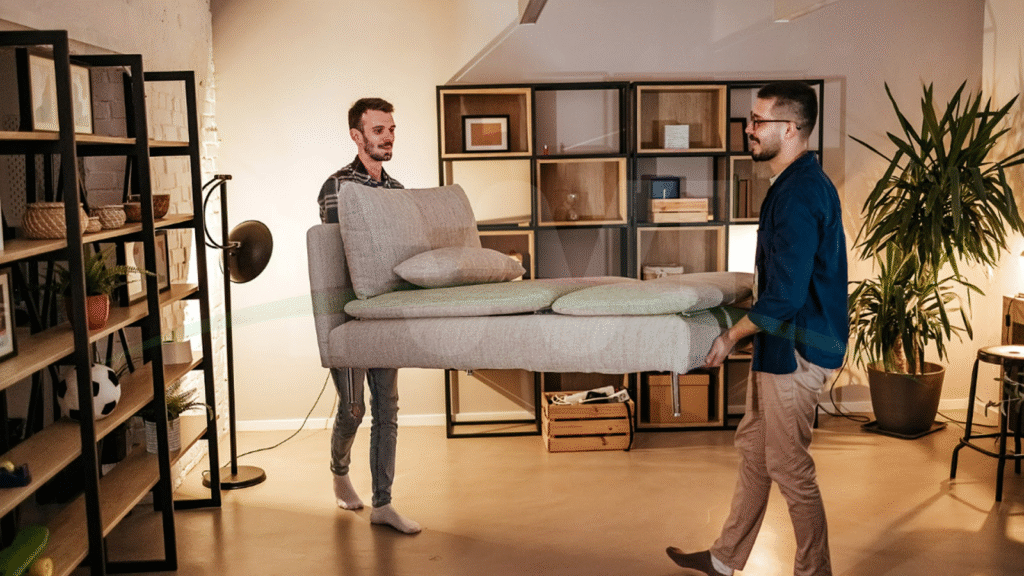
Sometimes, the best furniture photography ideas come from capturing furniture in real-life settings. Instead of staging shots in a studio, try photographing furniture in its natural environment. For example, if you’re shooting a sofa, set it up in a well-designed living room, with cozy lighting, decorative pillows, and plants around it. This allows potential customers or viewers to imagine the piece in their own homes, giving them a more relatable context.
To make the setting feel authentic, consider the lifestyle and personality of the person who might use the furniture. Is the space a modern, sleek apartment, or a warm, rustic farmhouse? Tailor the decor around the furniture to create a story that resonates with the viewer.
4. Use Movement for Dynamic Shots
Furniture photography doesn’t have to be static. Introducing movement into your shots can breathe new life into your photos. For example, you can have a person interact with the furniture, whether they’re sitting on a chair, lounging on a couch, or adjusting a table. Capturing the way people use the furniture can make the image feel more dynamic and relatable.
Another innovative furniture photography idea involves using a slow shutter speed to capture motion blur. This could be used to show the smoothness of a chair’s rocking motion or the fluidity of a sofa’s fabric when someone sits down. These shots can evoke a sense of comfort and relaxation, which is often what people look for when choosing furniture for their homes.
5. Incorporate Bold and Unexpected Backgrounds
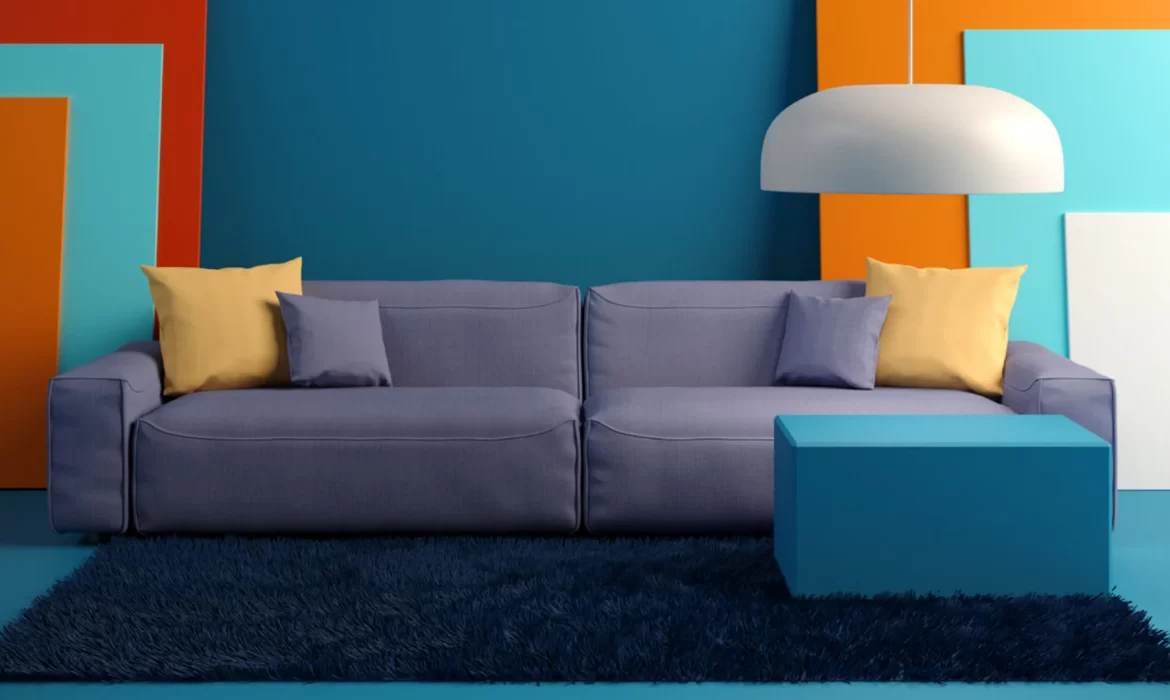
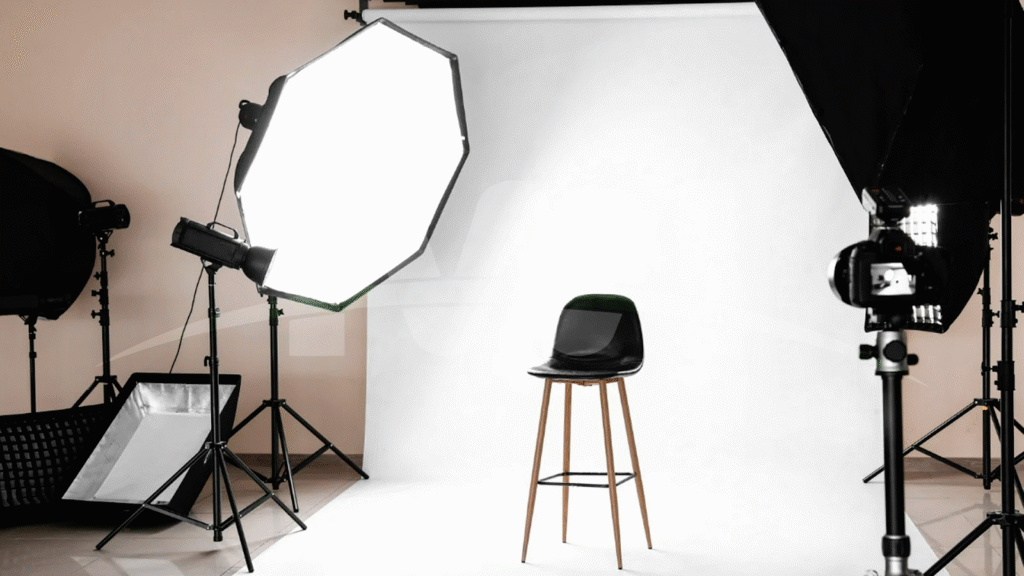
Backgrounds can significantly affect the mood and visual appeal of a photo. Innovative furniture photography ideas often involve bold, unconventional backgrounds. Instead of the typical plain white or gray backdrop, consider using textured surfaces such as brick walls, wooden floors, or fabric drapes. A rich, contrasting background can make the furniture piece stand out and add an element of surprise to your shots.
If you’re photographing modern or minimalist furniture, consider using clean, geometric backgrounds like smooth concrete or glass. For a rustic or vintage vibe, distressed wood or weathered paint can complement the furniture’s character. The key is to ensure that the background complements the furniture rather than overpowering it.
6. Utilize Minimalism to Let the Furniture Speak for Itself
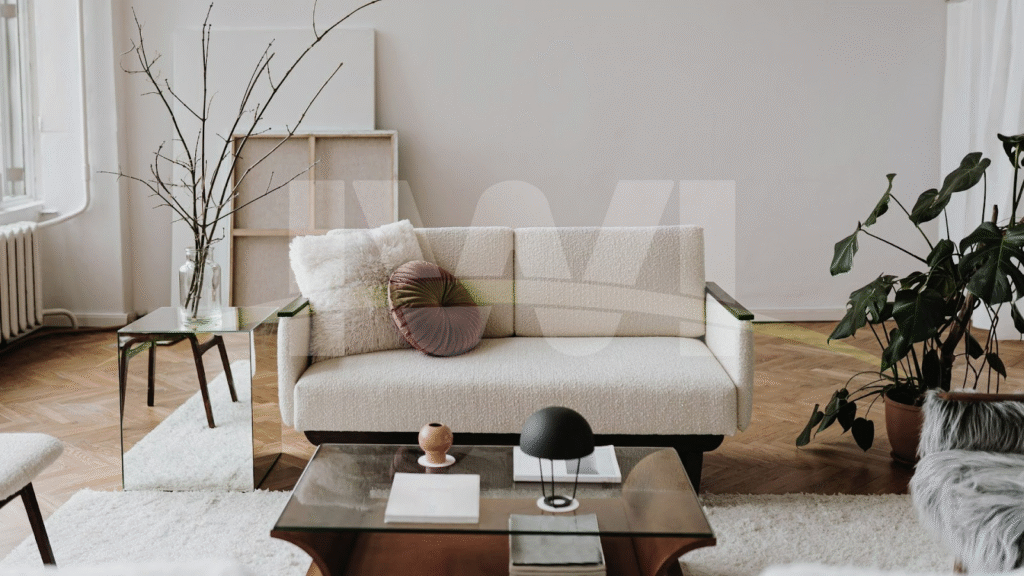
Minimalist photography is another trend that’s gaining traction in furniture photography. By keeping the scene simple and uncluttered, you can allow the furniture to be the focal point of the image. A minimal background, a few carefully chosen props, and a simple color palette will highlight the design and form of the furniture.
When using minimalist furniture photography ideas, the key is to focus on the essentials. Make sure the furniture is perfectly lit, positioned well, and captured from an angle that emphasizes its design. Less is often more when it comes to minimalist photography.
7. Focus on Close-Up Shots to Highlight Details
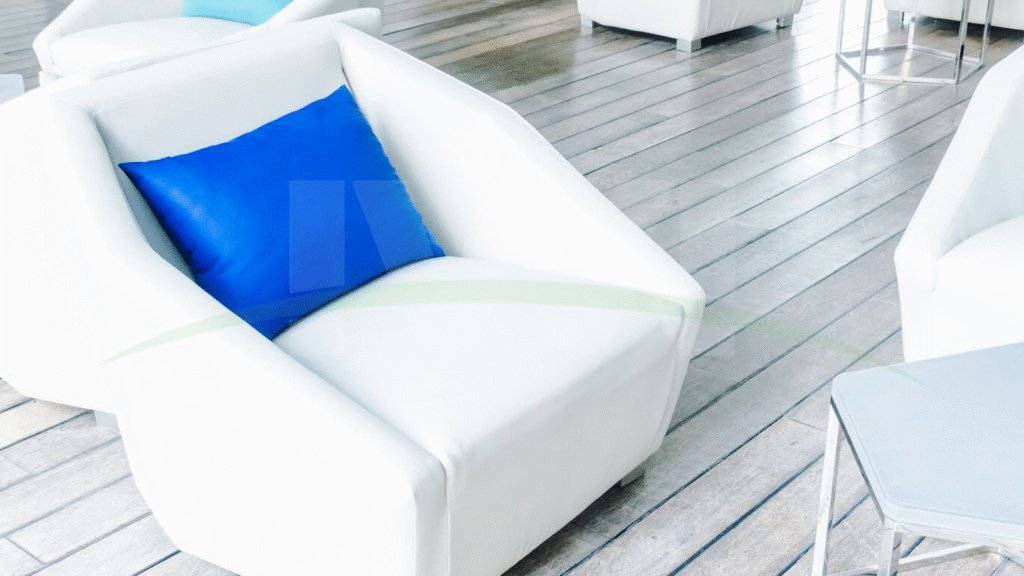
One of the most effective furniture photography ideas is to capture close-up shots that emphasize intricate details. Furniture is often defined by its texture, finish, stitching, or hardware, and focusing on these aspects can reveal the quality of craftsmanship. For instance, a close-up of the stitching on a leather chair or the grains of wood on a table can be a visually striking addition to your photo collection.
To take your close-up furniture photography to the next level, use a macro lens for sharpness and precision. A shallow depth of field can help blur the background, making the details pop even more. Close-ups also allow you to capture the furniture from unique angles that showcase features that might be overlooked in wide shots.
8. Try Creative Props to Enhance the Scene
While furniture itself is the star of the show, incorporating creative props can help tell a story or evoke a certain mood. Think about adding a vase of flowers on a table, a blanket draped over a chair, or even a book left casually on a coffee table. Props like these can make the setting feel more lived-in and personalized.
Just make sure the props don’t overshadow the furniture. The idea is to enhance the scene without distracting from the main subject. Creative props can elevate your furniture photography ideas and help make the space feel more inviting and functional.
9. Add an Artistic Touch with Creative Angles
The way you position the camera plays a significant role in how furniture is perceived in a photograph. Innovative furniture photography ideas often incorporate unique and unexpected camera angles to create striking visuals. For example, shooting a chair from the floor looking up can emphasize its height and elegance, while capturing a coffee table from above can showcase its shape and arrangement.
You can also experiment with diagonal or tilted shots to break the usual straight-on or side-on perspectives. By shifting the perspective, you create visual interest and make the furniture seem more dynamic.
Conclusion
Furniture photography is an art that requires creativity, attention to detail, and a bit of experimentation. By trying out innovative furniture photography ideas, you can transform ordinary images into visually stunning works that capture the beauty, function, and style of furniture. Whether you’re focusing on lighting, exploring new backgrounds, or adding dynamic movement, the possibilities are endless. So grab your camera and start experimenting with these creative furniture photography ideas today!
Frequently Asked Questions (FAQs)
What are the best lighting techniques for furniture photography?
Lighting plays a critical role in furniture photography. Natural light, diffused using a softbox or curtain, can make furniture look inviting. For more dramatic effects, use harsh lighting or colored gels. Experiment with backlighting to create a glowing effect and use shadows to highlight the form and texture of the piece.
How do I make my furniture photos look more dynamic?
To add dynamism, consider using creative angles, incorporating movement, and playing with reflections. You can also experiment with close-up shots to capture the finer details and textures. Adding props or shooting in real-life settings can also make your images feel more dynamic and relatable.
Should I shoot furniture in a studio or at home?
It depends on the look you’re going for. A studio offers controlled lighting and backgrounds, while shooting furniture at home can give your photos a natural, lived-in feel. Both approaches have their advantages, so consider mixing them to give variety to your portfolio.
How can I show the scale of furniture in my photos?
To effectively show scale, include a person or other common objects for comparison. A person sitting on a sofa or standing beside a chair can give the viewer a sense of the furniture’s actual size and make the piece feel more relatable.
What camera settings should I use for furniture photography?
To capture sharp, high-quality images, use a low ISO setting (100 or 200), a small aperture (f/8 to f/11) for a wide depth of field, and a tripod to avoid camera shake. A low aperture can also be used to create a blurred background for close-up shots, emphasizing the furniture.
Can props be used in furniture photography?
Yes, props can enhance your furniture photos by adding context and creating an inviting scene. Just be mindful of not overpowering the furniture itself. Simple props like books, plants, or blankets can help set the mood and complement the furniture’s design.

AI-Driven Virtual Staging Apps: Best Free Tools in 2025
Imagine transforming an empty room into a beautifully designed living space with just a few clicks on your device. Thanks to the advancements in technology, virtual staging AI apps have revolutionized the real estate and interior design industries. These innovative tools allow you to stage a property digitally, making it visually appealing and market-ready without the hassle of physical staging. In 2025, virtual staging AI apps are not only efficient but also increasingly accessible, offering free options that deliver professional-quality results. Let’s dive into the world of virtual staging AI apps and explore the best free tools available this year.
What Is a Virtual Staging AI App?
A virtual staging AI app is a software tool that uses artificial intelligence to digitally furnish and decorate spaces in real estate photos. Instead of physically staging a home, these apps allow users to upload images of empty or minimally furnished rooms and add virtual furniture, decor, and design elements to make them look more attractive. These tools are especially valuable for real estate professionals looking to make properties stand out in competitive markets.
What sets these apps apart is their use of AI, which ensures that the staging looks natural and realistic. They analyze the layout, lighting, and dimensions of a room to suggest suitable furniture and design styles. This means you can create tailored staging that appeals to your target audience—whether it’s a modern, minimalist aesthetic or a cozy, traditional vibe.

Why Use a Virtual Staging AI App?
The appeal of using a virtual staging AI app is easy to see. For starters, traditional staging involves hiring professionals to bring in real furniture, decor, and accessories, which can be incredibly expensive. Additionally, it requires considerable time and effort to move things around and get everything set up. On the other hand, with an AI-driven virtual staging app, these tasks are completed within minutes.
But the benefits don’t stop there. A virtual staging AI app can also help you target specific buyer demographics by offering various design styles and themes. Want to showcase a minimalist living room or a cozy farmhouse aesthetic? You can choose exactly how you want your space to appear. The ability to instantly try different looks without any physical effort is a huge advantage for anyone looking to sell or rent a property.

Why Use Virtual Staging AI Apps in 2025?
The popularity of virtual staging AI apps has skyrocketed in recent years, and it’s easy to see why. Here are some reasons why these tools are indispensable in 2025:
Cost-Effective: Traditional staging can cost thousands of dollars per property, while many virtual staging AI apps offer free options or affordable premium plans.
Time-Saving: Instead of waiting days or weeks for physical staging, virtual staging can be completed in a matter of minutes.
Customizable: These apps offer a wide range of furniture styles, color schemes, and design options, allowing users to tailor the staging to their preferences.
Eco-Friendly: Virtual staging eliminates the need for transporting and manufacturing physical furniture, making it a more sustainable choice.
Convenient: With just a few clicks, you can stage multiple properties and showcase them to potential buyers online.
Best Free Virtual Staging AI Apps in 2025
Now, let’s take a look at the best free virtual staging AI apps you can use in 2025. Whether you’re a real estate agent looking to showcase listings or just someone wanting to visualize a new look for your space, these apps are great starting points.
1. Coohom
Coohom is a top-rated virtual staging app that offers cutting-edge AI-powered tools for home staging and interior design. Known for its intuitive interface, Coohom allows users to upload photos of empty rooms and transform them with virtual furniture, décor, and accessories. With its free plan, you can access a vast library of high-quality 3D models to create stunning, realistic designs. Coohom is ideal for real estate agents, homeowners, and interior designers who want to visualize potential layouts without hiring a professional. Additionally, its drag-and-drop functionality and fast rendering speed make the process seamless and efficient. The platform also supports 4K rendering for breathtaking visuals, helping you present your staged spaces in the best possible light. Whether you’re staging a cozy living room or a luxurious master bedroom, Coohom delivers professional-grade results without breaking the bank.
2. Homestyler
Homestyler is a versatile virtual staging app designed for beginners and professionals alike. With its AI-driven technology, you can easily stage homes and visualize design ideas in minutes. Users can upload photos of empty or cluttered spaces and redecorate them using Homestyler’s extensive catalog of furniture, flooring, lighting, and accessories. The platform’s drag-and-drop feature simplifies the design process, making it accessible to those without technical expertise. One of Homestyler’s standout features is its ability to render 3D designs in real-time, offering a highly realistic view of staged interiors. Additionally, the app provides customizable templates and pre-designed layouts for quick and efficient staging. Homestyler’s free plan allows users to create basic designs, while paid plans unlock advanced features. Whether you’re a realtor looking to sell properties faster or a homeowner exploring remodeling ideas, Homestyler is an excellent tool for creating visually stunning spaces.

3. RoomGPT
RoomGPT is an innovative virtual staging tool that uses AI to transform any room into a beautifully staged space. Unlike traditional staging apps, RoomGPT focuses on simplicity and automation, making it perfect for users with limited design experience. You can upload a photo of your room, and the AI will automatically suggest multiple design styles, such as modern, rustic, or minimalist. Its free version offers a streamlined experience with no complicated tools, making it ideal for quick staging tasks. RoomGPT also excels in generating layouts that maximize space and functionality, helping you envision the potential of your interiors. Whether you’re preparing a property for sale or simply want to experiment with new looks, RoomGPT offers fast and reliable results. Its ability to cater to diverse design preferences makes it a go-to choice for anyone seeking effortless virtual staging solutions.
4. Planner 5D
Planner 5D is a powerful and user-friendly app that combines interior design with virtual staging capabilities. This platform is perfect for individuals who want to create highly detailed and customizable room designs. With Planner 5D, you can upload photos of your rooms and furnish them using an extensive library of furniture, textures, and color options. The app allows for both 2D and 3D viewing modes, giving users a comprehensive perspective on their designs. Planner 5D’s AI tools simplify the staging process, while its photorealistic rendering ensures your staged spaces look professional and appealing. The free version offers essential features, making it accessible for basic staging needs. For those who want more advanced tools, such as HD renders and unlimited project creation, Planner 5D also offers premium plans. Whether you’re a DIY enthusiast or a real estate professional, this app is an excellent choice for creating stunning virtual spaces.
5. VisualStager
VisualStager is a specialized virtual staging app designed specifically for real estate professionals and homeowners. This web-based platform allows users to stage properties online without the need to download software. With VisualStager, you can upload room photos and choose from over 4,000 furniture and décor items to create realistic, professionally staged interiors. The app’s AI-driven technology makes it easy to resize, rotate, and position items for a perfect fit. VisualStager is particularly popular among realtors who want to enhance property listings with visually appealing staged photos. Its free version provides basic tools for quick staging, while premium features, such as high-resolution exports and custom branding, are available in paid plans. VisualStager’s user-friendly interface and impressive design options make it a reliable choice for anyone looking to improve their virtual staging projects.

How to Get the Best Results with Virtual Staging AI Apps
While virtual staging AI apps can work wonders, it’s essential to keep a few best practices in mind to get the most out of them.
Start with High-Quality Photos
One of the keys to getting great results from a virtual staging AI app is starting with high-quality photos of the empty room. A well-lit, high-resolution image will allow the app’s AI to work its magic and produce a realistic and appealing design.
Experiment with Different Styles
Don’t be afraid to play around with different design styles. AI tools often give you the freedom to try various looks, so you can experiment until you find the one that resonates most with your target audience.
Pay Attention to Scale
It’s important to ensure that the furniture and decor you add to your room are scaled correctly to match the room’s size. Many virtual staging AI apps will automatically adjust the furniture’s size, but it’s still a good idea to double-check that everything looks proportional and fits the space naturally.
Refine the Details
Once you have the basics of your virtual staging in place, take time to refine the details. Make sure the furniture is arranged cohesively and consider adding finishing touches like rugs, lamps, or plants to complete the look.

Conclusion
AI-driven virtual staging apps have revolutionized the way we present and design spaces, especially in the real estate industry. With a growing number of powerful yet free virtual staging AI apps available in 2025, anyone can create stunning room designs in just a few clicks. Whether you’re looking to sell a property or simply redesign your living room, these tools can help you achieve professional-looking results with ease. So, what are you waiting for? Try one of these free virtual staging AI apps today and bring your space to life!
Frequently Asked Questions (FAQs)
What is virtual staging AI?
Virtual staging AI is technology that uses artificial intelligence to digitally furnish and decorate empty rooms. This allows users to quickly transform a space, showcasing it in a way that appeals to potential buyers, renters, or viewers.
Are virtual staging AI apps free to use?
Yes, many virtual staging AI apps offer free versions that allow users to create beautiful staged rooms. However, some apps may offer additional premium features or more advanced tools for a fee.
How does virtual staging AI work?
Virtual staging AI works by analyzing a photo of an empty room and then applying AI algorithms to insert realistic furniture, decor, and accessories. The software allows users to customize the design by selecting different items or adjusting the layout.
How accurate is virtual staging AI?
The accuracy of virtual staging AI depends on the app you’re using and the quality of the input image. Top-tier apps can generate highly realistic results that closely resemble real-world staging.
Can I use virtual staging AI for real estate?
Absolutely! Virtual staging AI is particularly useful for real estate agents, as it allows them to showcase properties in a way that makes them more attractive to potential buyers. It’s also a great option for rental listings, especially when staging costs are prohibitive.
Can virtual staging AI help with design ideas for my home?
Yes! Virtual staging AI is an excellent tool for homeowners looking to experiment with different interior design styles before committing to any major changes. You can visualize various furniture arrangements, color schemes, and decor items to see what works best in your space.
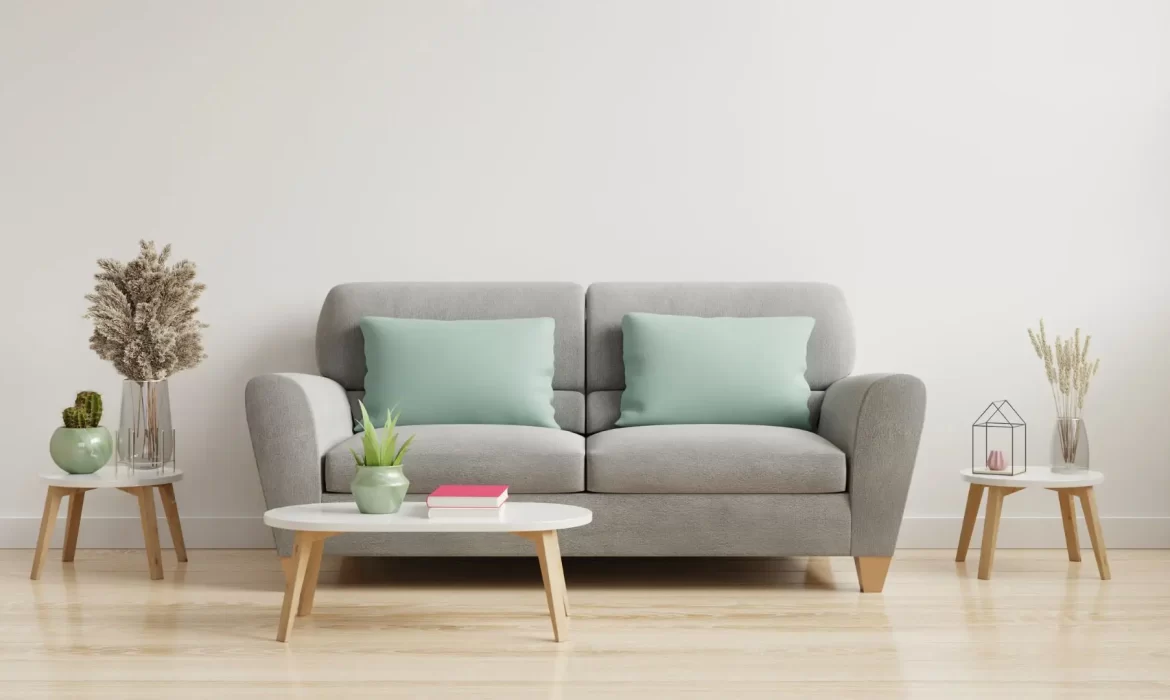
Using Props for Furniture Photography: Ideas for Adults
Furniture photography is an art that requires creativity, attention to detail, and the right set of props to bring each piece to life. Whether you are a professional photographer, a furniture retailer, or someone who wants to showcase their home decor beautifully, using photography furniture props for adults can make your images more engaging and visually appealing. The right props create a story around the furniture, enhance its aesthetic value, and help potential buyers or viewers connect with the piece. In this guide, we will explore different prop ideas, styling techniques, and essential tips to elevate your furniture photography.
Why Props Matter in Furniture Photography
When capturing furniture, an empty or plain setting can make the image feel lifeless and uninviting. Props help fill the frame, adding warmth, character, and depth to the composition. The right photography furniture props for adults create a lived-in feel, helping viewers imagine the furniture in their own space. They also highlight the texture, color, and functionality of the furniture piece, making the images more relatable and engaging.
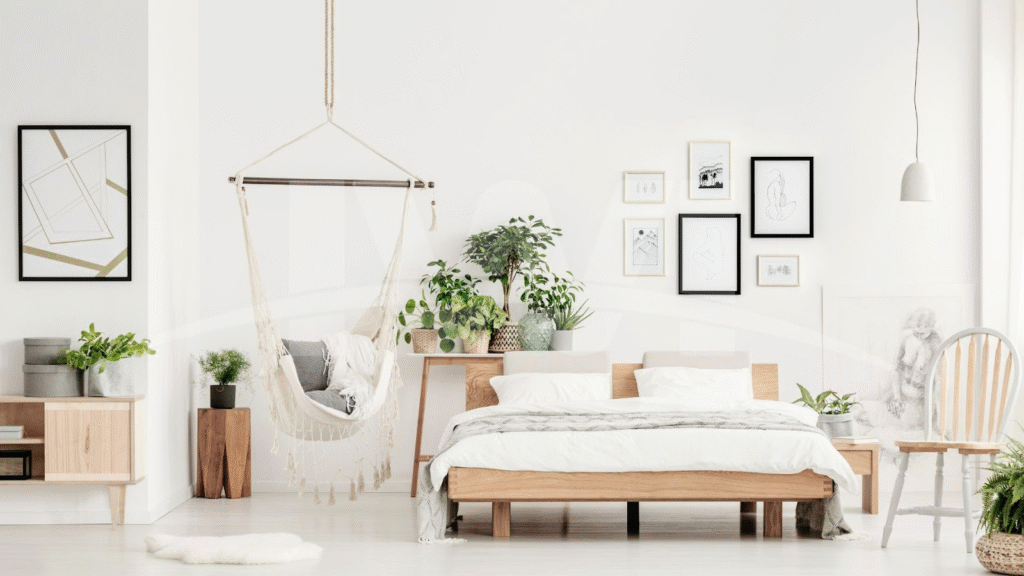
Choosing the Right Photography Furniture Props for Adults
The first step in creating stunning images is understanding what props work best with the specific furniture you’re shooting. You don’t want to overcrowd the space, but at the same time, you want to give viewers a sense of the lifestyle or functionality of the furniture. When selecting photography furniture props for adults, keep these tips in mind:
Complement the style of the furniture: For example, if you’re photographing a modern minimalist sofa, choose props that reflect clean lines, neutral colors, and understated elegance. A single glass vase or a soft throw blanket can make a powerful statement without taking attention away from the piece itself.
Consider the mood and setting: Think about the ambiance you want to create. If you’re showcasing a cozy armchair, props like a warm coffee mug, a good book, and a woolen scarf can give the image a lived-in feel. For more formal furniture like an elegant dining table, think of adding stylish placemats, wine glasses, or even a centerpiece to evoke a sense of sophistication.
The key is to choose photography furniture props for adults that complement the furniture and reflect the environment the piece is meant for.
Choosing the Right Props for Different Furniture Types
Selecting appropriate photography furniture props for adults depends on the type of furniture being photographed. Each piece has its unique charm, and the props should complement rather than distract from it. Below are some effective prop ideas for various furniture categories.
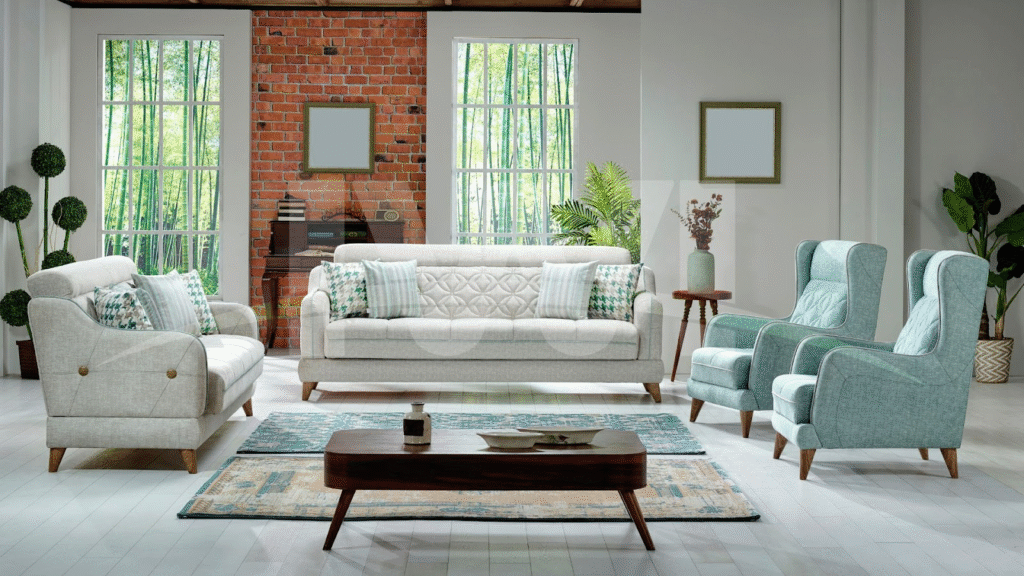
1. Props for Sofas and Armchairs
Sofas and armchairs are designed for comfort, so the props should reflect coziness and relaxation. Soft throw blankets, stylish cushions, a coffee mug on a nearby table, and a book placed casually on the seat create a welcoming scene. Adding a floor lamp or an indoor plant beside the sofa enhances the depth and brings a natural element to the composition. For a more inviting setup, consider draping a textured blanket over the armrest or slightly folding a newspaper on the seat. This makes the scene look effortless yet thoughtfully arranged.
2. Props for Dining Tables
Dining tables are best showcased when set with elegant dining accessories. Plates, cutlery, wine glasses, and a floral centerpiece can create an inviting dining atmosphere. If the table has a rustic design, wooden bowls and vintage-style table runners will complement its character. A bowl of fresh fruits or a carafe filled with water adds an organic touch that makes the image look more natural. To give the image a sense of activity, slightly misaligned the cutlery or have an open cookbook nearby, creating the impression of a lived-in space.
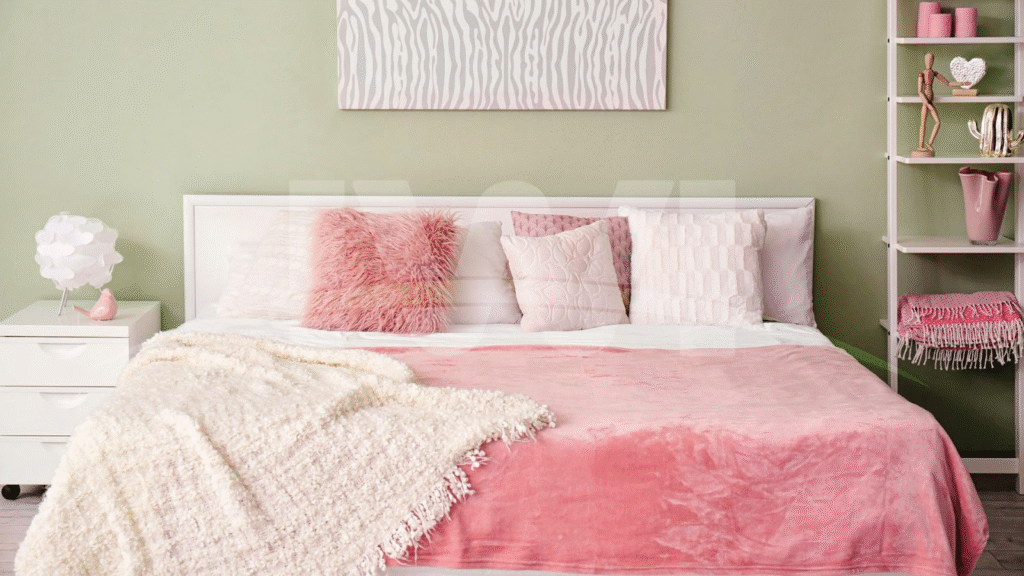
3. Props for Beds and Bedroom Furniture
For bedroom furniture, the props should emphasize relaxation and tranquility. A neatly arranged bed with soft linens, decorative pillows, and a bedside table with a stylish lamp can make the bedroom scene look elegant and inviting. A stack of books, scented candles, or a small tray with a cup of tea adds a personal touch to the setting. A slightly rumpled duvet or an open book on the bed suggests comfort and ease, making the space look more authentic. If showcasing a dresser, adding a small mirror, perfume bottles, or a jewelry dish enhances the composition without overpowering the furniture piece.
4. Props for Coffee Tables
Coffee tables often serve as decorative focal points in living rooms. To enhance their appeal, use photography furniture props for adults such as stylish books, scented candles, ceramic vases, or a tray with a cup of coffee. The arrangement should look effortless but intentional, creating a cozy and aesthetically pleasing vibe. A casually draped magazine or a set of coasters can add a touch of authenticity, giving the space a welcoming and lived-in appearance.
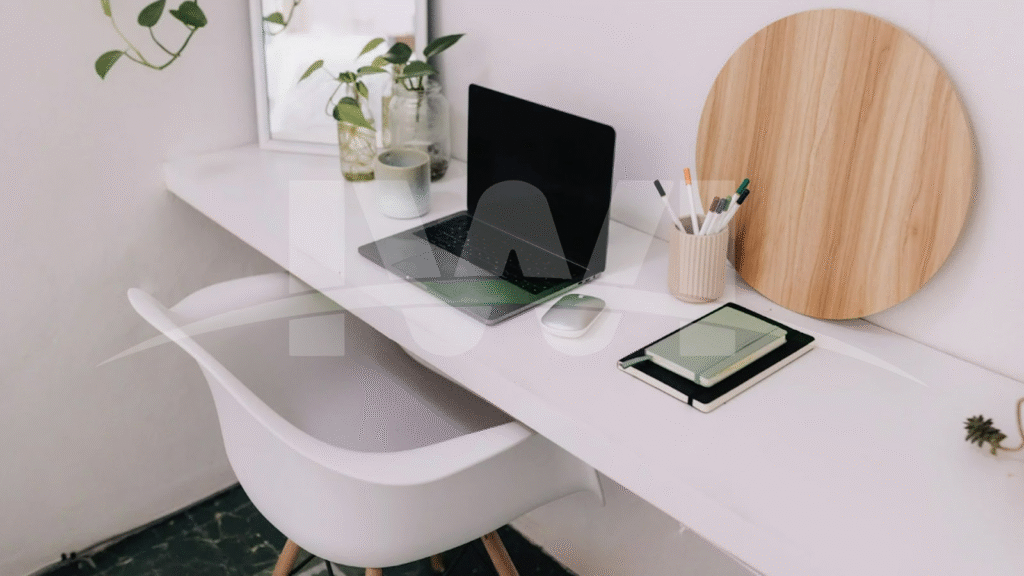
5. Props for Office Desks and Workspaces
Office furniture photography requires props that reflect professionalism and functionality. A laptop, notebooks, pens, and an elegant chair can make the workspace look practical and stylish. Indoor plants, framed artwork, and a desk lamp contribute to a well-balanced composition. Using props that create a productive atmosphere can appeal to potential buyers looking for a home office setup. A coffee cup, a pair of reading glasses, or a partially opened planner can add an element of realism, making the workspace appear in use and approachable.
6. Props for Outdoor Furniture
Outdoor furniture photography requires props that emphasize comfort and leisure. Adding cushions, lanterns, potted plants, or a small outdoor rug makes the space look inviting. If the setting is a patio or garden, a pitcher of lemonade, a magazine, or a cozy blanket draped over a chair can add warmth and charm to the scene. For a more dynamic look, introduce elements like a partially eaten snack on a table or a sun hat resting on a lounge chair to create a sense of life and usability.
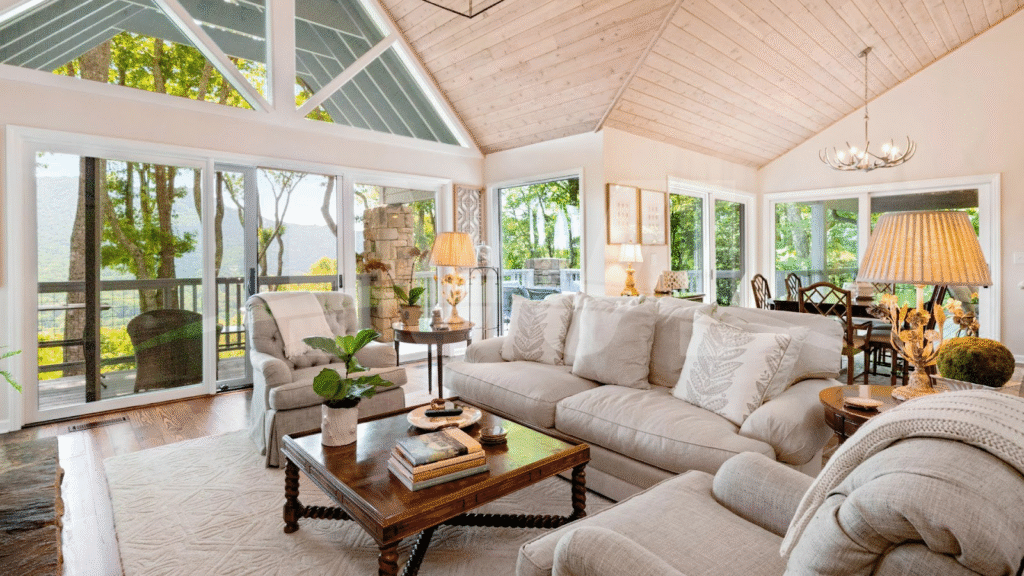
Essential Tips for Using Props in Furniture Photography
While props can enhance your furniture photography, using them correctly is crucial to avoid clutter or distractions. Here are some expert tips to ensure your photography furniture props for adults improve your shots without overwhelming the furniture piece:
Keep It Balanced: Props should enhance the furniture, not overshadow it. Avoid using too many items that take attention away from the main subject.
Maintain a Color Theme: Choosing props that complement the furniture’s color and style ensures a cohesive and visually appealing composition.
Use Natural Light: Good lighting highlights the textures and details of both the furniture and the props. Natural light is ideal, but if shooting indoors, use soft studio lights for the best effect.
Experiment with Angles: Try different perspectives to showcase the furniture and props effectively. A slight angle or an overhead shot can provide a fresh look at the scene.
Create a Story: The best furniture photography tells a story. Think about the mood and setting you want to convey and use props to enhance that vision.
Seasonal Ideas for Using Photography Furniture Props for Adults
Incorporating seasonal props into your furniture photography can help make your photos feel timely and fresh. If you’re shooting in the winter, consider props like warm blankets, candles, or even a hot beverage on a side table. For spring, fresh flowers, light fabrics, and airy decor can bring a lighthearted vibe to your shots. Seasonally relevant props can make your furniture look inviting and seasonal, drawing potential buyers’ attention.
Conclusion
Using photography furniture props for adults is an effective way to elevate furniture photography, making it more engaging, stylish, and relatable. The right props not only enhance the aesthetic appeal but also create a mood and story that attracts potential buyers or viewers. Whether you are capturing sofas, dining tables, office furniture, or outdoor setups, carefully selected props bring life and realism to your images. By following expert styling tips and maintaining a balanced composition, you can create stunning furniture photography that stands out in the market.
Frequently Asked Questions (FAQs)
What are the best props for furniture photography?
The best props include throw blankets, cushions, books, vases, tableware, indoor plants, and candles. These items add character and warmth to the furniture setting.
How many props should I use in furniture photography?
It depends on the furniture and the overall composition. A few well-placed props create a balanced scene, while too many can clutter the image.
Can I use digital props instead of real props?
Yes, digital props and editing tools can enhance furniture photography. However, using real props often creates a more authentic and natural look.
How do I choose props that match my furniture style?
Consider the furniture’s design and color scheme. Modern furniture pairs well with minimalistic props, while rustic furniture looks great with vintage decor elements.
What is the best lighting for furniture photography with props?
Natural light is ideal for a warm and authentic look. If shooting indoors, soft diffused studio lighting helps avoid harsh shadows and highlights textures effectively.
How do I make my furniture photography look professional?
Use high-quality props, maintain a clean and balanced composition, focus on lighting, and experiment with different angles to achieve professional-looking results.
Creative Home Staging Ideas with Stunning Pictures
When it comes to selling your home or simply refreshing your living space, home staging is one of the most effective ways to make your property shine. One of the best ways to find inspiration and visualize your ideas is through home staging ideas pictures. These stunning images offer a visual representation of what can be done to elevate a room, and they can help you decide what style works best for you. Whether you’re looking to stage your home for sale or just want to give your living areas a fresh new look, home staging ideas pictures can help guide you through the process.
In this article, we’ll dive deep into various creative home staging ideas with stunning pictures that will make your home feel inviting and visually appealing. We’ll also answer some of the most frequently asked questions to provide a complete guide for staging your home.
Why Home Staging Ideas Pictures Are So Important
Home staging is all about showcasing your home’s best features and making it more appealing to potential buyers. But how do you know what will look good in your space? That’s where home staging ideas and pictures come into play. They offer you real-life examples and inspiration to help you visualize how a room will look with the right furniture, décor, and layout.
Home staging ideas are invaluable because they show you the possibilities. You may have an idea of what you want to achieve, but seeing how others have pulled off similar designs can spark new ideas and help you avoid common mistakes. By browsing through different styles and settings, you can find the perfect combination of elements that will bring out the best in your home.
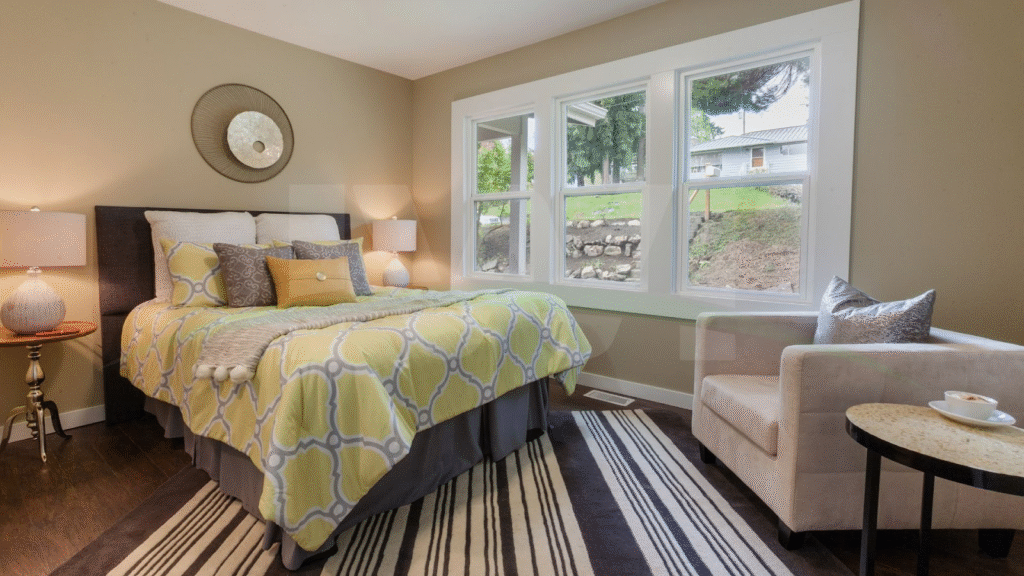
Living Room Staging: The Heart of Your Home
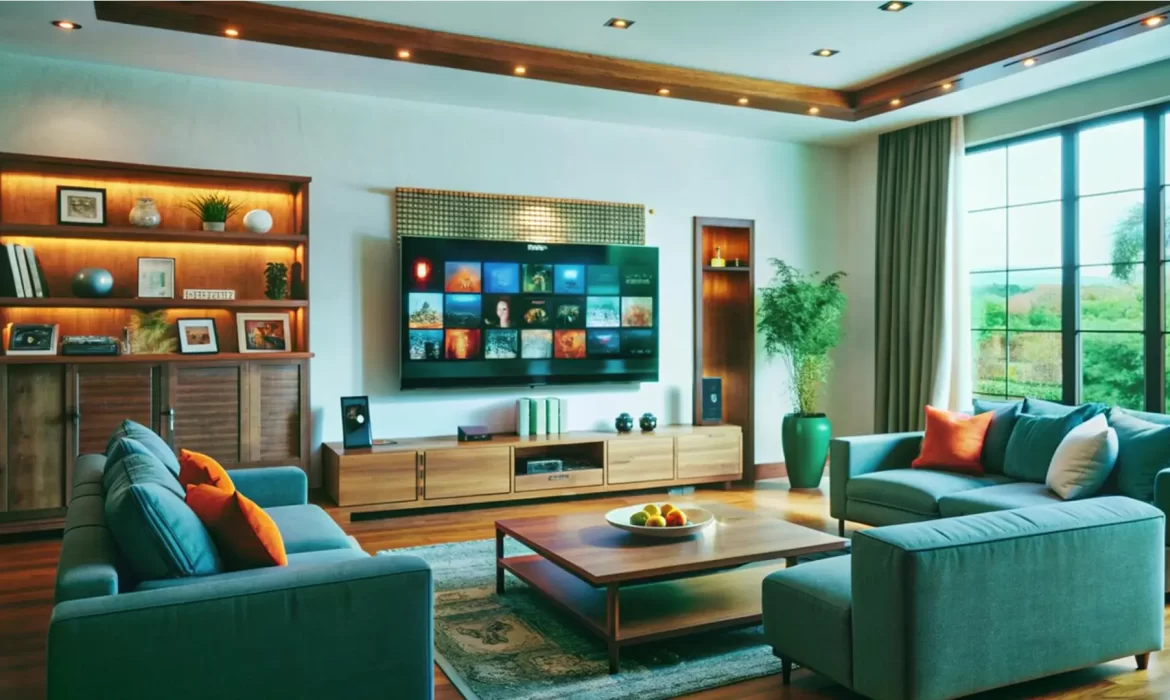
The living room is typically the first space buyers or guests see when they enter your home. Therefore, staging this room effectively is essential. Home staging ideas and pictures for living rooms can inspire you to make subtle changes that will have a major impact on the space.
Start by focusing on creating a welcoming and comfortable atmosphere. In the pictures, you’ll often see neutral-colored walls paired with pops of color through cushions, rugs, and art pieces. A well-arranged seating area can make the room feel cozy and spacious at the same time. Home staging ideas pictures often show how arranging furniture in a way that promotes conversation and flow can instantly make a room feel more inviting.
Consider adding some natural elements, such as plants or wooden furniture, to create warmth and texture. The right lighting is another key factor in staging a living room. Soft lighting can make the space feel more intimate, while brighter lighting highlights the room’s features and creates a vibrant atmosphere.
Bedroom Staging: Create a Tranquil Retreat
The bedroom is your personal sanctuary, and it should feel relaxing and tranquil. Home staging ideas pictures for bedrooms often emphasize simplicity and calmness. Neutral tones, such as whites, beiges, and light greys, are common in staging photos because they create a serene atmosphere. A few well-chosen decorative items, such as throw blankets, pillows, and a stylish lamp, can make a big difference.
In home staging ideas pictures, you’ll notice that keeping the furniture arrangement minimal and avoiding overcrowding is essential for achieving a peaceful and spacious look. A clean, decluttered space makes the room feel more open and inviting.
One creative touch that you might see in home staging ideas pictures is the use of mirrors. Mirrors can reflect light and create the illusion of a larger space, making them a great addition to smaller bedrooms. A statement headboard or unique lighting fixtures can also add a personal touch without overwhelming the room.
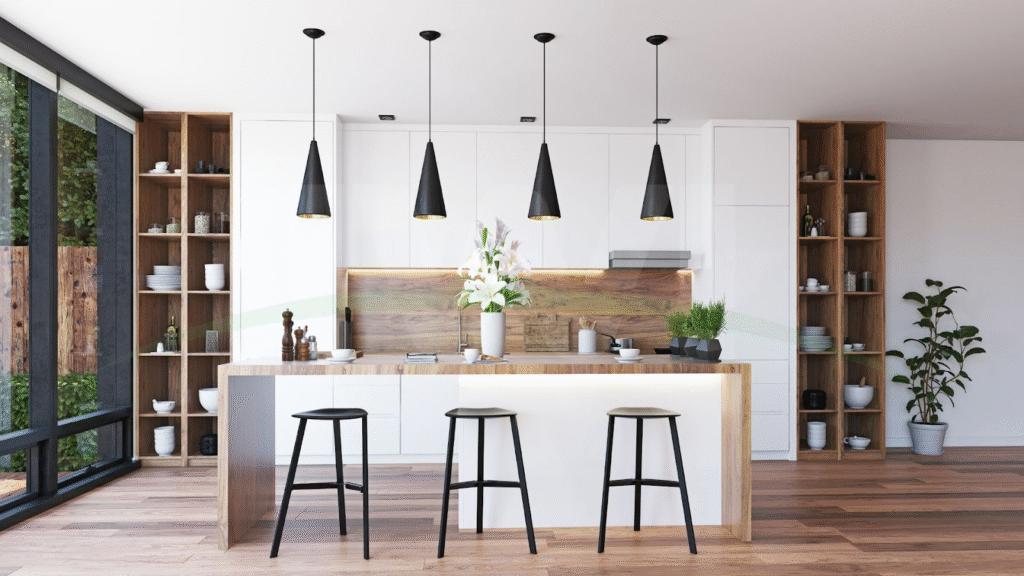
Kitchen Staging: The Heart of the Home
When it comes to kitchen staging, first impressions matter. Home staging ideas pictures for kitchens highlight the importance of cleanliness, organization, and functionality. Declutter countertops and create a streamlined look by storing away excess appliances and kitchenware. Staging pictures often feature simple accessories, such as fresh flowers or a bowl of fruit, to add life to the space without making it feel crowded.
Many home staging ideas for kitchens also focus on updating old fixtures. In some photos, you may notice new light fixtures or modern appliances that make the space feel more contemporary. A clean, updated kitchen can make a huge difference in how potential buyers perceive the home, and it’s one of the first rooms buyers will look at during an open house.
For smaller kitchens, home staging ideas pictures show how you can use lighter colors to make the space feel bigger. White cabinets, light countertops, and strategically placed mirrors can create the illusion of more space.
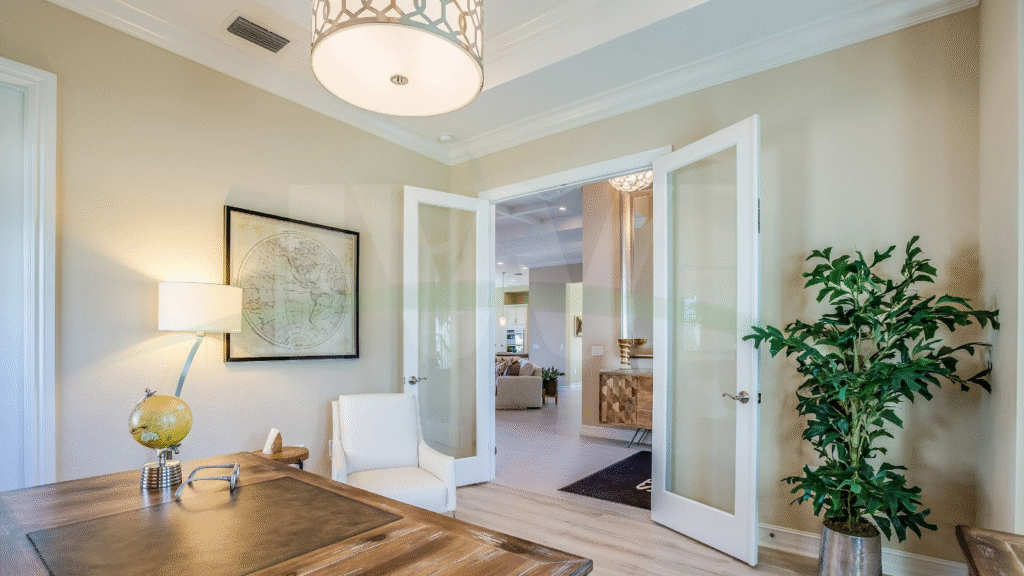
Dining Room Staging: Set the Scene for Gatherings
The dining room is where family and friends come together to share meals and create memories. Home staging ideas pictures for dining rooms emphasize the importance of setting the table beautifully and making sure the room has enough seating for guests.
In the pictures, you’ll see dining tables with tasteful centerpieces, such as fresh flowers or candles, that add a welcoming touch. The key is to make the space feel inviting and functional. The right furniture arrangement can make the room feel spacious and open, even in smaller dining areas.
Lighting is another critical element in dining room staging. Home staging ideas pictures often showcase how pendant lights or chandeliers can add sophistication and focus attention on the dining area. You can also experiment with different textures for tablecloths, placemats, and napkins to add variety and visual interest to the room.
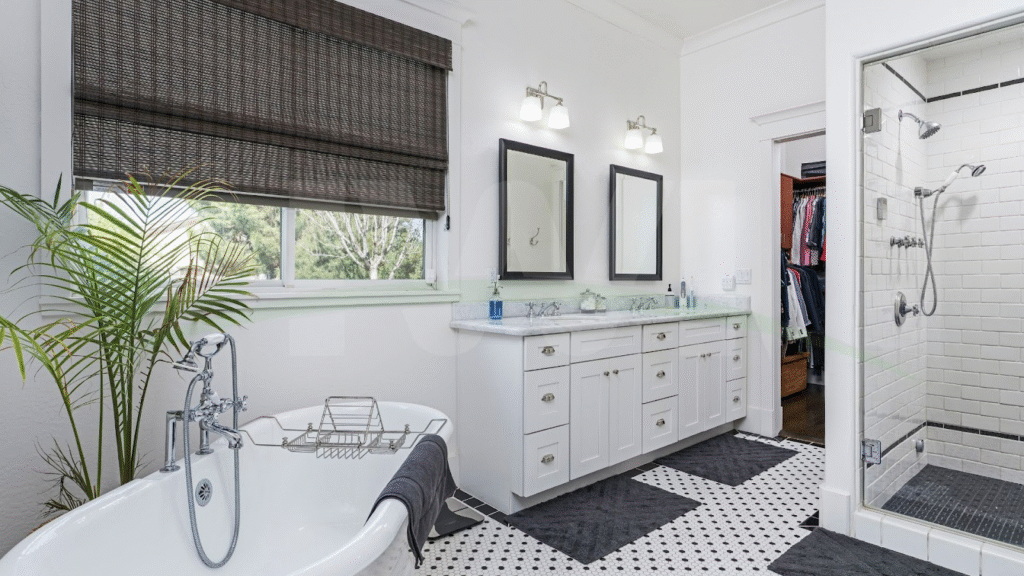
Bathroom Staging: A Fresh and Clean Space
Bathrooms are another area where staging can have a major impact. Home staging ideas for bathrooms often feature sparkling clean surfaces, soft towels, and small decorative items like candles or plants. The goal is to create a fresh and spa-like environment that feels both functional and relaxing.
In many home staging ideas pictures, you’ll see how important it is to update old fixtures and ensure that the space feels modern and polished. This could mean replacing outdated faucets, mirrors, or shower curtains with sleek, modern options. Even small changes can make a big difference in how a bathroom feels.
For smaller bathrooms, home staging ideas pictures show how you can use mirrors to create the illusion of space and add light-colored accents to brighten up the room.
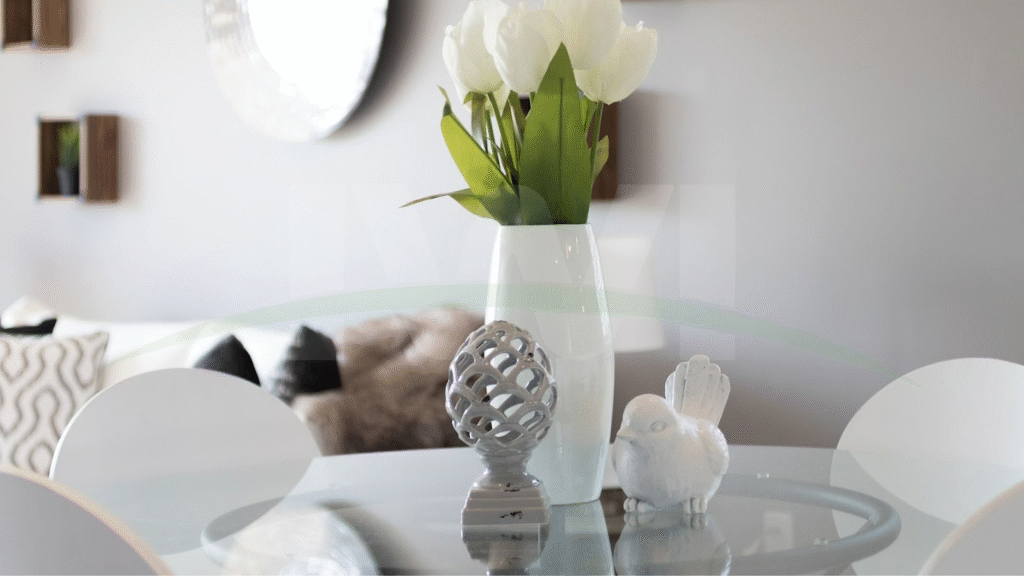
Exterior Staging: First Impressions Matter
When staging a home for sale, the exterior is just as important as the interior. Home staging ideas pictures often feature beautifully landscaped gardens, fresh coats of paint, and inviting outdoor spaces. The exterior of your home is the first thing potential buyers see, and you want it to make a positive impression.
Home staging ideas pictures for exteriors show how a clean, well-maintained front porch can make your home look inviting and cared for. Simple touches like potted plants, a new doormat, or freshly painted shutters can add charm and warmth to your home’s exterior.
If you have a backyard, staging it with outdoor furniture, string lights, or a fire pit can help potential buyers visualize how they might enjoy the space for gatherings or relaxation.
Creative Home Staging Ideas Pictures for a Modern Touch
If you’re looking to add a contemporary flair to your home, there are plenty of home staging ideas and pictures that can inspire you to embrace a modern style. Clean lines, bold colors, and minimalist décor are all features of modern home staging that can make your space feel fresh and stylish.
In many home staging ideas pictures, you’ll see how modern furniture can be paired with unique décor to create a visually striking space. A statement piece, such as an art piece or designer chair, can serve as the focal point of a room while maintaining a sleek and uncluttered look.
Incorporating Personal Touches Without Overwhelming Buyers
While staging is about depersonalizing the space, a few subtle personal touches can make it feel homey. A strategically placed family photo, a cozy reading nook, or a small gallery wall can add character without making it feel cluttered.
These personal elements, when photographed well, create a sense of warmth and allow buyers to connect emotionally with the space. The key is balance—keep it simple and universal.
Conclusion
Home staging is an art, and home staging ideas pictures offer a window into the creative possibilities that exist within every room. Whether you’re staging for a sale or just to refresh your living space, these pictures provide invaluable insight into how you can transform your home into a showstopper. From the living room to the backyard, the right staging techniques can make a world of difference in how your space feels and how others perceive it. So, start browsing those home staging ideas pictures today and bring your vision to life!
Frequently Asked Questions (FAQs)
How do I use home staging ideas and pictures for inspiration?
Home staging ideas and pictures are a great way to explore different styles and layouts. You can browse through various images to see what works for your space and adapt the ideas to your own home. Pay attention to elements like color schemes, furniture arrangement, and décor choices.
Can I use home staging ideas pictures even if I’m not selling my home?
Absolutely! Home staging ideas pictures can be used for any kind of home refresh, whether you’re preparing to sell or just want to make your space more inviting. These images can give you the creativity and confidence to transform your living areas.
What is the most important thing to consider when staging my home?
The most important thing to focus on is creating a space that feels welcoming and functional. Ensure that each room is decluttered and well-organized, and make sure to showcase your home’s best features.
Should I hire a professional stager or do it myself?
Hiring a professional stager can be helpful if you’re unsure about how to stage your home. However, many people successfully stage their homes themselves using home staging ideas and pictures for guidance. It all depends on your budget and the level of expertise you feel comfortable with.
How can I make my home feel larger through staging?
To make your home feel larger, focus on decluttering, using lighter colors, and arranging furniture in ways that create more open space. Home staging ideas pictures often highlight how using mirrors, open shelving, and minimalist décor can make a room feel more spacious.
Can home staging ideas help me stage my outdoor spaces?
Yes! Many home staging ideas showcase how to stage outdoor spaces, such as patios, gardens, and front porches. Use these ideas to enhance your outdoor areas and make them more inviting to potential buyers or guests.
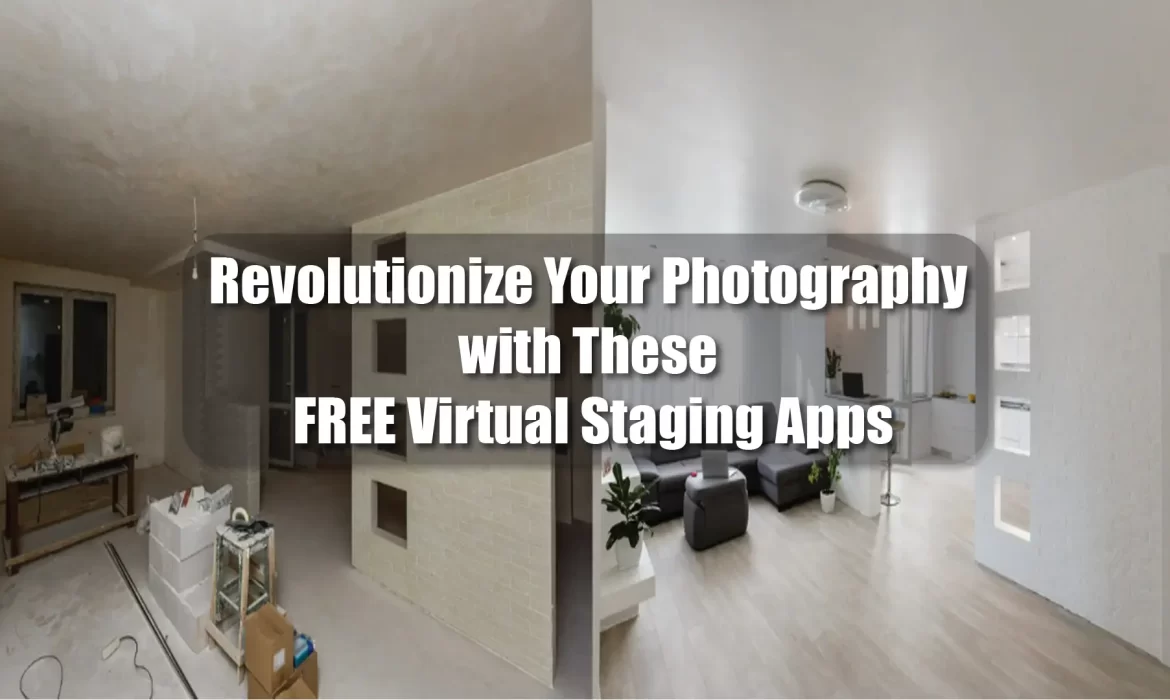
Top Free Virtual Staging Apps for Designers and Photographers
In the world of real estate and interior design, virtual staging has revolutionized how properties are presented to potential buyers. Thanks to the rise of digital technology, designers and photographers can now use innovative tools to stage a home or space without the need for physical furniture or decor. This has made the process more affordable and efficient, allowing for more creativity and flexibility. If you’re a designer or photographer looking to elevate your virtual staging game, it’s important to know about the Best Free Virtual Staging App options available to you.
In this article, we will explore some of the top free virtual staging apps that can help you transform your photography or design projects, whether you’re working on a real estate listing, interior design, or even an architectural portfolio. With these apps, you can make any space look polished and professional, all while sticking to a budget. Let’s dive in!
What Is Virtual Staging?
Before we delve into the Best Free Virtual Staging App options, it’s essential to understand what virtual staging is. Virtual staging is the process of adding digital furniture and decor to photographs of empty rooms or properties to create a fully furnished look. It’s a cost-effective alternative to traditional home staging, where real furniture is brought in to decorate a property for sale or rent. Virtual staging saves time and money while allowing designers and photographers to produce high-quality images that can help attract buyers or clients.
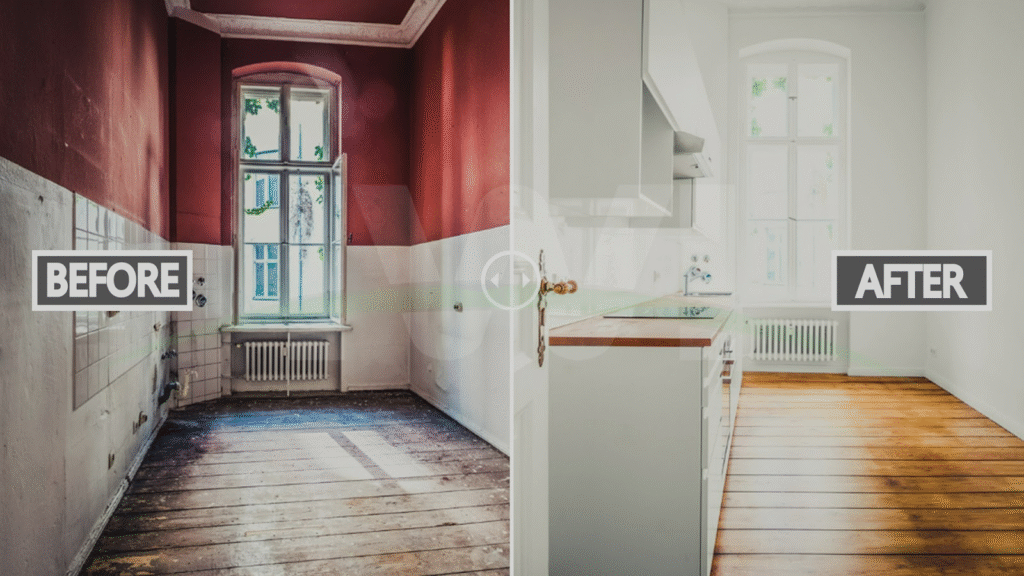
Why Use the Best Free Virtual Staging App?
For designers and photographers, using the Best Free Virtual Staging App offers several advantages. First, it saves both time and money. Staging a home with real furniture can be expensive and time-consuming, especially for large properties. Digital staging allows you to make significant changes to a space without the hassle of moving furniture or setting up physical props. Second, virtual staging offers more flexibility and creativity. You can try out different styles, colors, and layouts quickly to see what works best for the space. Lastly, virtual staging apps are user-friendly, even for beginners, so you don’t need to be a tech expert to create impressive results.
Key Features to Look for in the Best Free Virtual Staging App
When choosing the Best Free Virtual Staging App, there are several important features to keep in mind. The app should have an intuitive interface that is easy to navigate, even if you’re not familiar with design software. Look for apps that offer a large selection of furniture and decor options to choose from, so you can customize the space according to your vision. Additionally, the app should allow for high-quality image rendering to ensure that the staged photographs look professional and realistic. Lastly, it’s helpful if the app has tutorials or customer support to assist you if you encounter any issues during the staging process.
Top Free Virtual Staging Apps for Designers and Photographers
Now that we understand the basics of virtual staging, let’s take a closer look at some of the Best Free Virtual Staging Apps available for designers and photographers. Each of these apps offers a unique set of features and benefits, so you can find one that best suits your needs.
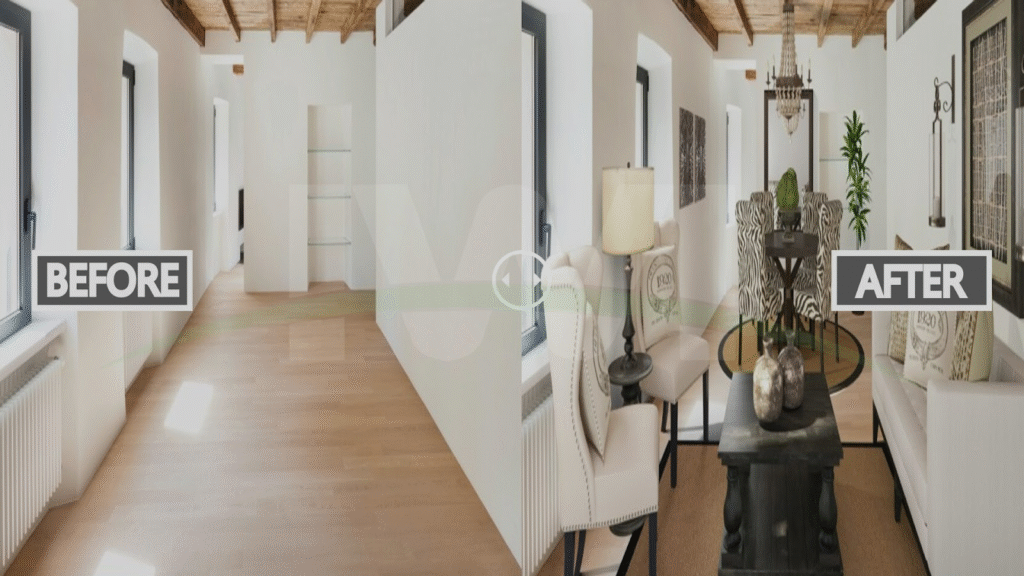
1. RoOomy
RoOomy is widely considered one of the Best Free Virtual Staging Apps on the market today. It allows users to upload images of rooms and then add 3D furniture and decor from an extensive catalog. With RoOomy, you can experiment with various interior design styles, from contemporary to traditional, and visualize how different elements fit within the space. RoOmy’s virtual staging capabilities are high-quality, and it also provides augmented reality (AR) features, making it an excellent tool for real estate agents, designers, and photographers alike.
The app has a straightforward user interface, so even beginners can quickly get the hang of it. However, for more advanced users, it also offers professional-grade tools that allow for fine-tuning of every detail. The free version of RoOomy offers a limited number of features, but it’s still an excellent starting point for anyone looking to get into virtual staging.
2. BoxBrownie
BoxBrownie is a popular name when it comes to virtual staging, and it’s another excellent choice for those searching for the Best Free Virtual Staging App. BoxBrownie specializes in creating high-quality virtual staging images that can enhance the appeal of any property. The app is particularly popular in the real estate industry, as it offers fast and affordable virtual staging services.
Box Brownie’s free version allows you to upload images and add basic virtual furniture and decor elements. While it may not offer the same level of customization as some other apps, its user-friendly interface and quick results make it a go-to option for designers and photographers working with tight deadlines. If you’re looking for high-quality results without the steep learning curve, BoxBrownie is an excellent option.
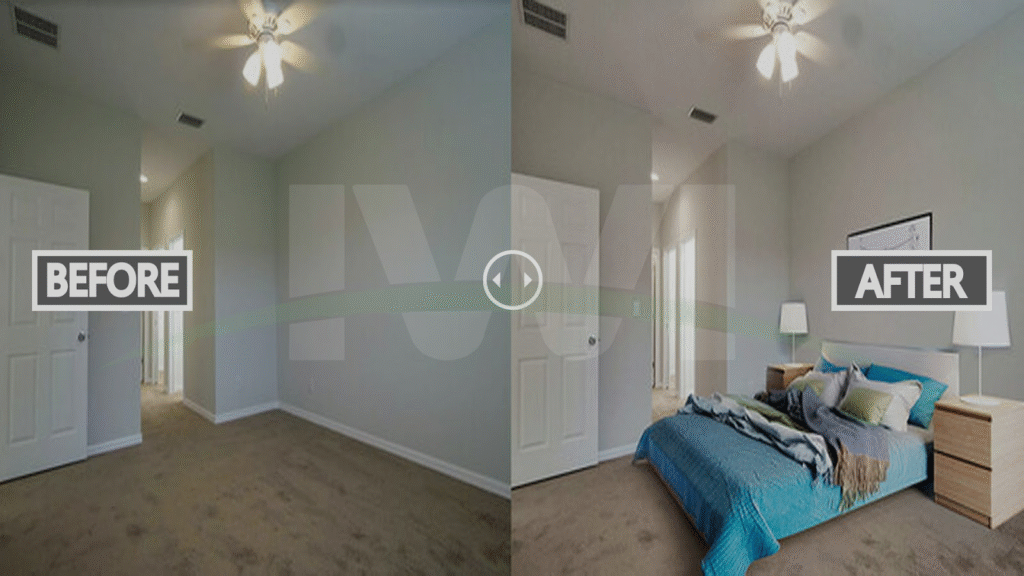
3. Virtual Staging Solutions
Another top contender for the Best Free Virtual Staging App is Virtual Staging Solutions. This app is known for its ease of use and ability to produce highly realistic virtual staging images. It allows you to upload photos of empty rooms, then drag and drop digital furniture pieces and accessories to create a realistic, furnished space. Virtual Staging Solutions has a large catalog of furniture options, making it easy to find the perfect pieces to suit any space or style.
What makes Virtual Staging Solutions stand out is its high-quality image rendering, which ensures that your staged photos will look professional and polished. While the free version has limitations, it still offers enough tools to produce excellent results. For those who want to take their virtual staging to the next level, there are paid options available that unlock even more features and furniture options.
4. Homestyler
Homestyler is another Best Free Virtual Staging App that’s widely popular among interior designers, real estate agents, and photographers. This app allows users to create detailed 3D models of rooms and stage them with a wide variety of furniture and decor. The app is known for its simplicity and ease of use, making it ideal for beginners, but it also offers enough functionality for experienced designers to create high-quality, professional-grade virtual staging.
With Homestyler, you can experiment with different layouts, wall colors, and furniture options to see how they impact the overall design of the space. The app also allows you to visualize the space in 3D, which can be incredibly helpful for ensuring the layout feels balanced and cohesive. Homestyler’s free version provides access to all of the essential features you need for virtual staging, with the option to unlock additional content with a paid plan.
5. IKEA Place
IKEA’s free staging app, IKEA Place, is an innovative tool that allows users to visualize how IKEA furniture will look in their homes using augmented reality (AR). The app offers a realistic, interactive experience, enabling users to virtually place true-to-scale IKEA products in their rooms to see how they fit and look before making a purchase. Whether you’re redesigning a space or staging a property, IKEA Place makes it easy to experiment with different furniture arrangements and styles. With a wide selection of IKEA’s product catalog available, users can try out a variety of furniture, from sofas to tables, and get a clear idea of how each item will look in their home. The app is user-friendly and perfect for anyone looking to make smart design decisions without the hassle of physically moving furniture around. IKEA Place is available for free on both iOS and Android devices.
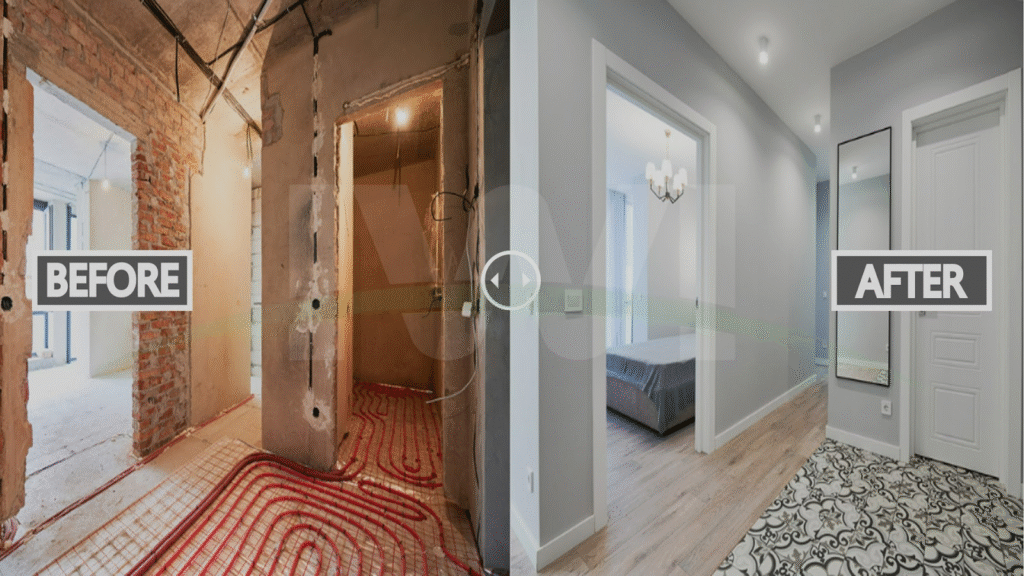
Benefits of Using the Best Free Virtual Staging App
Using the Best Free Virtual Staging App offers a number of key benefits. As a designer or photographer, one of the most significant advantages is the ability to stage multiple spaces quickly and easily without incurring the costs of hiring a professional stager or purchasing real furniture. Virtual staging also gives you full control over the design process, allowing you to try out different styles, layouts, and color schemes to see what works best.
In addition, virtual staging can help you attract more clients and buyers. Staged homes or properties often sell faster and for higher prices compared to empty ones, making virtual staging a powerful marketing tool. By utilizing a Best Free Virtual Staging App, you can ensure that your photos stand out from the competition and appeal to a wider audience.
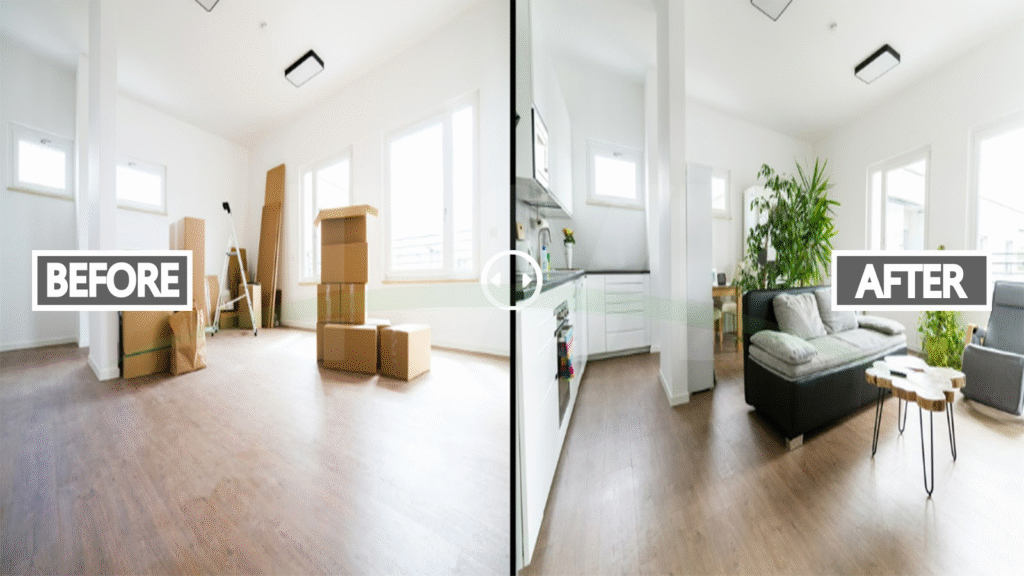
Conclusion
Virtual staging is an essential tool for designers and photographers aiming to showcase spaces in the most attractive way possible. With the right best free virtual staging app, you can transform empty rooms into beautifully furnished spaces that captivate potential buyers or clients. While free apps may have some limitations, they offer incredible value for anyone looking to elevate their projects without spending a fortune. Start exploring these top free virtual staging apps today and see how they can revolutionize your work!
Frequently Asked Questions (FAQs)
What is virtual staging?
Virtual staging involves digitally adding furniture, decor, and accessories to photos of empty rooms to make them appear fully furnished. It’s an alternative to traditional staging and is often used in real estate and interior design.
What is the best free virtual staging app?
Some of the Best Free Virtual Staging Apps include RoOomy, Virtual Staging Solutions, BoxBrownie, Roomstyler 3D Home Planner, and Homestyler. Each of these apps offers unique features to help designers and photographers stage spaces effectively.
Can I use virtual staging for real estate photos?
Yes! Virtual staging is widely used in the real estate industry to make photos of vacant properties more appealing to potential buyers. It helps buyers visualize the potential of a home and can lead to faster sales.
Are there any costs associated with using free virtual staging apps?
Most free virtual staging apps have a basic version that is entirely free, but some may offer premium features or additional furniture options for a fee.
How do I know if a virtual staging app is right for me?
The best way to choose a virtual staging app is to try several options and see which one offers the features and user interface that best suit your needs. Look for apps that provide a large selection of furniture, ease of use, and high-quality results.
Can virtual staging really make a difference in selling a property?
Absolutely! Studies have shown that staged homes, whether physically or virtually staged, tend to sell faster and for higher prices than unstaged homes. Virtual staging can make a significant impact on the appeal of a property.
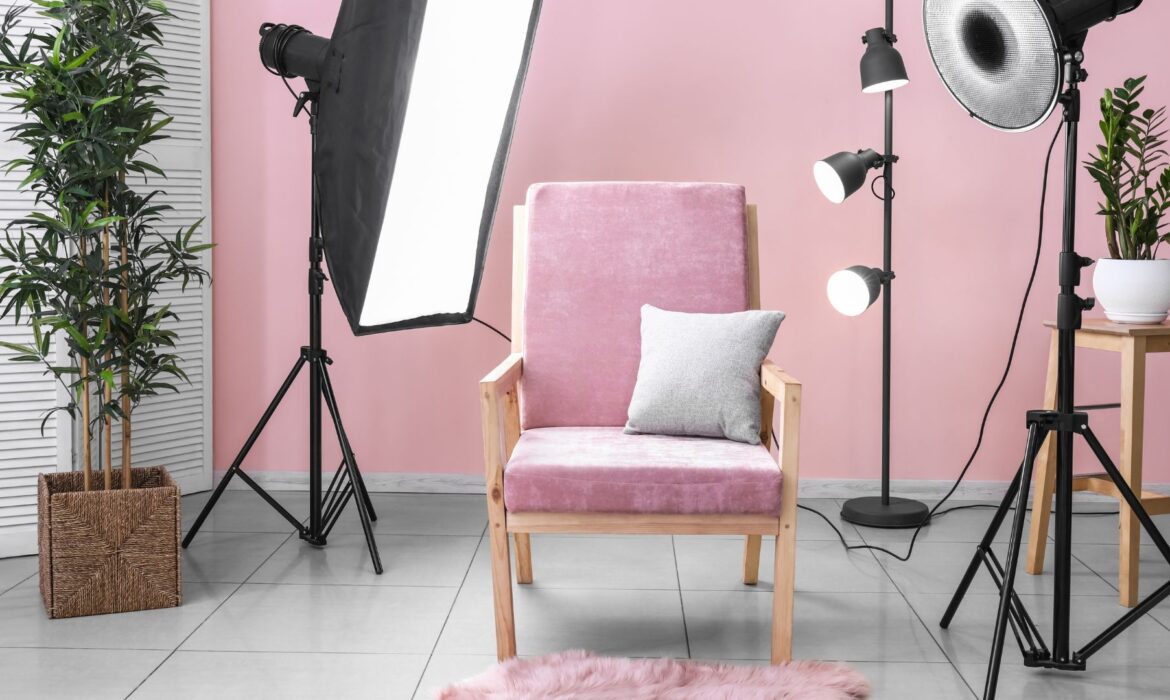
Expert Tips for Stunning Furniture Photography
Furniture photography is an essential skill for anyone in the interior design or furniture industry. Whether you’re a professional photographer, a business owner selling furniture online, or simply someone looking to capture your personal collection of home décor, knowing the right techniques can make all the difference. In this article, we’ll explore expert furniture photography tips to help you create stunning images that highlight the beauty and craftsmanship of furniture pieces.
Understanding the Importance of Furniture Photography
When it comes to selling furniture online, one of the most important aspects of your marketing strategy is high-quality photography. Furniture photography is not just about capturing the general shape of a chair, table, or sofa; it’s about showcasing the design, materials, textures, and overall appeal of the piece. With great furniture photography, potential buyers can imagine how a piece would fit into their own space. Whether you’re posting pictures for an online store, social media, or a product catalog, good furniture photography can elevate the way people perceive your furniture and help drive sales.
Lighting Is Key: How to Master It
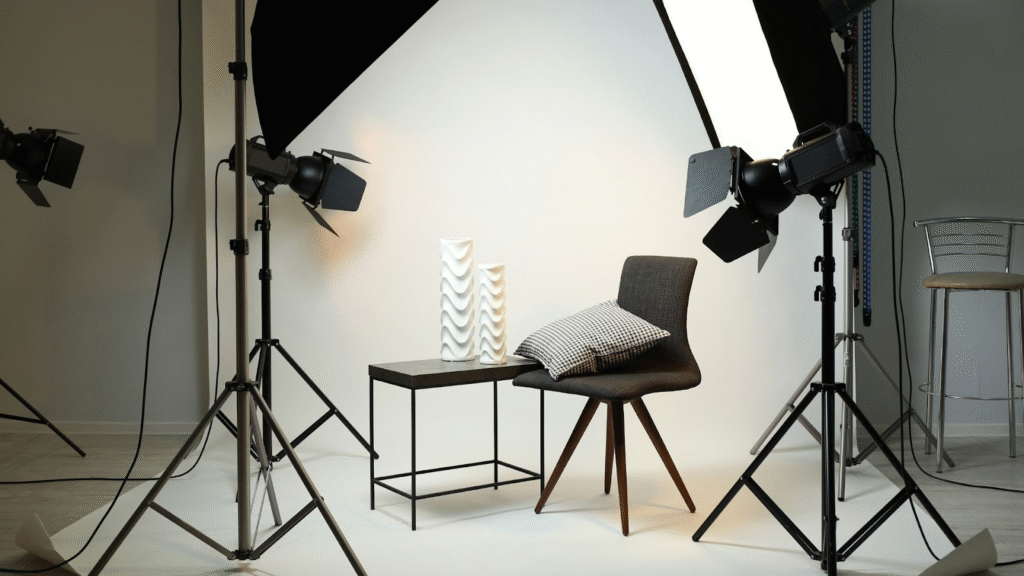
When it comes to furniture photography tips, one of the most important aspects to consider is lighting. The right lighting can transform your furniture images from dull to dynamic, making your pieces stand out. Natural light is often the best option for furniture photography, as it gives a soft, balanced look to your photos. If you’re shooting indoors, try to position your furniture near a large window to take advantage of natural daylight.
However, natural light isn’t always available, especially when you’re shooting indoors on overcast days or at night. In such cases, artificial lighting can help. Consider investing in softboxes or studio lights, which help diffuse light evenly and reduce harsh shadows. Furniture photography tips also suggest using multiple light sources to create a balanced exposure and avoid any unwanted dark spots or reflections that could obscure details of your furniture.
If you’re using artificial lights, it’s essential to adjust the color temperature to ensure your images don’t come out with an unnatural orange or blue tint. Try using white balance settings on your camera to achieve accurate colors. Be sure to experiment with different lighting angles and intensities to see how they affect the textures and finishes of your furniture.
Background and Setting Make a Difference
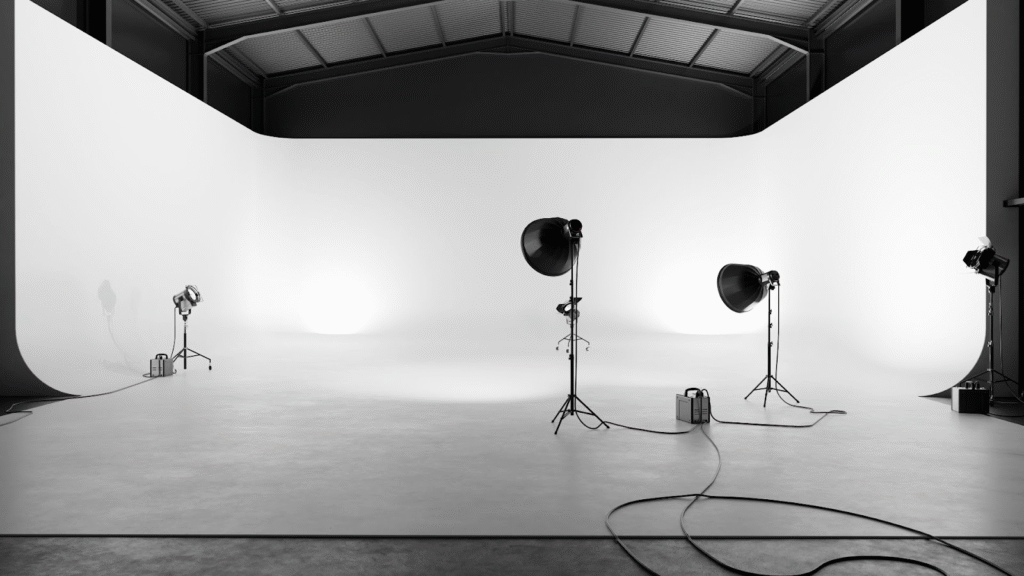
The background you choose for your furniture photography is just as important as the furniture itself. A cluttered or distracting background can take attention away from your featured piece. One of the best furniture photography tips is to use neutral backgrounds that complement the furniture. White, beige, or gray backdrops are excellent choices, as they allow the furniture to take center stage without overwhelming the viewer.
If you’re shooting furniture in a real room setting, make sure that the room is clean and styled appropriately to highlight the piece you’re photographing. You don’t want the surroundings to clash with the furniture. For example, a modern sofa might look out of place in a room filled with traditional décor. On the other hand, an eclectic collection of furniture could work well in a more relaxed, bohemian space.
For certain types of furniture, such as bedroom sets or dining tables, consider staging the shot to make the piece look inviting. Set the table with decorative plates or add a few throw pillows on the sofa to give potential buyers an idea of how they might use the furniture in their own homes.
The Right Angles Can Showcase Your Furniture
Another key tip for furniture photography is to capture your piece from the right angles. The goal is to showcase the furniture’s best features. Taking photos from multiple perspectives allows potential buyers to see the piece from different viewpoints and gain a better understanding of its design and size.
For chairs, for example, you might want to capture a straight-on shot to show the overall form of the piece, along with an angle from the side to reveal depth and structure. For larger items like sofas or tables, you can shoot from a variety of angles to show the front, back, and sides. It’s also important to include close-up shots that highlight intricate details, such as fabric texture, wood grain, or hardware finishes. These close-up shots can convey the quality and craftsmanship of your furniture.
While shooting from different angles, make sure the furniture is always well-lit. It’s also essential to keep the horizon line straight and avoid any distortion, especially when photographing rectangular or square items. Distorted images can make your furniture look unnatural, which may turn off potential buyers.
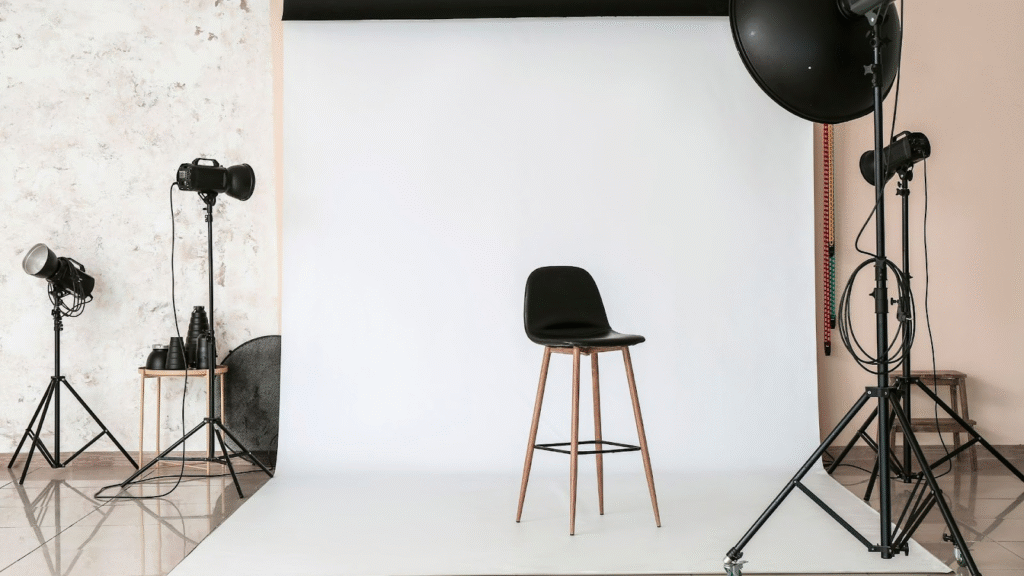
Use the Right Equipment for the Job
When it comes to furniture photography tips, having the right equipment can make a huge difference in the final result. While it’s possible to take great photos with a smartphone camera, investing in a DSLR or mirrorless camera will give you more control over the technical aspects of your shoot, such as focus, exposure, and aperture.
A good tripod is another must-have tool. A tripod will help stabilize your camera and ensure sharp, clear images. It’s especially helpful when you’re shooting in low-light conditions or using slow shutter speeds. By keeping your camera steady, you’ll eliminate any risk of blurry photos that can occur when you shoot handheld.
For lenses, a wide-angle lens is often the best choice for furniture photography, as it allows you to capture large pieces from a comfortable distance without distorting the shape. A 35mm or 50mm lens can also be great for capturing more detailed shots without making the furniture appear overly exaggerated.
Additionally, consider using a remote shutter release or the timer function on your camera to reduce camera shake when pressing the shutter button.
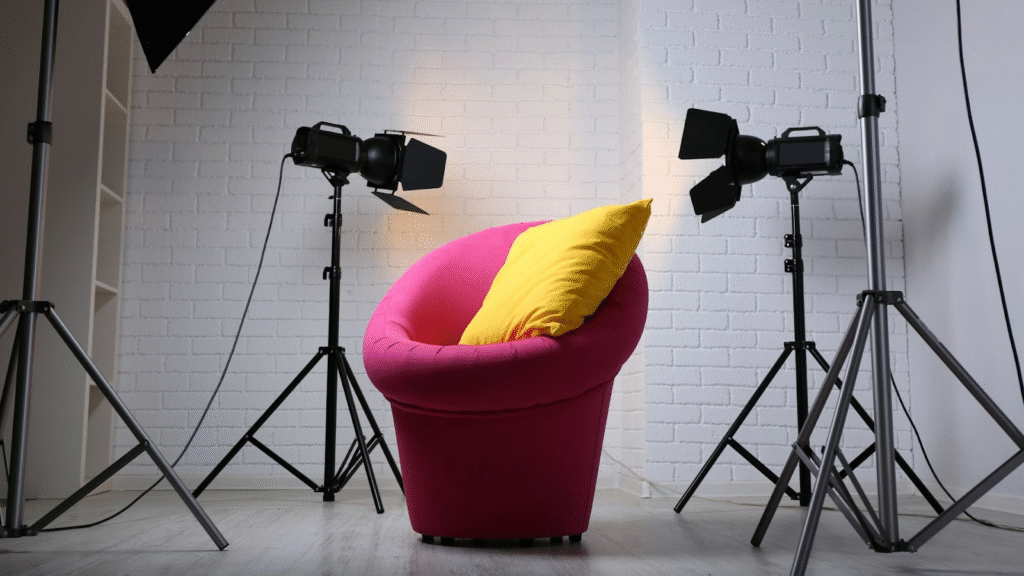
Focus on the Details
Furniture is made up of many details, and it’s important to highlight these in your photos. The texture of the fabric, the finish of the wood, or the stitching on a leather chair all play a significant role in showcasing the quality and design of the furniture.
A few expert furniture photography tips include taking close-up shots that focus on these details. For example, zooming in to show the grain of the wood, the pattern of the upholstery, or the seam on a cushion can help customers get a closer look at the quality of the materials used in the furniture.
Be sure to avoid overexposing or underexposing these close-up shots. You want the texture to be clear and well-defined without losing any of the fine details in bright highlights or dark shadows. You may need to use a smaller aperture (higher f-stop number) to achieve a deeper depth of field, ensuring that all elements in your close-up shot are in focus.
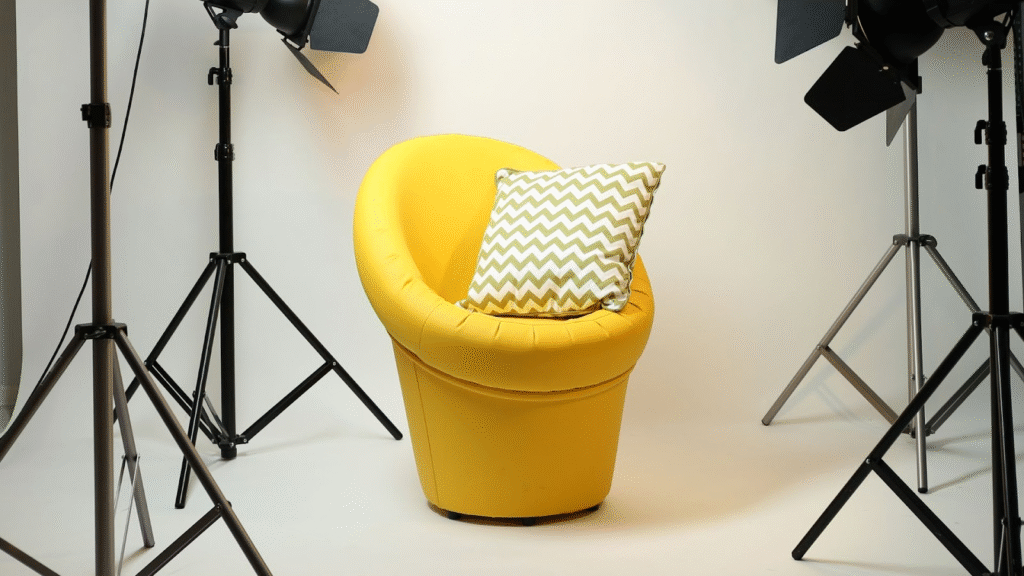
Staging Your Furniture
When it comes to creating compelling furniture photographs, how you stage the furniture is key. This is especially important if you’re photographing living room furniture, bedroom sets, or dining tables. A well-staged shot can help potential buyers envision the furniture in a real-life setting.
Start by choosing a clean, uncluttered space. You want the furniture to be the focal point, so keep the area around it tidy. Adding a few carefully chosen accessories, such as a plant, throw blanket, or lamp, can elevate the shot and give the viewer a sense of how the piece fits into an actual living space.
Furniture photography tips also include considering the scale and proportions of your furniture within the room. Make sure the size of the piece feels balanced within the space. For example, a large sectional sofa might look out of place in a tiny room, while a delicate armchair can appear lost in a spacious area. If you’re photographing multiple pieces together, pay attention to how they relate to one another in terms of size and scale.
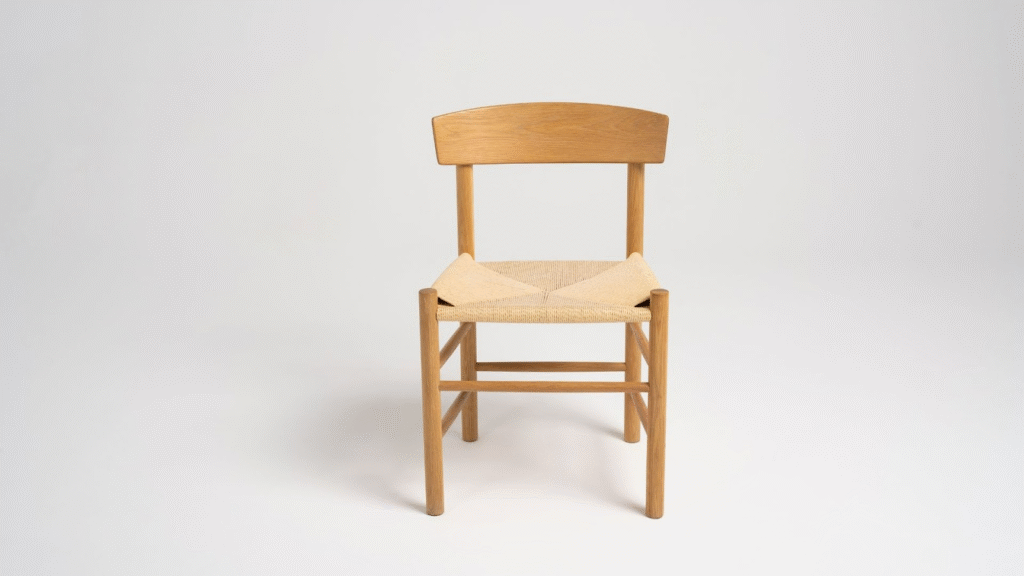
Post-Processing: Enhancing Your Photos
After you’ve captured your images, the next step is post-processing. Editing can enhance the overall quality of your photos by correcting exposure, adjusting colors, and eliminating any distractions or imperfections. Software like Adobe Lightroom and Photoshop offer powerful tools for editing your images.
In post-processing, focus on adjusting the brightness and contrast to make the furniture stand out. If the colors in your photos are too warm or too cool, use white balance adjustments to correct the tones and achieve a natural look. You can also sharpen the details of the furniture to bring out its textures and finishes.
Be careful not to over-edit your photos. The goal is to enhance the natural beauty of the furniture, not to create an unrealistic version of it. Over-saturation or excessive manipulation of the image can make the furniture look artificial, which can hurt your sales.
Consistency in Your Photography Style
Lastly, consistency is crucial when it comes to furniture photography. Whether you’re shooting for an online store, a catalog, or social media, maintaining a consistent style throughout your photos will help establish a professional and cohesive brand identity. Use the same lighting setup, background, and angle choices for each piece to create a uniform look.
Having a consistent photography style not only makes your products look polished but also helps your customers feel more comfortable browsing your collection. It signals to them that your brand is trustworthy and that they can expect the same high quality from each product you offer.
Conclusion: Putting It All Together
By following these expert furniture photography tips, you can create stunning, professional images that showcase your furniture in the best possible light. The right lighting, equipment, and techniques can help you highlight the details, textures, and quality of your furniture pieces, giving potential buyers a clear idea of what they can expect. Whether you’re photographing a single chair or an entire room full of furniture, paying attention to the small details can make a world of difference.
Good furniture photography is about more than just taking pretty pictures—it’s about creating a visual representation of your furniture that resonates with your target audience and makes them want to buy. Keep experimenting with different setups, angles, and lighting techniques to find the best approach for your pieces. When done right, furniture photography can be a powerful tool in your marketing strategy, helping you reach more customers and increase sales.

The Best Camera for Interior Photography in 2025
Interior photography has gained significant popularity over the years. Whether you’re a professional photographer, an interior designer, or simply someone who enjoys capturing beautiful indoor spaces, the right camera can make all the difference. In this article, we will explore the best cameras for interior photography in 2025, examining the features and qualities that make them ideal for capturing stunning interior shots.
When it comes to photographing indoor spaces, the camera you choose plays a crucial role in how well you can capture the details, textures, and ambiance of a room. The best camera for interior photography in 2025 should offer excellent low-light performance, high resolution, wide dynamic range, and ease of use. This guide will highlight the key factors you need to consider when selecting the best camera for interior photography and review some of the top cameras on the market.
Key Features to Look for in the Best Camera for Interior Photography
Before we dive into the specific camera recommendations, it’s essential to understand the key features that make a camera ideal for interior photography. Here are the primary factors you should look for when choosing the best camera for interior photography:
1. Sensor Size and Resolution
A large sensor and high resolution are essential for capturing the fine details of an interior space. A full-frame sensor is generally considered the best for interior photography because it allows for better low-light performance and a more natural depth of field. A high-resolution sensor also ensures that you can crop or enlarge your images without losing detail, which is particularly useful when photographing interiors.
2. Low-Light Performance
Interior photography often involves shooting in challenging lighting conditions, especially when there is limited natural light. The best camera for interior photography in 2025 should have excellent low-light capabilities, allowing you to capture clear, sharp images without excessive noise. Cameras with large sensors and advanced image processors tend to perform better in low-light conditions.
3. Wide Dynamic Range
When photographing interiors, especially those with a mix of light and shadow, a wide dynamic range is essential. This allows the camera to capture both bright highlights and dark shadows in a single shot without losing detail. Cameras with high dynamic range (HDR) capabilities are excellent choices for interior photography, as they can handle complex lighting situations with ease.
4. Lens Compatibility
The choice of lens is just as important as the camera body itself. For interior photography, wide-angle lenses are often necessary to capture the full scope of a room. The best camera for interior photography should be compatible with a variety of wide-angle lenses that provide sharpness and minimal distortion, allowing you to capture interiors from various perspectives.
5. Image Stabilization
While image stabilization isn’t always necessary for interior photography, it can be helpful when shooting handheld or in low-light conditions. Cameras with built-in image stabilization can reduce camera shake, ensuring your photos are crisp and clear, even in challenging environments.
Top Picks for the Best Camera for Interior Photography in 2025
Now that we’ve covered the essential features to look for, let’s explore some of the best cameras for interior photography in 2025. These cameras combine high-resolution sensors, excellent low-light performance, and impressive dynamic range, making them ideal for capturing the beauty of indoor spaces.
1. Canon EOS R5
The Canon EOS R5 is a powerful mirrorless camera that is often considered one of the best cameras for interior photography. With a full-frame 45-megapixel sensor, it delivers exceptional image quality with incredible detail, making it perfect for capturing the intricate textures and lighting of interior spaces. The camera’s advanced autofocus system ensures that even in complex lighting situations, your shots will be sharp and in focus.
One of the standout features of the EOS R5 is its exceptional low-light performance. The camera’s high ISO capabilities allow you to shoot in dimly lit rooms without introducing too much noise, which is crucial for interior photography. Additionally, its impressive dynamic range ensures that both highlights and shadows are captured with incredible detail, even in challenging lighting conditions.
The Canon EOS R5 also boasts fast and reliable autofocus, making it easier to focus on specific details in a room. It’s a versatile camera with great lens options, allowing you to choose wide-angle lenses for expansive shots or macro lenses for capturing intricate details.
2. Sony Alpha 7R IV
Sony’s Alpha series has long been known for its exceptional image quality, and the Alpha 7R IV is no exception. With a 61-megapixel full-frame sensor, this camera delivers stunning resolution and sharpness, making it one of the best cameras for interior photography. The high-resolution sensor allows you to capture every detail of a room, from the texture of the walls to the furnishings, without losing clarity.
One of the key advantages of the Sony Alpha 7R IV is its dynamic range. It excels in high-contrast situations, ensuring that you can capture both the brightest highlights and the deepest shadows in a single shot. The camera’s advanced autofocus system also makes it easy to focus on specific elements in a room, even in low-light conditions.
The camera’s in-body image stabilization system helps reduce camera shake, allowing you to shoot handheld with confidence. This is particularly useful in interior photography, where tripod use may not always be practical. Additionally, the Sony Alpha 7R IV has excellent low-light capabilities, allowing you to shoot indoors without compromising on image quality.
3. Nikon Z7 II
Nikon’s Z7 II is another excellent option for interior photography in 2025. This full-frame mirrorless camera features a 45.7-megapixel sensor that delivers exceptional image quality and high resolution. The Z7 II’s dynamic range is impressive, ensuring that you can capture both light and shadow with incredible detail, which is essential for interior photography.
The Nikon Z7 II performs well in low-light conditions, with improved noise reduction and enhanced image processing capabilities. The camera’s autofocus system is fast and accurate, making it easy to focus on specific details in a room, even when lighting conditions are less than ideal. The Z7 II also offers 5-axis in-body image stabilization, which helps reduce camera shake when shooting handheld.
Additionally, the Nikon Z7 II has a wide selection of lenses, including some great wide-angle options for capturing large interior spaces. With its combination of high resolution, excellent low-light performance, and outstanding dynamic range, the Z7 II is undoubtedly one of the best cameras for interior photography.
4. Fujifilm GFX 100S
If you’re looking for a medium-format camera for interior photography, the Fujifilm GFX 100S is one of the best options available. With its 102-megapixel medium-format sensor, this camera delivers unparalleled image quality and resolution. The larger sensor size allows for a more shallow depth of field, which can help create stunning bokeh effects while still maintaining sharpness in the key areas of the shot.
The GFX 100S also excels in low-light conditions, thanks to its larger sensor and advanced image processing capabilities. Its dynamic range is outstanding, allowing you to capture both the highlights and shadows of an interior scene without any loss of detail. The camera’s autofocus system is fast and reliable, ensuring that you can focus on the most important elements of a room.
While medium-format cameras like the GFX 100S are generally more expensive and bulkier than full-frame options, they provide exceptional image quality that is hard to match. For professional interior photographers who demand the highest level of detail, the Fujifilm GFX 100S is one of the best cameras for interior photography in 2025.
5. Panasonic Lumix S1R
The Panasonic Lumix S1R is a full-frame mirrorless camera that offers impressive resolution, dynamic range, and low-light performance. With a 47.3-megapixel sensor, the Lumix S1R is capable of capturing stunning detail and clarity, making it a fantastic choice for interior photography. The camera’s 5-axis in-body image stabilization helps ensure sharp images, even when shooting handheld in low-light conditions.
The Lumix S1R’s dynamic range is another standout feature, allowing it to handle challenging lighting situations with ease. Whether you’re shooting in a room with mixed lighting or capturing the subtle details of a space, the S1R produces images with excellent contrast and clarity. The camera’s autofocus system is fast and reliable, ensuring that you get sharp, focused images every time.
Panasonic has also developed a range of excellent lenses for the Lumix system, including wide-angle lenses that are perfect for interior photography. If you’re looking for a versatile and powerful camera that can deliver high-quality images, the Panasonic Lumix S1R is one of the best cameras for interior photography in 2025.
Conclusion
When it comes to capturing the beauty and intricacies of interior spaces, having the best camera for interior photography is essential. The cameras listed above all offer excellent resolution, dynamic range, low-light performance, and lens compatibility, making them some of the best options available for interior photography in 2025.
Whether you’re a professional photographer or an enthusiast looking to capture stunning interior shots, these cameras will help you achieve exceptional results. The right camera, paired with the right lens and proper techniques, will allow you to showcase the beauty of indoor spaces with stunning detail and clarity.
So, when choosing the best camera for interior photography, consider your needs, budget, and the specific features that are most important to you. With the right camera in hand, you’ll be able to capture interior spaces in all their glory, whether you’re photographing a cozy living room, an elegant dining area, or a modern office space.

Top Cameras for Furniture Photography: A Buyer’s Guide
When it comes to furniture photography, having the right camera can make a world of difference. Whether you’re a professional photographer or someone just getting started in capturing furniture for online stores or catalogues, selecting the best camera for furniture photography is essential. This guide will help you understand the important factors to consider and highlight the top cameras that can elevate your photography to new levels.
Why is Choosing the Best Camera for Furniture Photography Important?
Furniture photography has its own set of unique challenges. Unlike other photography genres, capturing furniture requires precise detail, accurate color reproduction, and the ability to highlight the texture and materials used in the piece. A high-quality camera can help you achieve all of these aspects effectively. The best camera for furniture photography will allow you to photograph with clarity, depth, and realism, ensuring that your photos do justice to the furniture’s craftsmanship.
When shopping for the best camera for furniture photography, you need to look for features such as high resolution, good color accuracy, and robust lens options. This will allow you to showcase every detail—from intricate wood grain patterns to the rich texture of upholstery. Additionally, a camera that performs well in various lighting conditions is vital for photographing furniture indoors or in low-light environments.

Key Features to Look for in the Best Camera for Furniture Photography
Before diving into specific camera models, it’s important to understand the key features that make a camera ideal for furniture photography. The following are the most critical aspects to consider:
1. Resolution and Image Quality: The higher the resolution, the more detailed your photos will be. Furniture photography often requires crisp and detailed images to show off the textures and materials of each piece. A camera with at least 20 megapixels is recommended for capturing high-quality images.
2. Color Accuracy: Furniture often comes in various finishes, fabrics, and textures. To capture these details accurately, a camera with good color accuracy is essential. Look for cameras with a wide color gamut and options for fine-tuning white balance to ensure the colors in your photos match the real-life items.
3. Lens Compatibility: A good lens is just as important as the camera body. The best camera for furniture photography should be compatible with lenses that offer a variety of focal lengths. For furniture photography, a lens with a wide angle (for full-room shots) or a macro lens (for detailed shots of textures) can be crucial.
4. Low Light Performance: Often, furniture photography is done indoors with controlled lighting. A camera with excellent low-light performance and high ISO capabilities will ensure you can shoot in various lighting situations without sacrificing image quality.
5. Ease of Use and Control: While the best camera for furniture photography should have advanced features, it should also be user-friendly. A camera with intuitive controls and a responsive touchscreen can make the photography process much easier and faster.
Top Cameras for Furniture Photography
Here are some of the best cameras for furniture photography that can help you achieve professional-quality results.
Canon EOS 5D Mark IV
The Canon EOS 5D Mark IV is widely regarded as one of the best cameras for furniture photography, thanks to its impressive image quality and versatility. With its full-frame 30.4-megapixel sensor, it can capture stunning, high-resolution images that bring out the finest details in furniture. The camera’s excellent dynamic range helps capture intricate textures and subtle color variations, which are essential for furniture photography.
Additionally, the Canon 5D Mark IV has a reliable autofocus system, ensuring sharp focus, even when photographing intricate details. The camera also offers superb low-light performance, with its high ISO capabilities delivering minimal noise in dimly lit environments. The ability to shoot in RAW format allows for greater flexibility when editing images, making it one of the best cameras for furniture photography.
Nikon Z7 II
Nikon’s Z7 II is another top contender when it comes to the best camera for furniture photography. This mirrorless camera features a 45.7-megapixel full-frame sensor, which delivers incredible detail and sharpness. The high resolution of the Z7 II is perfect for capturing the fine details and textures of furniture pieces, whether you’re photographing a sofa’s fabric or the wood grain of a dining table.
What sets the Nikon Z7 II apart is its advanced autofocus system and color accuracy. This camera provides excellent results in both natural and artificial lighting, ensuring that your photos reflect the true colors and textures of the furniture. The Z7 II also offers in-body image stabilization, which helps reduce camera shake and results in sharp images, even when shooting handheld.
Sony Alpha a7R IV
For those seeking the absolute best in resolution, the Sony Alpha a7R IV is an excellent choice. With a stunning 61-megapixel full-frame sensor, this camera offers unparalleled detail and clarity, making it one of the best cameras for furniture photography, especially when you need to zoom in on small details like stitching, wood grain, or intricate carvings.
The Sony a7R IV also boasts impressive autofocus and fast shooting speeds, ensuring that you can capture the best shot without delay. Its exceptional color accuracy and wide dynamic range ensure that the colors of your furniture are represented accurately, even in tricky lighting conditions. Additionally, its compact design makes it easy to handle, even when using larger lenses.
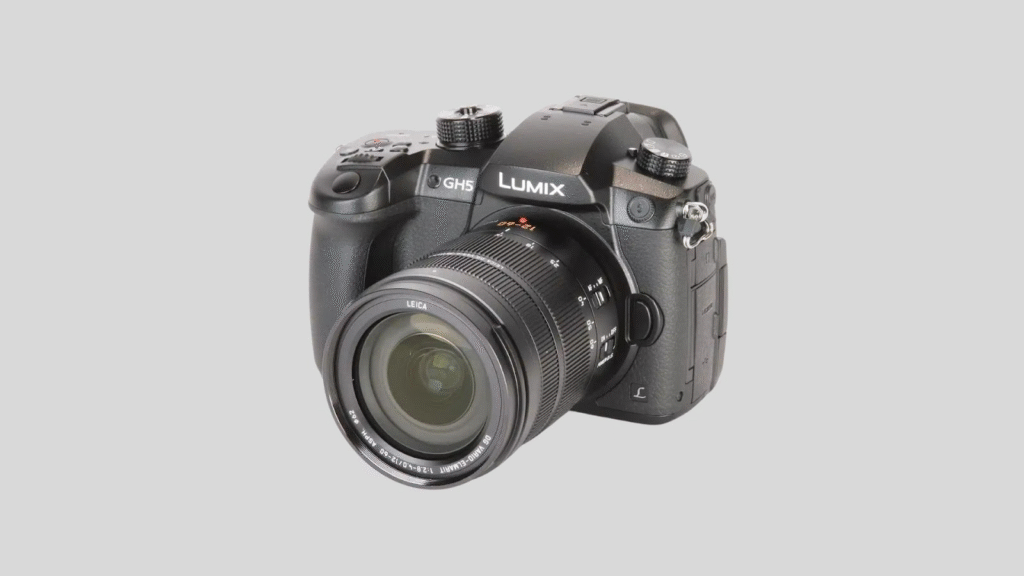
Panasonic Lumix GH5
For those on a budget, the Panasonic Lumix GH5 offers excellent value for money while still providing the features needed to shoot high-quality furniture photos. This mirrorless camera features a 20.3-megapixel Micro Four Thirds sensor, which, although not as high as some full-frame sensors, still delivers impressive detail and color accuracy.
The GH5 is also known for its incredible video capabilities, which can be beneficial if you want to create video content showcasing furniture products. Its in-body image stabilization ensures sharp images even when you’re moving around your subject. Although it may not be as high-res as other models, its performance in both stills and video makes it a solid choice for photographers working with furniture.
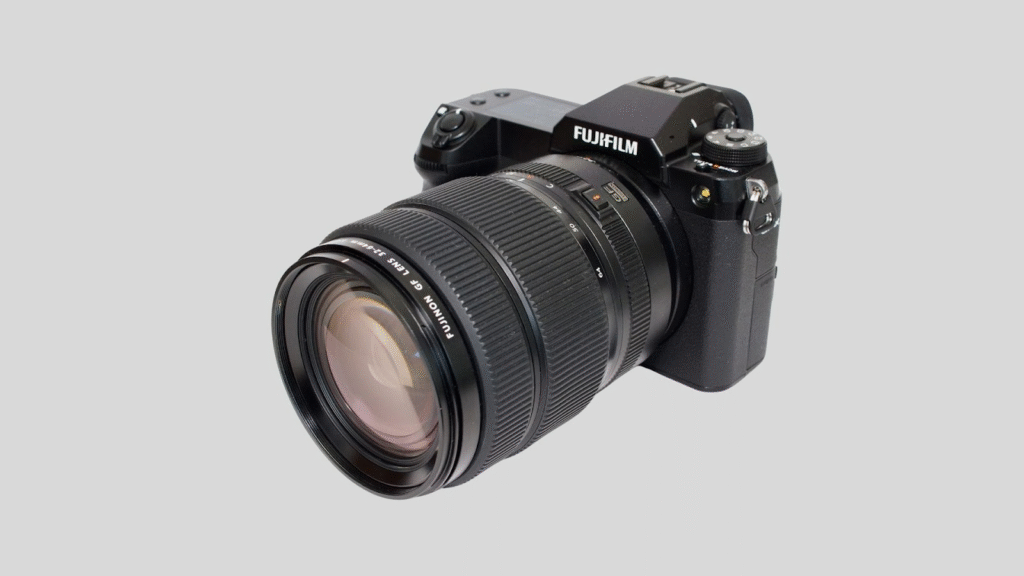
Fujifilm GFX 100S
For those looking for medium format quality in a more compact body, the Fujifilm GFX 100S is a top choice. Featuring a 102-megapixel sensor, this camera is perfect for photographers who demand the utmost resolution and detail. The GFX 100S excels in capturing even the most subtle textures and materials, making it one of the best cameras for furniture photography, particularly for high-end products where detail is paramount.
The camera’s color reproduction is outstanding, and it offers superb dynamic range, which helps maintain highlight and shadow details in your photos. Its large sensor also delivers a shallow depth of field, allowing you to blur backgrounds and isolate your subject, which is often desirable in product photography.

How to Choose the Best Camera for Furniture Photography
Choosing the best camera for furniture photography depends on several factors, including your budget, the type of furniture you are photographing, and the level of detail required. If you are photographing high-end or luxury furniture, you might prioritize resolution and color accuracy. For simpler, everyday furniture, a more budget-friendly option with good all-around performance may be sufficient.
One of the most important factors to consider is the resolution. Higher megapixels will allow you to capture the smallest details, such as fabric textures or intricate wood patterns. However, megapixels alone aren’t the only important consideration; you also need to think about the sensor size, lens options, and low-light performance. Cameras with full-frame sensors are ideal for capturing the kind of depth and detail needed for furniture photography.
The lens you pair with your camera is equally important. While most cameras come with a standard kit lens, investing in a lens specifically suited to furniture photography can significantly enhance your results. A macro lens will help you focus on fine details, while a wide-angle lens will be ideal for photographing larger furniture pieces in a room setting.
Conclusion
Selecting the best camera for furniture photography can be a daunting task, but with the right knowledge and understanding of the key features, you can make an informed decision. Whether you choose the high-resolution power of the Sony Alpha a7R IV or the versatility of the Canon EOS 5D Mark IV, investing in a camera that excels in image quality, color accuracy, and lens compatibility will pay off in the long run.
Remember, the best camera for furniture photography will not only depend on the technical specifications but also on your specific needs as a photographer. Consider factors such as resolution, low-light performance, and ease of use when making your purchase. With the right camera, you’ll be able to create stunning furniture photos that highlight the beauty and craftsmanship of each piece.